

Heat Pump Tune-Up in Roswell, GA
.webp)
Heat pump tune-up services in Roswell, GA help homeowners protect comfort and reduce energy costs by preventing midseason failures. This guide explains why seasonal maintenance matters in the local climate, common heat pump issues, and how professional diagnostics address performance gaps. It outlines a comprehensive tune-up checklist, from coil cleaning and refrigerant checks to airflow evaluation and thermostat calibration, and describes typical repairs and optimizations. Regular maintenance extends equipment life, improves reliability, and preserves efficiency in both heating and warm-season periods.
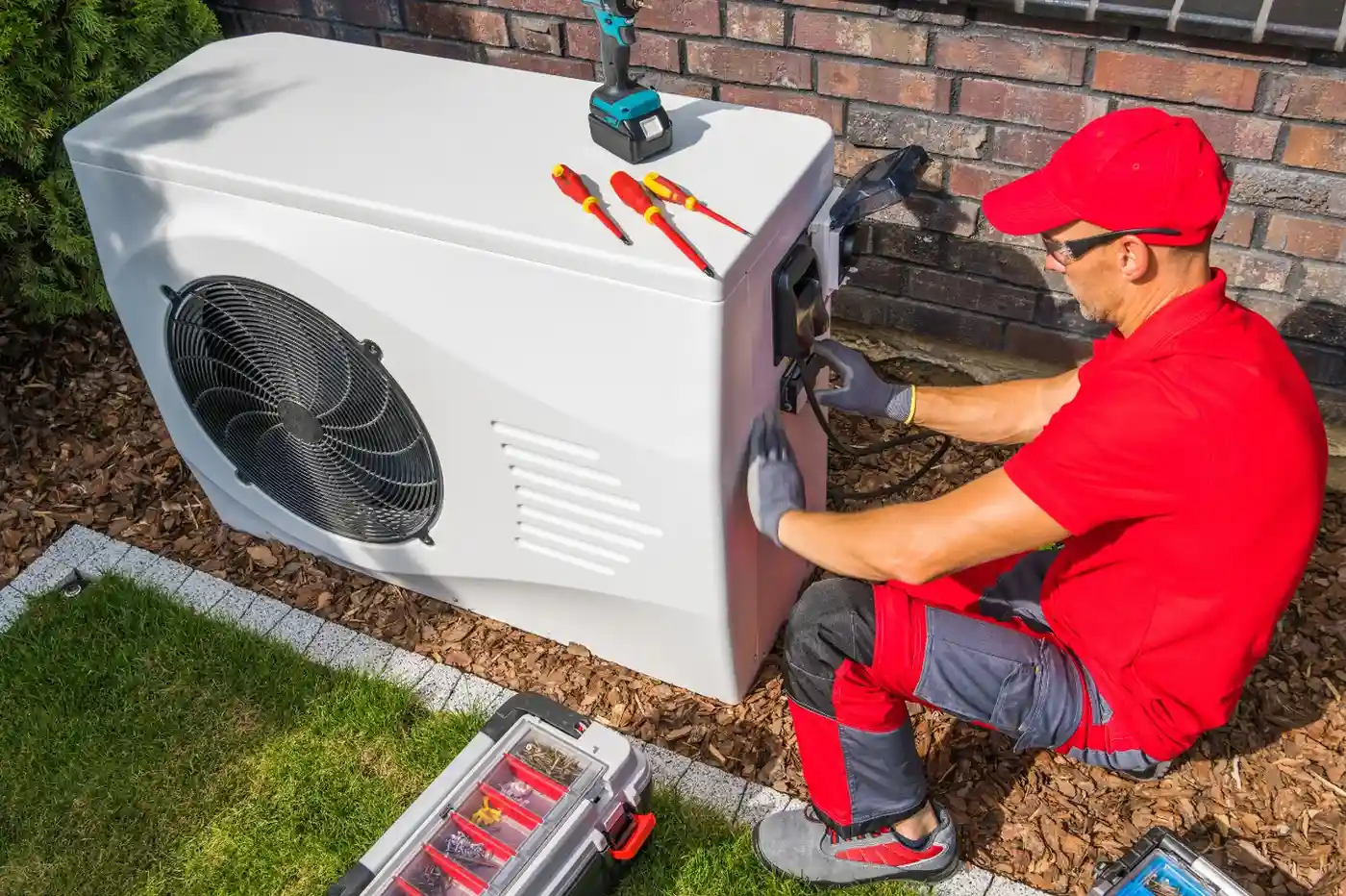
Heat Pump Tune-up in Roswell, GA
A seasonal heat pump tune-up in Roswell, GA protects comfort, reduces energy bills, and lowers the risk of midseason breakdowns. Roswell homes face hot, humid summers, heavy pollen seasons, and occasional winter cold snaps. Those local conditions make regular inspection and maintenance essential to keep a heat pump running efficiently and reliably year round. This page explains what a thorough tune-up covers, common heat pump issues in Roswell, how technicians diagnose performance problems, and the practical benefits of routine service.
Why a seasonal tune-up matters for Roswell homes
Heat pumps work hard in the Atlanta metro climate. High humidity and airborne debris can clog coils and filters, reducing airflow and forcing the system to run longer. On the cold side, defrost cycles can fail or run inefficiently during brief freezing periods. A seasonal tune-up addresses these local stressors so your heat pump operates safely, maintains capacity, and avoids higher utility costs.
Common heat pump issues in Roswell, GA
- Reduced cooling capacity during summer due to dirty coils and restricted airflow
- Higher electric bills from inefficient operation or incorrect refrigerant charge
- Short cycling caused by thermostat problems or electrical faults
- Weak heating during chilly nights because of a malfunctioning defrost cycle
- Indoor comfort complaints tied to duct leaks, poor airflow, or unbalanced zones
- Noisy operation from loose components, worn fan motors, or failing compressors
- Safety or reliability concerns from corroded electrical connections or failing capacitors
What a professional heat pump tune-up includes
A complete seasonal tune-up focuses on inspection, cleaning, verification, and optimization of all components that affect performance and reliability. Typical tune-up tasks include:
- Visual inspection of outdoor and indoor units for damage, debris, or corrosion
- Cleaning evaporator and condenser coils to restore heat transfer efficiency
- Checking and adjusting refrigerant levels to manufacturer specifications
- Inspecting and testing the defrost cycle for proper timing and operation
- Measuring airflow and inspecting filters and duct connections
- Evaluating ductwork for obvious leaks, disconnected joints, and insulation needs
- Testing electrical components: contactors, relays, capacitors, breakers, and wiring
- Verifying thermostat calibration and settings for optimal control
- Lubricating moving parts where applicable and tightening fasteners
- Recording baseline operating pressures, temperatures, and amp draws
Diagnostic process explained in simple terms
A tune-up is both preventive and diagnostic. Technicians start with a careful visual inspection to identify obvious issues such as debris under the outdoor coil or a sagging duct. They then take objective measurements to quantify system performance. Typical diagnostic steps:
- Measure supply and return temperatures to determine system capacity and delta T.
- Check refrigerant pressures and correlate with temperature readings to detect undercharge or overcharge.
- Test airflow using static pressure and filter inspection to locate restrictions.
- Evaluate electrical current on compressors and fan motors to identify failing components.
- Run a full heat and defrost cycle to confirm proper timing and heater operation in cold conditions.
- Inspect controls and thermostat communication for accurate setpoint response.
These measurements allow technicians to recommend targeted repairs versus unnecessary part replacements. Accurate diagnostics also help prioritize safety items, such as corroded electrical connections or imminent motor failure.
Typical repairs and performance optimization tasks
A tune-up often resolves small problems before they become large failures. Common repairs or optimizations performed during or after a tune-up include:
- Coil cleanings and condenser fin straightening to improve airflow and heat transfer
- Refrigerant leak detection and leak repair followed by proper recharge if a leak is found
- Replacing or cleaning air filters and advising on correct filter MERV ratings for the home
- Sealing accessible duct joints and insulating exposed ducts to reduce heat loss or gain
- Replacing failing capacitors, contactors, or worn fan motors to restore reliability
- Calibrating or replacing thermostats for consistent temperature control and schedule optimization
- Adjusting defrost controls or replacing sensors to prevent frost buildup and inefficient heating
- Balancing airflow to rooms with dampers or register adjustments to improve comfort
Heat pump tune-up checklist for Roswell, GA
A clear checklist helps confirm the tune-up was thorough. Items commonly checked and documented include:
- Outdoor unit cleared of leaves, grass, and pollen buildup
- Coils cleaned and fins inspected for damage
- Refrigerant charge checked and pressures recorded
- Compressor and fan amp draws measured and logged
- Defrost cycle tested and sensor function verified
- Air filters inspected, cleaned, or replaced
- Ductwork visually inspected for leaks and insulation issues
- Thermostat calibration and programming verified
- Contacts, capacitors, and wiring inspected for corrosion or wear
- Condensate drain and pan checked for clearance and proper slope
- System run in both heating and cooling modes to confirm normal operation
- A summary of findings and recommended repairs or upgrades provided
Benefits of regular heat pump maintenance in Roswell
- Improved energy efficiency and lower monthly electric bills, especially during humid summers
- More consistent indoor comfort with balanced airflow and accurate thermostat control
- Extended equipment life by preventing excessive wear on compressors and motors
- Fewer unexpected breakdowns during peak weather when repairs can be costly and inconvenient
- Safer operation by identifying and correcting electrical hazards or refrigerant leaks
- Preserved manufacturer warranty coverage when scheduled maintenance is documented
Maintenance tips specific to Roswell homeowners
- Keep outdoor unit clear of yard debris, leaves, and grass clippings, especially during spring pollen season.
- Replace or clean filters every 1 to 3 months during heavy use months to preserve airflow.
- Schedule tune-ups before peak seasons: late spring ahead of summer cooling and early fall ahead of winter heating.
- Ask for refrigerant pressure and efficiency readings to track long term performance and spot slow-developing leaks.
- Consider duct sealing and insulation if you have older homes in Roswell with attic or crawlspace ducts.
A properly performed heat pump tune-up tailored to Roswell, GA conditions reduces operating costs, improves comfort, and increases system reliability. Regular seasonal service makes winter warmups and summer cooling more predictable, protecting your home and your budget.
Customer
Testimonials


Service Areas