

Plumbing Replacement in Alpharetta, GA
.webp)
This page guides Alpharetta homeowners through evaluating plumbing replacement versus repair, outlining material options, expected timelines, disposal practices, and warranty protections. It covers common replacement needs - from water heaters and whole-house repipes to sewer line work and fixture upgrades - plus factors like local codes, climate, and tree roots. A structured process explains inspection, diagnostics, material selection, permits, and step-by-step execution, with emphasis on reliability, efficiency, and long-term value for North Georgia homes. It emphasizes clear expectations, budgeting, and professional installation.
Plumbing Replacement in Alpharetta, GA
Replacing aging or failing plumbing components is one of the most effective investments you can make in your Alpharetta home. Whether you are dealing with frequent leaks, rusty water, a water heater that can no longer keep up with household demand, or a sewer line compromised by tree roots, timely replacement restores reliability, improves efficiency, and prevents costly secondary damage to floors and foundations. This page explains how to evaluate replacement versus repair, the material choices suited for North Georgia homes, expected timelines and costs, removal and disposal practices, and typical warranty and performance protections.
Common plumbing replacement needs in Alpharetta homes
- Water heater replacement - tank and tankless units worn out from hard water and sediment buildup
- Whole-house repipe - replacing old copper, galvanized, or failing connections with PEX or new copper
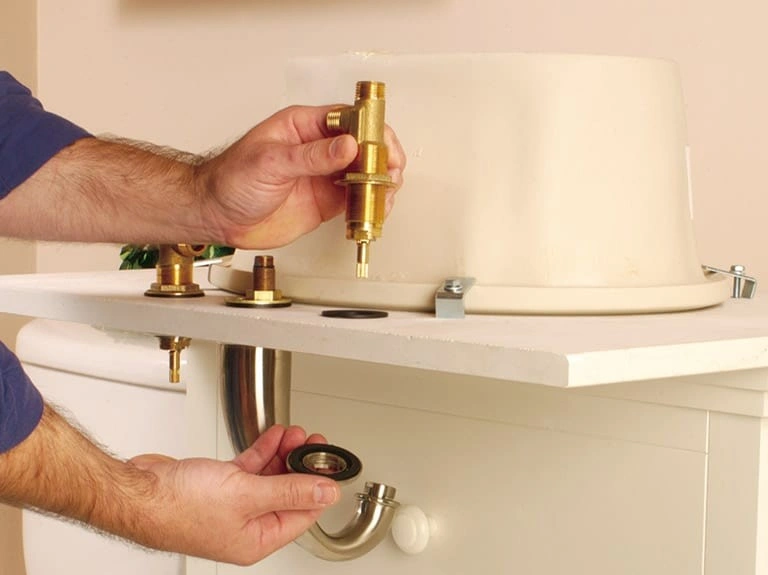
- Fixture replacement - sinks, tubs, toilets, and valves that leak, corrode, or fail modern efficiency standards
- Sewer line replacement - clay tile, cast iron, or broken PVC lines affected by tree roots, settling, or root intrusion
- Partial piping upgrades - kitchen or bathroom branch lines, main shutoff upgrades, and sewer lateral repairs
Alpharetta’s humid climate, seasonal temperature swings, and abundant mature trees increase the likelihood of mineral buildup, corrosion, and root intrusion. Many neighborhoods developed in the 1980s and 1990s still have original piping that is approaching the end of its useful life.
How to decide replacement versus repair
Replacement becomes the smarter option when the cost and frequency of repairs, or the risk of failure, outweigh the short-term savings of a patch fix. Look for these indicators:
- Component age beyond typical lifespan (water heaters over 10-15 years, galvanized pipes 40-60 years depending on condition)
- Recurrent leaks in different locations or repeated repairs on the same system
- Discolored or metallic-tasting water, indicating internal corrosion
- Low water pressure throughout the house, not just at a single fixture
- Frequent sewer backups, slow drains, or visible root intrusion
- Significant sediment or rumbling noises from water heaters
A structured assessment - including visual inspections, pressure testing, water quality sampling, and sewer camera inspections - helps determine whether targeted repair or a full replacement is the long-term solution.
Material options and benefits
- PEX repiping
- Flexible tubing that reduces fittings and leak points
- Faster installation and less invasive to walls and cabinetry
- Good resistance to corrosion and mineral buildup common in Alpharetta’s water
- Thermal flexibility reduces risk from freeze-thaw stress compared to rigid piping
- Copper repiping
- Proven longevity and high-temperature tolerance
- Good for exposed installations and meets some local code preferences
- Susceptible to corrosion in highly acidic or mineral-rich water over time
- PVC/HDPE and modern sewer-grade materials
- Durable options for sewer lines with good resistance to roots when properly bedded
- Trenchless solutions often use HDPE for long, flexible runs
- Water heaters
- Conventional tank units: simpler and often less expensive to replace
- Tankless units: higher efficiency and longer lifespans in many applications
- Material and design choices should account for local water hardness and sediment
Choosing the right material depends on budget, house layout, code requirements, and future plans for remodels. PEX is frequently recommended for whole-house repipes in Alpharetta due to speed, lower invasive work, and good performance with common water conditions.
Typical diagnostic and replacement process
- Initial inspection and assessment - check age, visible corrosion, pressure, water quality, and history of repairs
- Targeted diagnostics - leak detection, pressure tests, sewer camera inspection where applicable
- Material recommendation and scope definition - single fixture, partial repipe, full repipe, or sewer lateral replacement
- Permit and code review - confirm Fulton County and city of Alpharetta permit requirements
- Replacement work - remove old components, install new piping or units, tie into existing systems
- Testing and inspection - pressure testing, gas checks for water heaters, sewer flow verification
- Cleanup, removal, and disposal - responsible disposal and recycling where possible
Expected project timelines
- Water heater replacement: typically a few hours to one day including testing
- Fixture replacement (toilets, sinks, faucets): a few hours per fixture
- Partial repipe (single bathroom or kitchen branch): several hours to one day
- Whole-house repipe: commonly 1-3 days depending on home size and accessibility
- Sewer line replacement: 1-3 days for conventional dig, or similar for trenchless techniques; complexity and root intrusion can extend timelines
Timelines can vary based on home size, accessibility, any required structural work, and permit inspection schedules in Alpharetta.
Cost considerations and financing options
Replacement costs depend on scope, materials, labor, and permit fees. Typical variables:
- Material choice (PEX generally less expensive than copper)
- Accessibility of piping and fixtures
- Type of water heater or fixture being installed
- Whether sewer work uses trenchless methods or open excavationMany homeowners use financing options to spread the cost of larger projects. Common financing paths include home improvement loans, home equity lines, and third-party financing programs that work with licensed contractors. Review terms carefully for interest rates, repayment periods, and what is covered by the financing.
Removal, disposal, and environmental considerations
Old plumbing materials are removed and handled according to local regulations. Copper and other metals are often recycled, while certain fixtures and asbestos-containing materials (rare but possible in older homes) require special handling and disposal. Sewer excavations should follow erosion control and restoration practices to protect Alpharetta yards and drainage. Proper disposal minimizes environmental impact and ensures compliance with city and county waste regulations.
Warranty and performance guarantees
Replacement projects typically include two layers of protection:
- Manufacturer warranties on water heaters, piping, and fixtures that cover defects in materials for specified periods
- Workmanship guarantees from the installer that cover labor and installation-related failures for a defined timeVerify the duration and coverage of both types of warranties before starting a project. Ensure any required permits and inspections are completed, as warranty coverage may depend on code-compliant installation and documented inspections.
Maintenance tips to extend system life
- Flush water heaters periodically to reduce sediment and maintain efficiency
- Install or maintain a water softener if high hardness is documented
- Monitor for slow drains or sewer odors as early signs of line issues
- Insulate exposed pipes to reduce freeze risk during cold snaps
- Schedule periodic inspections of older plumbing and sewer laterals, especially in tree-lined yards
Replacing failing plumbing systems is a strategic, long-term investment in comfort, safety, and property value. In Alpharetta, where mature trees, seasonal temperature swings, and hard water often accelerate wear, proactive replacement with the right materials and proper permitting can prevent emergencies and improve system performance for years.
Customer
Testimonials


Service Areas