

Mini Split Repair in Alpharetta, GA
.webp)
Common Mini Split issues in Alpharetta, GA are addressed through a structured diagnostic approach, detailing typical repairs and parts replacement. The process includes warranty coordination, documentation, and how coverage eligibility is determined. Timelines and costs vary based on severity, parts availability, and season, with guidance for emergency or same-day service. Preventive recommendations help homeowners maintain their systems, while timely repairs improve comfort, energy efficiency, and extend equipment life in Alpharetta’s climate. This overview equips homeowners to plan service and understand the value of professional repair.
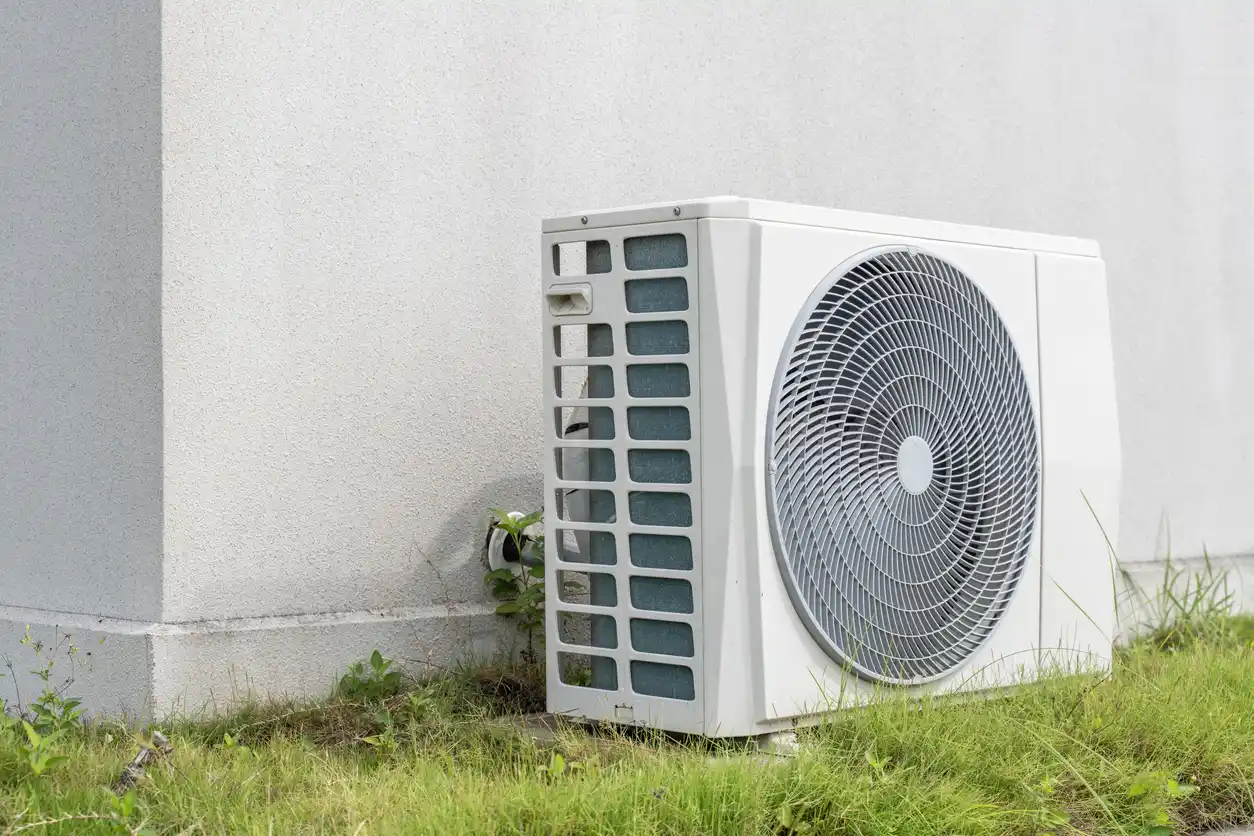
Mini Split Repair in Alpharetta, GA
Ductless Mini Split systems are a popular choice in Alpharetta, GA because they deliver efficient zoned cooling and heating without ductwork. When a Mini Split stops cooling, makes unusual noises, or shows fault codes, it affects comfort immediately — especially during Alpharetta’s hot, humid summers. This page outlines common Mini Split problems in Alpharetta homes, step-by-step diagnostics, common repairs and parts replacement, how warranty coordination typically works, realistic timelines and cost ranges, and what homeowners should expect for emergency or same-day repairs.
Common Mini Split issues in Alpharetta and why they happen
Alpharetta’s climate and local conditions contribute to several recurring problems:
- Loss of cooling or weak airflow
Causes: dirty filters, clogged condensate drains, frozen evaporator coils, low refrigerant. In humid conditions, coils can ice and reduce capacity. - Refrigerant leaks
Causes: corrosion of line sets, mechanical damage, or factory defects. Higher humidity accelerates corrosion on exposed fittings. - Compressor or outdoor fan failures
Causes: storm damage, power surges during summer thunderstorms, motor wear, or refrigerant-related overloads. Outdoor location and pollen/debris buildup increase stress. - Control, thermostat, or communication errors
Causes: faulty indoor control boards, poor remote links, wiring issues, or failed thermostats. Smart controls can fail after power interruptions. - Unusual noises, vibration, or odor
Causes: loose panels, worn fan bearings, failing compressors, or microbial growth in condensate trays from high humidity. - Condensate leaks and drainage problems
Causes: blocked drain lines, improper condensate pump operation, or poor installation slope.
First-response diagnostic procedure (step-by-step)
When diagnosing a ductless Mini Split, technicians follow a structured approach so the root cause is identified efficiently:
- Initial symptom intake
Gather the model number, age, symptoms, recent events (storms, power outages), and whether the issue is intermittent or constant. - Visual and operational inspection
Check outdoor and indoor units for obvious damage, debris, blocked airflow, and correct power supply. Confirm error codes on indoor display or remote. - Airflow and filter check
Inspect and test airflow from the indoor head, examine filters and coil condition. Replace or clean filters if needed. - Electrical diagnostics
Test line voltages, control voltages, wiring terminals, and capacitors. Look for signs of overheating or failed relays. - Refrigeration system check
Measure system pressures, compare to manufacturer specs, and inspect for signs of leaks (oil stains, corrosion). Refrigerant handling is performed only by certified technicians. - Component testing
Test fans, compressors, reversing valves, and control boards. Temporarily bypass or isolate components when safe to confirm failures. - Report and estimate
Provide a written diagnosis with recommended repairs, parts needed, approximate labor hours, and warranty implications.
Typical repairs and parts replacement
Common replacement parts and repairs for Mini Splits include:
- Filter and coil cleaning — Routine but effective; restores capacity and improves indoor air quality.
- Refrigerant leak repair and recharge — Locate and repair leak, replace damaged line sets or fittings, and recharge to spec (handled under EPA refrigerant rules).
- Compressor replacement — Major repair; often involves outdoor unit replacement or a sealed compressor swap if available for the model.
- Outdoor or indoor fan motor replacement — Straightforward mechanical replacement for failed motors or bearings.
- Control board, PCB, or remote receiver replacement — Resolves communication and error-code issues.
- Capacitor or contactor replacement — Common electrical fixes that restore starting and running reliability.
- Condensate pump or drain line repair — Addresses leaks and overflow risks in humid conditions.
Safety note: refrigerant work and compressor service require certified technicians and may be restricted by manufacturer warranty terms.
Warranty coordination and documentation
Mini Split repairs often interact with manufacturer or installer warranties. Expect this process:
- Verify warranty status — Technician will request model and serial numbers and production dates to confirm coverage.
- Document failures — Photographs, diagnostic readings, and system logs help substantiate claims.
- OEM parts and authorized service — Some warranties require OEM parts or factory-authorized service to remain valid.
- Claim processing — If a part is covered, the technician documents the failure and submits required forms. Approval times vary by manufacturer; parts shipping times depend on availability and model age.
- Labor coverage — Warranties typically cover parts but not always labor; check the original warranty terms for specifics.
Expected repair timelines and cost estimates
Timelines and costs vary by severity, parts availability, and season (Alpharetta’s summer demand can extend lead times). Typical ranges:
- Minor service and cleaning: 1–3 hours; commonly low cost (routine service fees and parts).
- Electrical or control board repairs: 2–6 hours; parts and labor combined can range from modest to mid-range depending on board cost.
- Refrigerant leak repair and recharge: same-day to 1–3 days depending on leak location; pricing varies with refrigerant type and pounds required.
- Compressor or outdoor unit replacement: 1–3 days (ordering and scheduling included); this is more extensive and typically higher cost due to parts and refrigerant recovery/recharge.
- Complex multi-zone fixes: multiple visits may be needed if parts are special-order; factor in additional diagnostic follow-up.
These are general ranges. Actual timelines depend on part lead times, system age, and whether warranty parts are supplied by a manufacturer.
Emergency and same-day repair considerations
Emergency or same-day Mini Split service in Alpharetta is focused on safety and rapid comfort restoration:
- Triage over the phone: technicians prioritize issues that create health or safety risks (complete loss of cooling during heat advisories, leaking gas or severe electrical faults).
- What technicians typically need before arrival: system model, brief symptom description, access instructions, and any recent events (power outage, storm damage).
- On-site triage: a quick diagnostic to stabilize the system — clear drains, replace filters, isolate electrical faults, or provide temporary cooling workarounds.
- Parts availability: same-day fixes often rely on common replacement parts; major components may require next-day or longer if special order.
- Emergency costs and labor: after-hours or rush scheduling can carry higher labor rates and expedited parts fees; expect transparent estimates before proceeding when possible.
Preventive steps for Alpharetta homeowners
Simple maintenance reduces repair frequency and cost:
- Clean or replace filters every 1–3 months during peak use.
- Keep outdoor units free of leaves, pollen, and debris; trim plants to maintain airflow.
- Schedule a preseason HVAC check in spring to ensure peak summer performance.
- Protect outdoor units during severe storms and install surge protection for sensitive electronics.
- Monitor performance for subtle changes in noise, airflow, or efficiency and address them early.
Why timely repairs matter
Prompt Mini Split repair restores comfort quickly, reduces energy waste, prevents secondary damage (like mold from condensate overflow), and can extend system life. In Alpharetta’s humid summers, timely attention to refrigerant issues, drainage, and airflow is particularly important to maintain reliable cooling and indoor air quality.
This page gives a clear view of what to expect from professional Mini Split repair in Alpharetta, GA: common faults tied to local conditions, systematic diagnostics, typical repairs and parts, how warranties are handled, realistic timelines and cost considerations, and emergency response procedures so homeowners understand the repair process from first contact through resolution.
Customer
Testimonials


Service Areas