

Heat Pump Installation in Alpharetta, GA
.webp)
Heat pump installation in Alpharetta, GA involves a detailed, end-to-end process designed to ensure optimal performance, efficiency, and long-term reliability. Each project begins with a professional site assessment and Manual J load calculation to determine the correct system size and configuration. Homeowners can choose from air-source, ducted, or ductless mini-split systems, with guidance on comparing SEER2 and HSPF2 ratings for energy efficiency. The installation process includes safe removal of existing equipment, preparation of ductwork and electrical connections, precise placement of indoor and outdoor units, refrigerant charging, and thermostat setup. Final commissioning ensures peak operation, followed by an overview of available rebates, warranties, and ongoing maintenance recommendations to protect your investment and maintain year-round comfort.
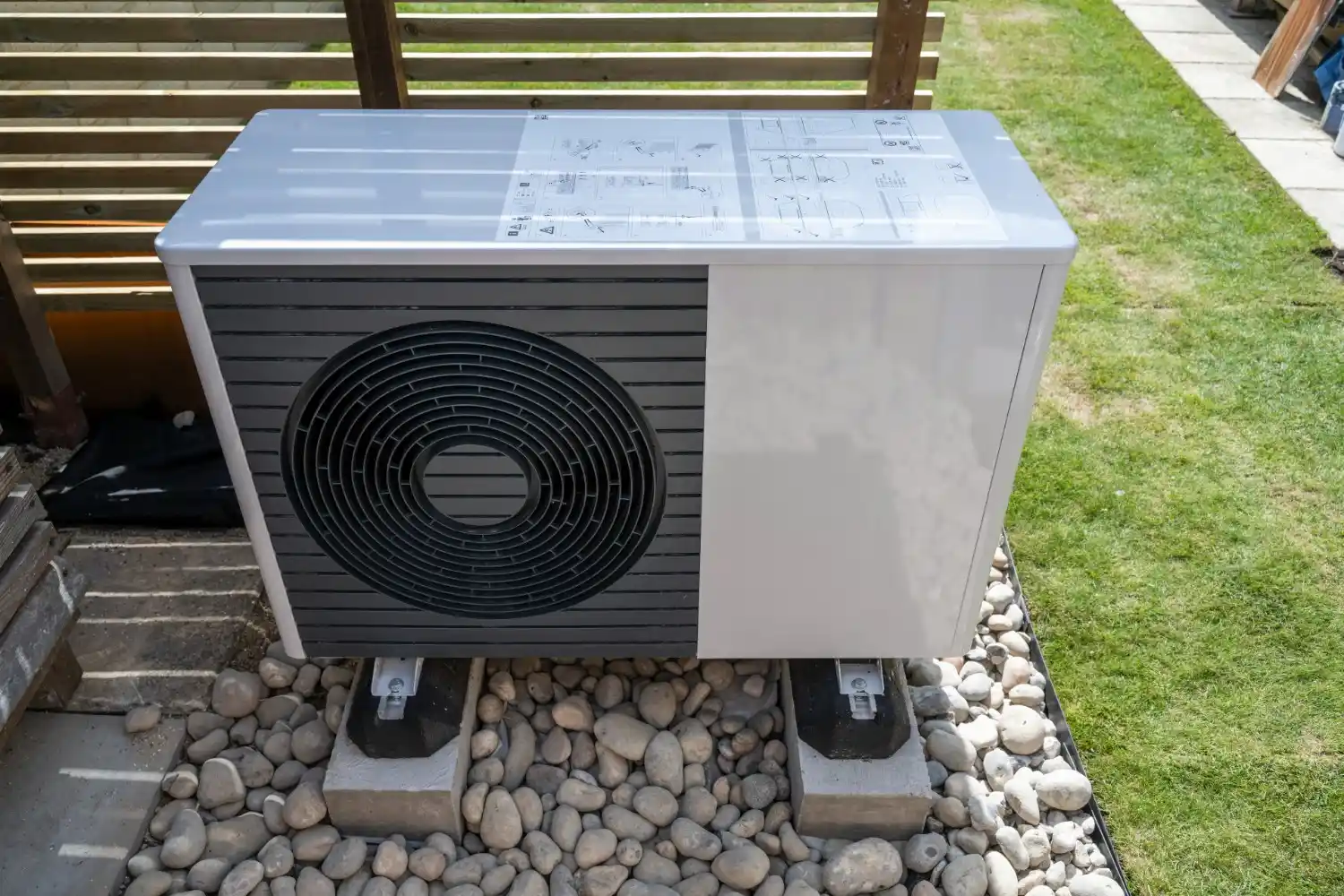
Heat Pump Installation in Alpharetta, GA
Choosing the right heat pump and installing it correctly is one of the most effective ways to improve year-round comfort and efficiency in Alpharetta, GA homes. With hot, humid summers and mild winters, a properly sized and commissioned heat pump delivers reliable cooling, controlled humidity, and efficient heating during cooler months. This page explains the full installation process—from site assessment and load calculations to commissioning, permits, warranties, rebates, and a customer preparation checklist—so you know what to expect and how to evaluate options for Heat Pump Installation in Alpharetta, GA.
Why a heat pump makes sense in Alpharetta
Alpharetta’s climate favors modern heat pump technology: air-source and ducted mini-split systems perform efficiently through long cooling seasons, and many newer models offer strong dehumidification and high efficiency at moderate winter temperatures. A correctly installed system can reduce energy use compared with older electric resistance heating or inefficient split systems, while delivering better indoor humidity control during summer.
Common heat pump issues in Alpharetta homes
- Undersized equipment that runs continuously without reaching setpoint, often due to inaccurate load calculations.
- Poor airflow from clogged filters, undersized ducts, or blower misconfiguration.
- Refrigerant leaks leading to lost capacity and higher energy use.
- Inadequate humidity control for the hot, humid months if the system lacks proper staging or compatible thermostat control.
- Improper defrost performance in colder spells causing ice buildup and inefficient heating.
- Mismatch between indoor and outdoor components affecting warranty coverage and performance.
Understanding these common problems helps prioritize correct assessment and installation steps.
Site assessment and load calculations
A professional installation begins with a thorough site assessment tailored to Alpharetta homes:
- Inspect building orientation, insulation levels, window types, and attic ventilation.
- Evaluate existing ductwork for leaks, insulation, and sizing; many older homes need duct sealing or upgrades.
- Perform Manual J load calculations to determine precise heating and cooling loads. This avoids oversizing or undersizing, both common causes of poor performance.
- Check electrical service capacity and panel space for the new unit.
- Assess outdoor unit placement for airflow, shading, and clearance from landscaping typical in Alpharetta yards.
Accurate load calculations and a complete site survey are essential for long-term comfort and efficiency.
Equipment selection: models and efficiency ratings
Selecting the right equipment balances capacity, efficiency, and features:
- Choose between air-source heat pumps, ducted mini-splits, and ductless mini-splits based on home layout and existing ductwork.
- Look for high efficiency ratings: SEER2 (seasonal energy efficiency ratio) for cooling and HSPF2 (heating seasonal performance factor) for heating. Higher numbers mean better efficiency.
- Consider variable-speed compressors and multi-stage systems for improved humidity control and quieter operation—useful in Alpharetta’s long cooling season.
- Ensure matched components (indoor coil and outdoor unit) for warranty compliance.
- Evaluate refrigerant type; modern, lower-global-warming-potential refrigerants are common in newer models.
Step-by-step installation workflow
- Finalize equipment selection and confirm parts, accessory needs, and permits.
- Prepare the site: level concrete pad or bracket, ensure clear airflow, and verify electrical upgrades.
- Remove old equipment if present, and inspect/repair ductwork or insulate new ducts as needed.
- Install outdoor unit and indoor air handler or evaporator coil; run refrigerant lines and electrical conduit.
- Evacuate the refrigerant lines, pressure-test for leaks, and charge refrigerant per manufacturer specifications.
- Connect thermostat and controls, configure staging and any smart controls for humidity management.
- Startup and commissioning checks (detailed below).
- Clean up the work area and provide system documentation and operating guidance.
Typical timelines: simple replacements often complete in 1-2 days; installations requiring duct upgrades, electrical work, or permit turnaround can take several days to a couple of weeks. Permit processing from the City of Alpharetta or Fulton County may affect scheduling.
Permitting and safety considerations
Permits are commonly required for heat pump installations in Alpharetta. Permits ensure installations comply with local building, electrical, and mechanical codes, and help protect warranty coverage. Safety measures include:
- Following electrical code for disconnects, circuit sizing, and grounding.
- Proper refrigerant handling and certification for technicians.
- Adhering to clearances and structural anchoring for outdoor units to avoid water pooling or blockage.
- Verifying combustion safety if replacing systems in homes with gas appliances or combining systems.
Requests for permit approvals can add time; factor this into your project schedule.
Commissioning and warranty procedures
Commissioning is the final step to ensure reliable operation:
- Verify refrigerant charge, superheat/subcooling, and compressor amp draw.
- Measure airflow and static pressure across the coil and adjust blower speed if needed.
- Test defrost cycles, thermostat calibration, and emergency heat operation.
- Program schedules and humidity setpoints and demonstrate controls with the homeowner.
Document all commissioning readings and provide manufacturer warranty information plus any installer labor warranty. Confirm warranty registration requirements are completed to preserve coverage.
Rebate and financing guidance
Alpharetta homeowners may qualify for utility rebates, state incentives, or federal tax credits for installing high-efficiency heat pumps. Financing options typically include HVAC financing plans or home improvement loans. When evaluating rebates and financing:
- Compare models against rebate program efficiency thresholds.
- Confirm eligibility requirements and timelines before purchase.
- Review financing terms and match payment options to expected energy savings.
Check local utility programs and state energy incentives early to maximize available benefits.
Customer preparation checklist
- Clear a 3-5 foot working area around the existing indoor unit and outdoor pad location.
- Trim landscaping and remove obstacles where the outdoor unit will be placed.
- Ensure access to the attic, crawlspace, and electrical panel if upgrades may be required.
- Make arrangements for pets and inform installers of any sensitive items or areas.
- Gather existing warranty or equipment records if available.
Long-term benefits and maintenance advice
A properly installed heat pump delivers consistent comfort, better humidity control, quieter operation, and improved energy efficiency in Alpharetta homes. To protect performance:
- Change filters regularly and follow the manufacturer’s maintenance schedule.
- Schedule annual or biannual tune-ups before peak cooling and heating seasons.
- Keep outdoor coils clean and maintain proper condensate drainage to prevent mold and corrosion.
Timely installation, accurate sizing, and professional commissioning are the foundations of a dependable heat pump system that performs well in Alpharetta’s climate and provides lasting value.
Customer
Testimonials


Service Areas