
Air Conditioning Replacement in Alpharetta, GA
.webp)
Air conditioner replacement in Alpharetta, GA covers when upgrading an aging system is recommended and the benefits of switching to a more efficient unit. It includes options for all brands, proper sizing, refrigerant considerations, and a typical one-day installation timeline. The process is detailed step by step—from load calculations and system selection to removal, installation, and testing. Post-install care tips are also provided, emphasizing timely upgrades to enhance comfort, reduce energy costs, and improve indoor air quality.
Air Conditioning Replacement in Alpharetta, GA
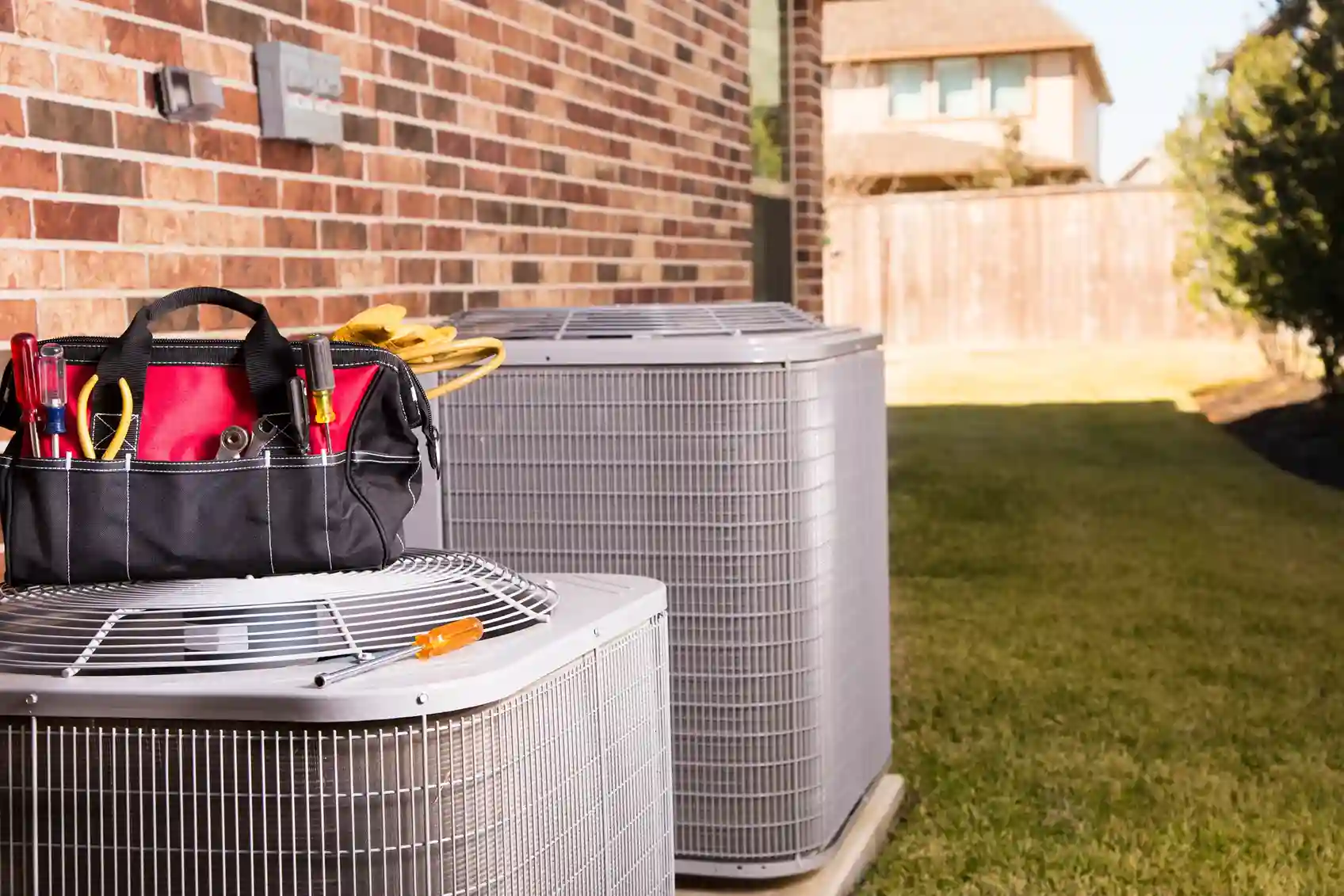
Replacing an aging or failing air conditioner is one of the most effective ways to restore consistent comfort and reduce energy costs for homes in Alpharetta, GA. With hot, humid summers and frequent high cooling loads, an inefficient or undersized AC can lead to high utility bills, uneven temperatures, and moisture problems that affect indoor air quality. This page explains when replacement is justified, the benefits of upgrading, the replacement options available for all brands and models, and a clear walkthrough of the installation process — including 24/7 availability for urgent needs in the Alpharetta area.
When to consider AC replacement in Alpharetta, GA
If your system is struggling during Alpharetta’s long cooling season, these are the most common signals that replacement is the sensible next step:
- Age of the unit: Most conventional central AC systems last 10 to 15 years. Performance and efficiency drop significantly after that point.
- Rising energy bills: A steady increase in cooling costs despite normal usage usually indicates reduced efficiency.
- Frequent breakdowns: Repeated repairs become more costly than replacement when parts, labor, and downtime add up.
- Poor or uneven cooling: Inadequate capacity, failing components, or duct issues cause hot spots and humidity buildup.
- Use of R22 refrigerant: Older units that rely on R22 (freon) are expensive to recharge and may be better replaced due to phaseout and cost of service.
- Excessive noise or visible wear: Grinding, rattling, and visible corrosion are signs of imminent failure.
- High humidity indoors: When an AC can no longer dehumidify effectively, it affects comfort and may promote mold growth in our humid Georgia climate.
Benefits of upgrading your AC now
Replacing a failing AC delivers immediate and long-term benefits tailored to local needs:
- Lower energy costs: Modern units with higher SEER ratings can cut cooling bills substantially during Alpharetta’s long cooling season.
- Improved comfort: Better capacity matching and advanced compressors deliver steadier temperatures and improved humidity control.
- Quieter operation: Newer equipment runs quieter and reduces vibration and noise inside the home.
- Better indoor air quality: Matched systems and improved filtration reduce dust, pollen, and allergens — useful in spring and summer when tree pollen is high.
- Reliability during heat waves: A properly sized, newer system reduces the risk of mid-summer failures.
- Environmental advantages: New refrigerants and higher efficiency reduce greenhouse gas impact.
- Increased home value: A new HVAC system is an attractive selling point for local buyers.
Replacement options for all brands and models
Alpharetta homeowners have several replacement paths depending on home layout, existing equipment, and comfort goals:
- Central split systems (most common): Replace both outdoor condenser and indoor coil/furnace components for a fully matched system and maximum efficiency.
- Condenser-only replacement: If the indoor coil and air handler are newer and compatible, replacing the outdoor unit alone can be an option.
- Heat pumps: Ideal for moderate climates like Alpharetta, a heat pump provides both heating and cooling with high efficiency.
- Ductless mini split systems: Best for additions, rooms without ductwork, or zone control; these provide targeted comfort and strong humidity control.
- Packaged units: For homes with rooftop or single-package installations.
- Variable-speed and two-stage compressors: Offer better humidity control and efficiency by modulating capacity instead of cycling on and off.
- High-SEER systems and smart controls: Combine modern equipment with smart thermostats and zoning for energy savings and personalized comfort.
All major brands and models can be accommodated. Important choices include correct sizing (Manual J load calculation), sealed and matched coils, and proper refrigerant selection (new systems use R410A or newer alternatives). For units still using R22, conversion is possible but often not cost effective; full replacement is commonly recommended.
The replacement and installation process
A professional replacement follows a repeatable process to ensure performance, safety, and longevity:
- Onsite assessment and load calculation
- Conduct a Manual J load calculation to determine correct system capacity based on home size, insulation, windows, and Alpharetta climate factors.
- Inspect ductwork, electrical panel, and airflow to identify pre-install needs.
- System selection and planning
- Choose system type, efficiency level, and compatible indoor components.
- Verify permits and local code requirements.
- Removal of the old unit
- Recover refrigerant safely per regulations.
- Disconnect and remove outdoor condenser, indoor coil, and old duct connections as needed.
- Protect landscaping and interior during removal.
- Installation
- Set the new condenser on a level pad or platform.
- Install or match the indoor coil and blower; secure refrigerant lines and electrical connections.
- Seal and test duct connections to optimize airflow and efficiency.
- Charging, startup, and testing
- Evacuate and charge the refrigerant circuit to manufacturer specs.
- Start-up procedures: verify amperage, temperature splits, static pressures, and thermostat communication.
- Demonstrate system operation and maintenance basics to the homeowner.
- Final inspections and documentation
- Complete any required permits or inspection sign-offs.
- Provide warranty registration and documentation for equipment.
Typical replacement for a standard central system can often be completed in one day, though complex jobs (duct modifications, coil replacement, or permits) may take longer. Work area protection and cleanup are standard to minimize disruption.
Post-replacement care and common follow-ups
After installation expect a brief system break-in while components settle. To maximize life and performance:
- Replace filters monthly or per manufacturer guidance.
- Schedule annual maintenance visits before summer to verify refrigerant levels and clean coils.
- Keep outdoor unit free from debris, leaves, and overgrown plants; consider shade that does not obstruct airflow.
- Check condensate drains and drip pans to avoid clogs and water damage.
- Use programmable or smart thermostats to reduce runtime and improve comfort during peak humidity.
- Monitor for unusual noises, odors, or leaks and address them promptly.
Why timely replacement matters in Alpharetta
Delaying replacement during Alpharetta’s intense cooling months risks system failure at peak demand, leading to discomfort, potential humidity-related property issues, and emergency service needs. Upgrading to a modern, properly sized system improves resilience during extended heat spells, lowers operating costs across the long cooling season, and supports healthier indoor air when pollen and humidity are high.
Upgrading your air conditioning system is an investment in comfort, efficiency, and peace of mind. With options for every home type and 24/7 availability for urgent situations in Alpharetta, a planned replacement minimizes disruption and provides reliable cooling when you need it most.
Customer
Testimonials


Service Areas