
Plumbing Repair in Alpharetta, GA
.webp)
Plumbing repair in Alpharetta, GA is addressed through a comprehensive service page that outlines diagnostics, troubleshooting, emergency response, parts, transparent pricing, and warranty expectations tailored to local homes. The guide explains common issues such as leaks, fixture failures, water heater problems, and sewer back ups, along with a step-by-step repair process from inspection to testing and cleanup. It emphasizes code compliance, same-day emergency options, and preventative tips to protect plumbing systems and property value. Trustworthy service is highlighted.
Plumbing Repair in Alpharetta, GA
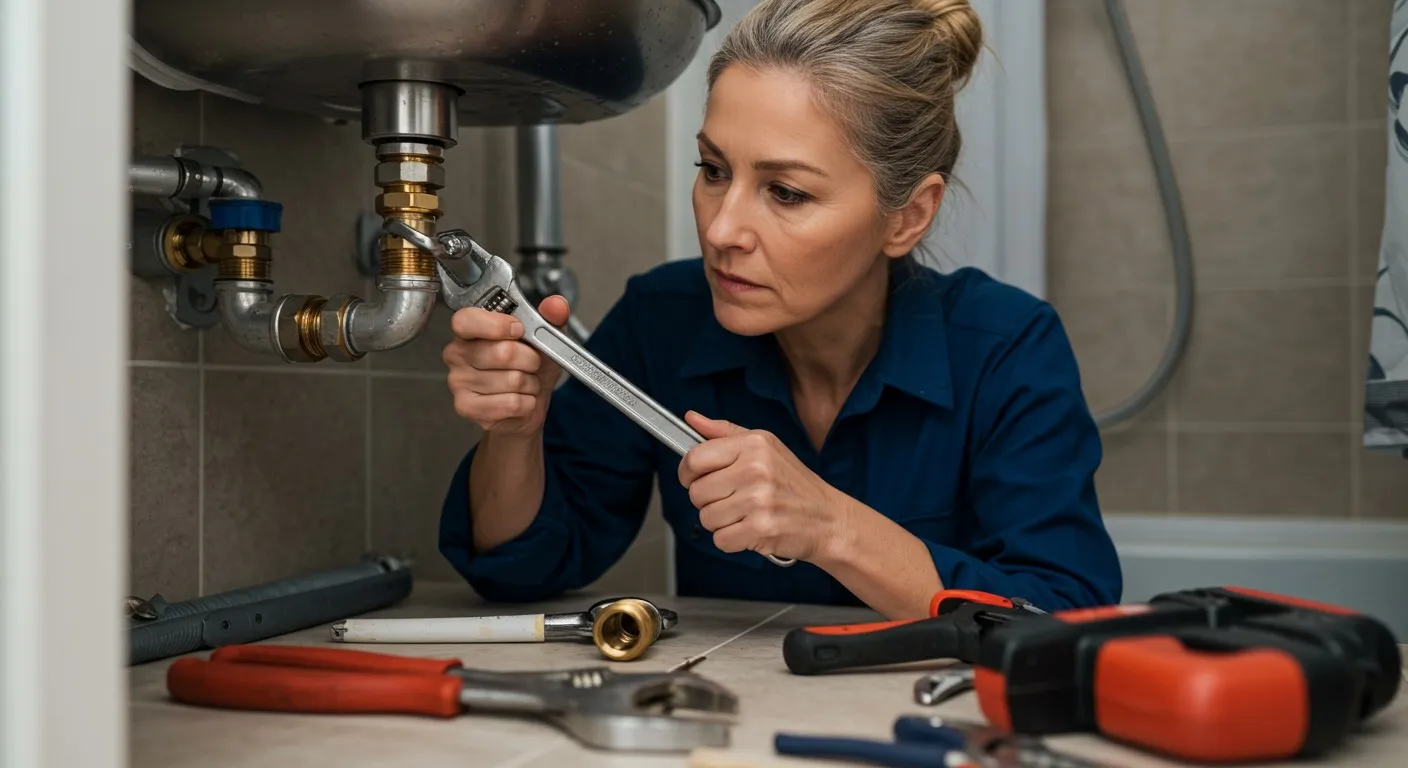
Plumbing problems interrupt daily life and can cause costly damage when left unattended. If you need plumbing repair in Alpharetta, GA, understanding common causes, how repairs are diagnosed, and what to expect from the repair process helps you make a confident decision. This page focuses on repair-focused services: diagnostics and troubleshooting, common repair types, emergency response, parts and materials, transparent estimates, repair steps, testing, and warranty expectations tailored to Alpharetta homes.
Why timely plumbing repair matters in Alpharetta
Alpharetta’s hot, humid summers, periodic heavy rains, and mature tree canopy create conditions that accelerate certain plumbing issues. Hard water and mineral buildup shorten water heater life and clog fixtures. Heavy rains and saturated soil increase the risk of sewer backups and root intrusion. Fixing problems quickly prevents water damage, mold growth, structural issues in slab foundations, and escalating utility bills.
Common plumbing repair issues in Alpharetta
- Leaks in supply lines and joints — often caused by corrosion in older galvanized piping, failed fittings, or freeze/thaw stress during occasional cold snaps.
- Faucet and fixture failures — worn cartridges, valve seats, or mineral scale lead to drips, low flow, or noisy operation.
- Toilet problems — running toilets, cracked bowls, or failed flapper/flush valve components that waste water.
- Water heater issues — pilot/light failures, sediment buildup, reduced capacity or leaks in tanks, and thermostat failures from hard water scale.
- Sewer line failures and backups — root intrusion, cast iron corrosion, collapsed sections, or clogged mains after heavy rains.
- Low water pressure and discolored water — caused by build-up, pipe corrosion, or localized leaks.
- Slab leaks — slow leaks under slab foundations that can cause floor damage and high water bills.
Diagnostic and troubleshooting process
Accurate diagnosis prevents unnecessary replacements and targets the root cause:
- Visual inspection of fixtures, exposed piping, and appliances.
- Pressure testing and meter checks to identify hidden leaks.
- Video sewer inspection for sewer line blockages, root intrusion, and pipe condition.
- Leak detection using acoustic or infrared equipment for slab or concealed leaks.
- Water quality and hardness testing when scale or staining is present.
The result is a clear, written estimate explaining the problem, recommended repair options, and whether a flat-rate or time-and-materials pricing is appropriate.
Common repair types and what to expect
- Pipe and joint repair: Replacement or repair using modern materials like PEX or copper for supply lines, and PVC or ABS for drains. Techniques include spot repairs, repiping sections, sectional pipe lining, or rerouting. Expect corrosive or aging sections to be replaced with code-compliant materials and joints tightened or resealed.
- Faucet and toilet repair: Cartridge or valve replacement, seat and gasket swaps, bowl repair, and handle/trim replacement. Many faucet and toilet repairs are completed on the same visit with a flat-rate estimate for parts and labor.
- Sewer and sewer line repair: Root cutting, sewer cleaning, hydrojetting, pipe lining (trenchless repair), or traditional dig-and-replace when needed. Video inspection footage is provided to show the condition and support repair recommendations.
- Water heater repair: Thermostat and element replacement, tank flushing for sediment removal, pressure relief valve replacement, and leak repair or tank replacement when repair is no longer viable. For tankless systems, diagnostics include flow sensors and ignition systems.
Parts, materials, and code compliance
Expect repairs to use durable, code-approved materials suited to local conditions:
- Supply lines: PEX or copper for durability and freeze resistance where required.
- Drain and sewer: PVC/ABS for modern drains; trenchless lining materials for minimally invasive sewer repairs.
- Fixtures and valves: Brass or stainless components for longevity; OEM-replacement parts when available.
- Water heaters: Manufacturer parts and high-quality valves; options to upgrade to energy-efficient models when replacement is recommended.
All work should meet Alpharetta and Fulton County plumbing codes; permits are arranged when required for replacements or major sewer work.
Emergency response and scheduling
Plumbing emergencies in Alpharetta — burst pipes, major leaks, sewer backups — require fast action to reduce property damage. Emergency repair response is typically provided on a same-day basis, often within a few hours depending on time of day and location within Alpharetta. Emergency service emphasizes temporary containment if a full repair can’t be completed immediately, followed by a plan and estimate for permanent repair.
Transparent pricing and estimates
Clients should receive a clear breakdown of recommended repairs, parts, labor, and permit needs. Common, repeatable repairs (toilet replacement, faucet installation, water heater element change) are often available as flat-rate estimates so you know total cost up front. More complex jobs may be quoted as time-and-materials with an estimated range. A good repair plan explains why each option is recommended and any long-term savings or risks associated with delaying work.
Step-by-step repair process
- Inspection: Confirm the issue, document conditions, and determine access needs.
- Diagnosis: Use testing and video inspection to pinpoint the root cause.
- Estimate: Provide a transparent written estimate and explain repair options.
- Repair: Execute the agreed repair using quality parts and local-code methods.
- Testing: Pressure tests, flow checks, and video verification for sewer work ensure the repair solved the problem.
- Cleanup and documentation: Restore the work area, provide care instructions, and issue any warranty paperwork.
Testing, verification, and aftercare
Post-repair testing confirms results: pressure or leak tests for water lines, camera verification for sewer repairs, and functional checks for fixtures and heaters. For slab or underground repairs, verification methods are documented to show the issue is resolved. Aftercare includes recommendations such as insulating exposed pipes before winter, routine water heater flushing to extend life, and scheduling periodic drain cleaning in areas with heavy tree root activity.
Warranty and peace of mind
Expect warranties that cover workmanship and parts. Manufacturer warranties vary by part — from limited coverage on valves to multiyear warranties on major components — while workmanship warranties commonly cover labor for a defined period after repair. Ask for written warranty details so you understand coverage scope, exclusions, and how follow-up service is handled.
Preventive tips for Alpharetta homeowners
- Install or maintain a water softener where hard water is an issue to protect heaters and fixtures.
- Schedule annual water heater maintenance to reduce sediment buildup and extend service life.
- Avoid flushing nondegradable items to reduce sewer clogs and backups during heavy rains.
- Monitor water usage and bills to detect hidden leaks early.
- Keep tree roots away from sewer lines when possible, and consider periodic sewer inspections in mature landscapes.
Well-executed plumbing repair in Alpharetta, GA restores comfort, protects property value, and prevents larger expenses. Clear diagnostics, transparent estimates, proper materials, and reliable testing are the core elements that ensure repairs are done right the first time.
Customer
Testimonials


Service Areas