

Heat Pump Repair in Alpharetta, GA
.webp)
Heat pump repair in Alpharetta, GA explains common issues, diagnostic steps, timelines, warranties, and service expectations. It covers why timely repairs matter in hot, humid summers, typical problems, including compressor faults, refrigerant leaks, electrical failures, reversing valve faults, and airflow issues, and what professionals check during diagnostics. The guide outlines repair policies, parts selection, and warranty details, plus practical pre-visit troubleshooting, repair-versus-replace considerations, and strategies to speed fast, reliable service for homeowners. It also highlights seasonal timing and communication to minimize downtime.
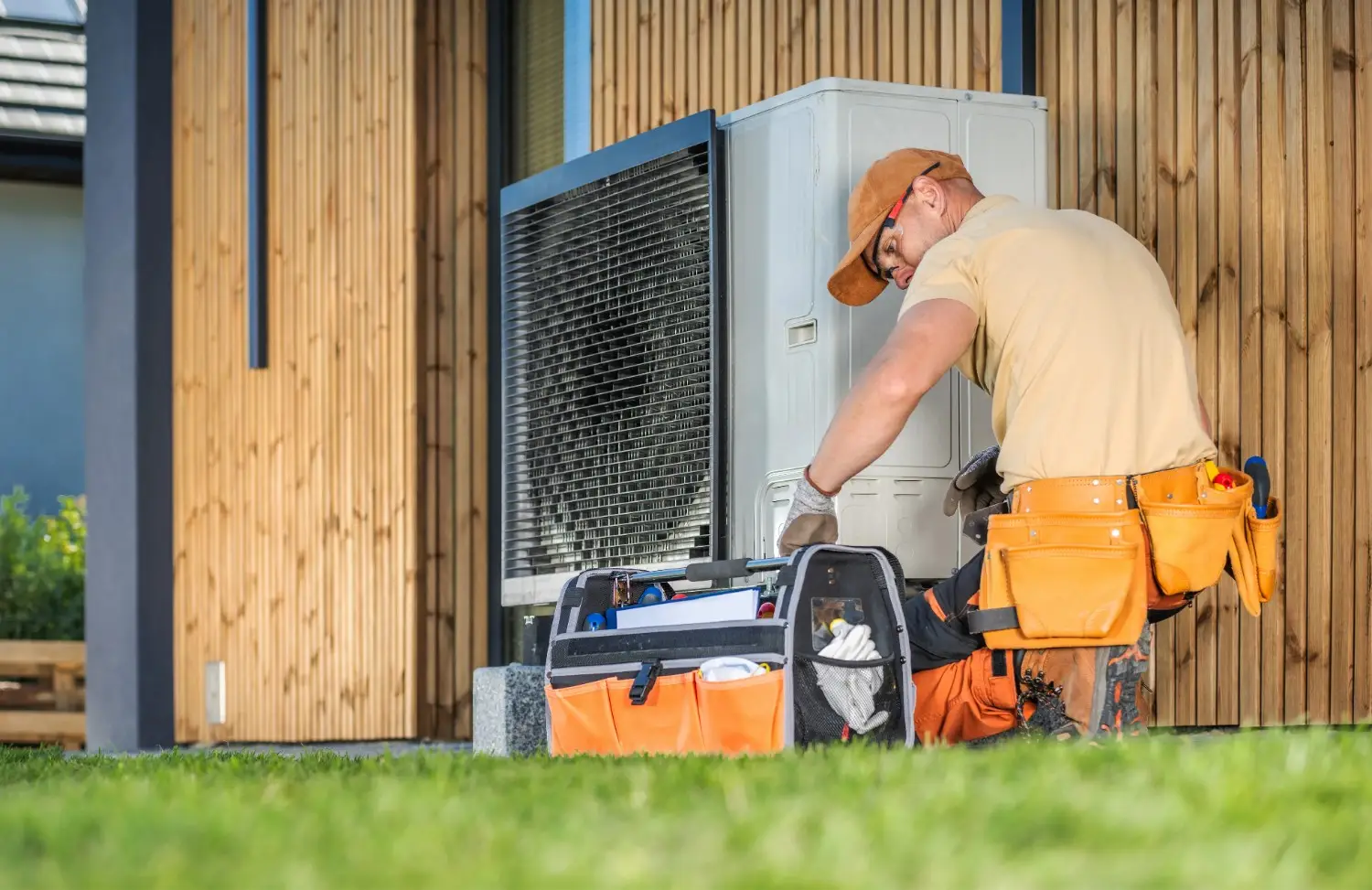
Heat Pump Repair in Alpharetta, GA
Heat pumps are the year-round workhorse in Alpharetta, GA homes, providing efficient cooling through hot, humid summers and reliable heating during mild winters. When a heat pump fails, comfort, indoor air quality, and energy bills are affected quickly. This page explains what to expect from professional heat pump repair in Alpharetta, common diagnoses, repair policies, realistic timelines, warranty considerations, and practical troubleshooting steps to get service fast and reduce downtime.
Why timely heat pump repair matters in Alpharetta
Alpharetta’s climate places heavy seasonal demand on heat pumps. High summer humidity forces longer run times and strains components like compressors and fans. In winter and shoulder seasons, frequent defrost cycles and reversing valve use add wear. Delaying repairs can:
- Increase energy costs due to reduced efficiency
- Cause refrigerant loss that damages compressors
- Create indoor comfort problems and humidity control issues
- Raise the risk of total system failure and costly replacements
Timely diagnosis and repair protect equipment life and keep living spaces comfortable.
Common heat pump problems in Alpharetta homes
Below are the typical faults service professionals diagnose and repair, with symptoms you may notice.
- Compressor issues
- Symptoms: unit hums but does not cool or heat, high electrical draw, frequent breaker trips, warm discharge lines
- Typical causes: motor failure, burnt windings, short cycling from low refrigerant or electrical faults
- Refrigerant leaks or low refrigerant
- Symptoms: long run cycles, poor cooling, ice on evaporator coil, oil residue near connections
- Typical causes: corroded fittings, vibrating lines, factory defects. Requires leak detection, repair, evacuation, and recharge to correct charge and prevent compressor damage
- Electrical component failures
- Symptoms: unit will not start, intermittent operation, clicking noises, blown fuses, tripped breakers
- Typical causes: failed capacitors, contactors, relays, control board faults, or loose wiring
- Reversing valve faults
- Symptoms: no heat in heating mode, stuck in one mode, unusual clunking during mode change
- Typical causes: valve failure, solenoid faults, or stuck internal components often revealed during shoulder seasons
- Airflow and airflow-related issues
- Symptoms: uneven temperature, frozen coils, short cycling
- Typical causes: clogged filters, obstructed return vents, failing blower motor, or duct issues
Diagnostic process - what professionals check
A thorough diagnostic avoids unnecessary parts replacement and identifies root causes. Expect these steps during a professional service visit:
- Visual inspection of outdoor unit and indoor air handler for debris, damage, and oil stains
- Electrical tests: voltage, amp draw, capacitor health, contactor operation, and safety control checks
- Refrigerant system evaluation: pressure readings, subcooling and superheat checks, and leak detection if indicated
- Reversing valve and defrost cycle observation in relevant seasons
- Airflow assessment: filter status, blower function, duct static pressure if needed
- System control verification: thermostat settings, error codes, and control board responses
A clear diagnostic report should explain findings, recommended repairs, and options.
Repair types, parts replacement policy, and warranties
Professional repair services typically follow these principles:
- Repair versus replace evaluation
- Technicians will weigh the age of the heat pump, compressor condition, refrigerant type, and estimated repair cost. Older systems nearing 10 to 15 years often justify replacement consideration rather than major compressor work.
- Parts selection
- OEM parts are preferred when available for compatibility and longevity. Equivalent aftermarket parts may be used when OEM is unavailable, with full disclosure. Critical components such as compressors, refrigerant metering devices, and control boards are handled cautiously to ensure proper match to system specifications.
- Replacement policy
- Faulty components are tested before replacement whenever practical. Replacements are performed following manufacturer torque, brazing, and pressure testing standards. Refrigerant recovery and proper evacuation are standard practice before charging.
- Warranty information
- Most professional repair services include a parts and labor warranty for repairs, commonly ranging from 30 to 365 days for service labor and 90 to 365 days for replaced parts depending on the component. Manufacturer warranties on parts may extend longer. Written warranty details should be provided for each repair.
Typical repair timelines in Alpharetta
Response and repair timelines depend on season, part availability, and severity:
- Diagnostics: 30 to 90 minutes during an on-site visit
- Minor repairs (capacitor, contactor, thermostat, filter/airflow fixes): often completed the same day
- Refrigerant leak repair and recharge: same day if parts are on hand; may require follow-up if leak tracing is complex
- Compressor replacement or major component swaps: 1 to 5 business days, depending on part availability and scheduling
- Emergency issues (no heating in winter or AC failure in heat waves): prioritized; response times vary from a few hours to same-day depending on demand
Seasonal peaks in Alpharetta (mid-summer cooling season and early winter) can extend wait times for parts and service. Preparing documentation and access ahead of time speeds repairs.
Practical troubleshooting tips before a technician arrives
These steps help narrow down problems and can sometimes solve minor issues. Always prioritize safety and do not attempt refrigerant or electrical repairs.
- Check thermostat settings
- Confirm mode (heat or cool) and setpoint, and replace thermostat batteries if present
- Inspect power and breakers
- Verify the outdoor unit and indoor air handler breakers are on. Do not reset repeatedly if breakers trip
- Replace or clean air filters
- Restricted airflow can cause freezing and short cycling. A clogged filter is a common, easy fix
- Clear debris around the outdoor unit
- Remove leaves, grass, and debris to ensure proper airflow
- Look for ice on the outdoor coil
- If icing is present, switch system to emergency heat or turn off and let defrost. Persistent icing indicates a professional check for refrigerant charge or airflow problems
- Note sounds and behavior
- Record or describe noises, how long the unit runs, and any error codes on the thermostat — this information accelerates accurate diagnosis
- Take photos or model/serial numbers
- Having the heat pump model and serial number and photos of service labels, access areas, or visible damage expedites parts identification
Repair vs replacement considerations
Deciding whether to repair or replace hinges on these factors:
- System age: older than 10 to 15 years leans toward replacement
- Extent of damage: compressor failure or repeated major refrigerant leaks can justify replacement
- Efficiency gains: new units offer higher SEER/HSPF ratings and better humidity control, which matter in Alpharetta’s hot, humid summers
- Refrigerant type: units using phased-out refrigerants may be more costly to repair due to refrigerant availability
A balanced, professional assessment will present repair options with expected lifespans and energy implications.
Final notes on fast service readiness
To speed service in Alpharetta, have system details ready, clear access to units, and note symptom timelines and recent maintenance. Be aware that peak seasons affect scheduling and parts delivery. Proper, prompt repair preserves comfort, reduces energy waste, and protects long-term equipment value for homeowners.
This information prepares homeowners in Alpharetta, GA to understand likely heat pump issues, what a professional diagnostic includes, realistic repair timelines, parts and warranty policies, and safe pre-visit troubleshooting to help get efficient, reliable service when it matters most.
Customer
Testimonials


Service Areas