
General Electrical Maintenance in Alpharetta, GA
.webp)
Routine electrical maintenance is essential to keep your Alpharetta home safe, efficient, and reliable. With hot, humid summers and frequent thunderstorms, houses in Alpharetta experience heavy seasonal electrical demand and an elevated risk of surge-related issues. Energy Wise Home Service provides structured general electrical maintenance in Alpharetta, GA, designed to identify hidden problems before they become costly failures, extend the life of critical equipment, and reduce safety hazards for families and properties across the city.
General Electrical Maintenance in Alpharetta, GA
Routine electrical maintenance is essential to keep your Alpharetta home safe, efficient, and reliable. With hot, humid summers and frequent thunderstorms, houses in Alpharetta experience heavy seasonal electrical demand and an elevated risk of surge-related issues. Energy Wise Home Service provides structured general electrical maintenance in Alpharetta, GA, designed to identify hidden problems before they become costly failures, extend the life of critical equipment, and reduce safety hazards for families and properties across the city.
Why regular electrical maintenance matters in Alpharetta
Electrical systems do not fail all at once. Wear and gradual degradation create risks that are easy to overlook during everyday living. In Alpharetta, increased air conditioning loads during summer, aging wiring in older neighborhoods, and urban growth that adds new circuits and devices make scheduled maintenance especially important. Regular maintenance:
- Reduces fire risk by catching overheating connections, worn insulation, and overloaded circuits.
- Keeps major appliances and HVAC systems running at peak efficiency, which matters when summer demand spikes electric use.
- Prevents nuisance outages and flickering lights that can indicate underlying faults.
- Ensures safety upgrades and code compliance, particularly when remodeling or adding high-load devices like electric vehicle chargers.
Energy Wise Home Service approaches maintenance with a combination of visual inspection, diagnostic testing, and preventive repairs that reflect local climate impacts and common Alpharetta home electrical patterns.
Common electrical maintenance issues in Alpharetta homes
Understanding typical problems helps prioritize inspection points. The most common issues found during general electrical maintenance in Alpharetta, GA include:
- Loose or corroded breaker connections at the panel, often caused by thermal cycling and humid conditions.
- Worn or outdated branch wiring in older homes, including cloth-insulated or undersized conductors.
- Overloaded circuits from modern electronics, home offices, and increased plug-in devices.
- Faulty or aging outlets and switches that spark, feel warm, or produce intermittent power.
- Lighting issues like flicker, ballast failures, or incompatible LED/fixture setups.
- Grounding and bonding deficiencies, critical for surge protection and safety.
- Hot spots in panels or connections resulting from high current draw or poor tightening.
- Problems introduced by DIY electrical work or undocumented changes during renovations.
Energy Wise Home Service prioritizes these items during every maintenance visit to reduce risk and improve system reliability.
What a comprehensive maintenance visit includes
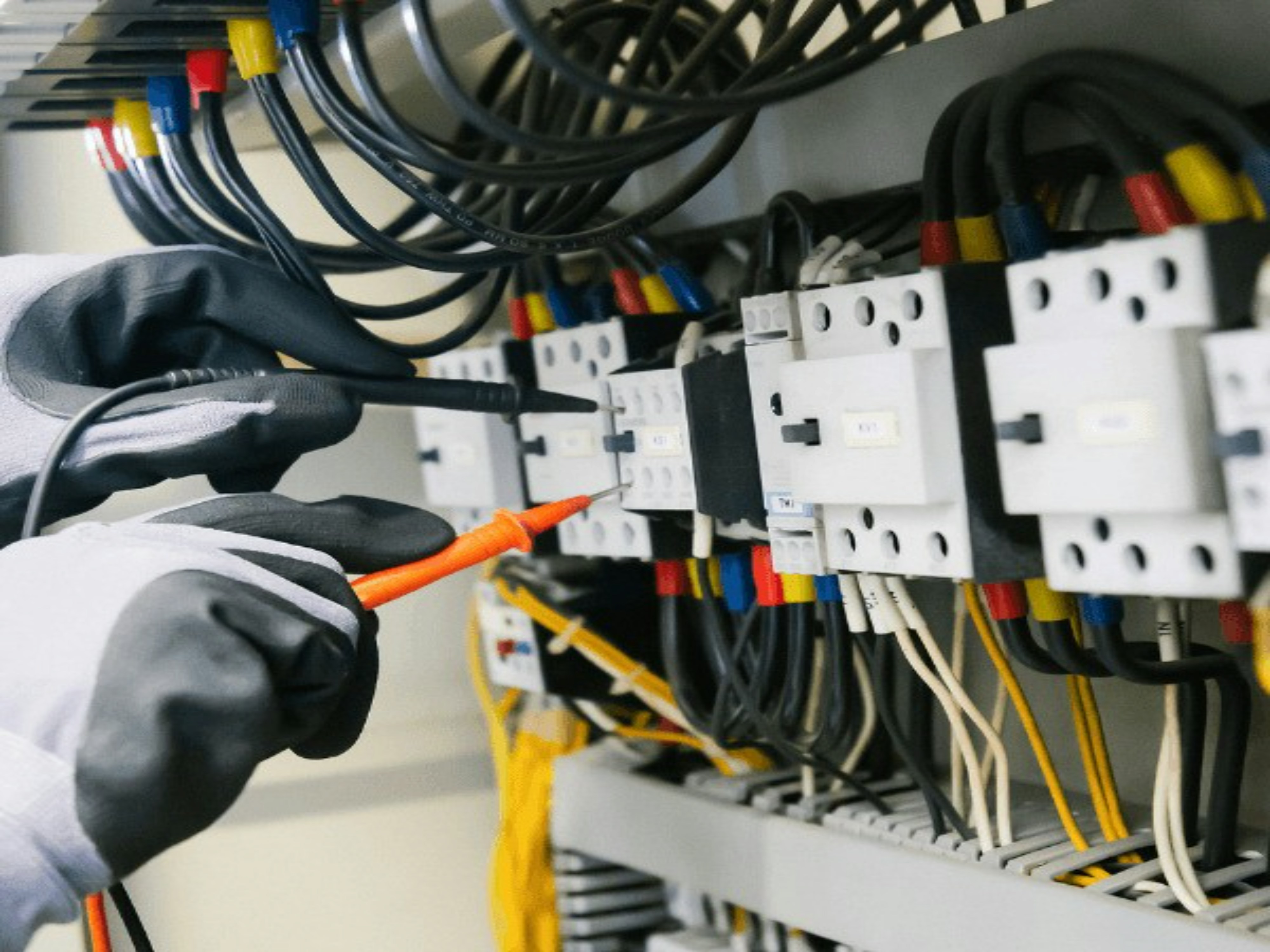
A properly executed general electrical maintenance inspection is systematic, documented, and focused on both safety and performance. Typical components of a full maintenance service include:
- Visual inspection of the main service equipment and electrical panel for signs of rust, water intrusion, overheating, or unapproved modifications.
- Breaker and wiring checks with torque verification at accessible terminations to confirm connections meet manufacturer specifications.
- Outlet and switch testing for correct polarity, grounding, and secure mounting; identification of GFCI and AFCI protection issues.
- Lighting circuit evaluation including ballast checks, LED compatibility checks, and verification of dimmer compatibility where appropriate.
- Thermal imaging of panels, feeders, and visible junctions to detect hot spots that are invisible to the naked eye.
- Load-balancing review to identify single-phase imbalances and circuits operating near or above recommended capacity, especially for HVAC compressors and electric heat loads.
- Grounding and bonding inspections to assure a continuous, low-impedance path to earth for safety and surge dissipation.
- Documentation of findings with clear recommendations and prioritized repair options.
Each task is performed with attention to Alpharetta-specific concerns such as frequent summer cooling loads, seasonal storm surge risk, and the mix of new and older construction styles.
Diagnostics explained in plain language
Homeowners should understand what the tests mean and why they matter. Here are the most commonly used diagnostic tools and a simple explanation of what they reveal:
- Thermal imaging: Uses an infrared camera to find unusually warm spots. A hot lug, breaker, or connection can mean high resistance, which leads to energy loss and a fire hazard if left unaddressed.
- Circuit loading checks: Measure how much current flows on individual circuits during typical use. Circuits consistently near or over rated capacity increase wear and risk nuisance tripping.
- Continuity and insulation testing: Verifies that wiring has a complete path and adequate insulation resistance to prevent leaks and shocks.
- GFCI/AFCI testing: Confirms life-safety devices will trip when exposed to ground faults or arcing faults, which protect people from electrocution and reduce fire risk.
- Voltage and phase analysis: Ensures the incoming service delivers stable voltage and correct phase balance for multi-phase systems, critical for equipment longevity.
Energy Wise Home Service reports these diagnostic results in accessible terms, identifies urgency levels, and explains options for repair or upgrade.
Preventive repairs and safety upgrades
Identifying issues is only part of maintenance. Preventive repairs target the root cause to avoid repeat problems. Common preventive and corrective actions include:
- Tightening, cleaning, or replacing loose or corroded panel connections to eliminate high-resistance points.
- Replacing outdated or damaged breakers with modern, properly rated devices; upgrading to Arc-Fault Circuit Interrupters (AFCI) and Ground-Fault Circuit Interrupters (GFCI) where required by code or recommended for safety.
- Replacing worn or unsafe outlets and switches; installing tamper-resistant receptacles in homes with children.
- Reconfiguring and balancing loads across available phases and breakers to spread current more evenly and reduce overheating.
- Repairing or replacing damaged branch wiring and junction boxes to restore insulation integrity and secure connectors.
- Installing surge protection at the service panel and selective surge suppression for sensitive electronics to protect against storm-related spikes common in Alpharetta.
- Upgrading grounding electrodes, bonding connections, and grounding conductors to ensure effective fault clearing and surge dissipation.
These preventive steps lower long-term repair costs, improve equipment performance, and reduce the likelihood of hazardous failures.
Recommended maintenance plans and frequency
A tailored maintenance plan ensures routine attention at intervals that match your home usage and risk profile. Recommended schedules for Alpharetta homes typically follow these guidelines:
- Annual inspection: At minimum, an annual general electrical inspection is recommended for most homes. Annual checks are especially important in Alpharetta due to summer cooling demands and storm seasons.
- Every 3 to 5 years: A more thorough panel and wiring assessment, including thermal imaging and load studies, is advisable every three to five years or when significant changes in household electrical demand occur.
- After major remodels or additions: Any time a significant renovation, new high-load appliance installation, or EV charger addition occurs, perform a targeted maintenance check and panel assessment to confirm capacity and safety.
- After storm events: If your home experiences lightning strikes nearby, flooding, or significant surges, arrange a focused inspection for surge damage and grounding integrity.
- For older homes: Homes built before modern electrical codes should receive more frequent attention, at least every 12 months, as wiring and components age.
Energy Wise Home Service can define a frequency that considers your home size, equipment, occupancy, and local seasonal influences to minimize risk and maximize system life.
Emergency response options in Alpharetta
Electrical emergencies demand fast, knowledgeable response. Common emergency scenarios include persistent power loss, burning smells from outlets or the panel, visible arcing, or repeated breaker trips that signal dangerous underlying conditions. Emergency maintenance options typically include:
- Rapid triage to determine whether service entrance or internal wiring is the source of the problem.
- Temporary safe shutdown or isolation of hazardous circuits to prevent fire and further damage.
- Emergency repairs for critical items such as burned connections, failed service equipment, or unsafe temporary splices.
- Coordinated work with electricians, inspectors, and code officials when emergency action triggers required remediation or reinspection.
Energy Wise Home Service understands local permitting and inspection practices and structures emergency responses with safety and compliance in mind, recognizing the specific weather patterns and electrical usage that can precipitate urgent failures in Alpharetta.
How maintenance improves equipment longevity and safety
Regular maintenance is not an expense; it is a protection strategy that preserves asset value and prevents catastrophic loss. Benefits include:
- Reduced risk of electrical fires by identifying and correcting overheated components and poor connections.
- Extended lifespan for HVAC compressors, motors, and major appliances by ensuring they operate on stable, well-balanced circuits.
- Fewer service interruptions and less wear on breakers and contacts, which reduces replacement frequency.
- Better energy efficiency when connections, load balance, and device performance are optimized.
- Documentation and records that increase resale value and help verify a home has been maintained properly in the event of sale or insurance review.
Local factors like high summer load and frequent thunderstorms amplify these benefits for Alpharetta homeowners, making maintenance a practical investment in both safety and operating cost reduction.
Practical maintenance tips for Alpharetta homeowners
While professional inspections are essential, homeowners can take everyday steps to reduce risk between visits:
- Avoid overloading outlets with multiple high-draw devices. Use dedicated circuits for major appliances and HVAC systems.
- Install whole-home surge protection to mitigate storm and grid-transient damage that is common in the region.
- Keep the area around outdoor meter sockets and service panels clear of vegetation and debris to reduce moisture intrusion and corrosion.
- Replace any outlets or switches that spark, feel warm, or exhibit visible damage. Tamper-resistant outlets are recommended in family homes.
- Label circuit breakers clearly after inspections so that circuits can be quickly isolated during incidents.
- Schedule maintenance before summer and before the colder months to ensure HVAC-related circuits are in peak condition prior to seasonal demand.
- Watch for indicators like flickering lights, frequent breaker trips, or a persistent burning or metallic odor around outlets or the panel and request a professional inspection promptly.
These measures, combined with scheduled professional maintenance, create a layered risk management approach.
Typical maintenance workflow and documentation
A transparent maintenance process improves trust and understanding. A typical general electrical maintenance engagement includes these steps:
- Pre-inspection intake to document home age, recent electrical work, appliances, and any known issues.
- On-site inspection with visual assessments, testing equipment, and thermal imaging, performed by licensed technicians.
- Real-time safety fixes for any immediate hazards discovered, such as replacing a compromised breaker or isolating a hot connection.
- Detailed report delivered after the visit outlining findings, urgency ratings, recommended repairs or upgrades, and estimated timelines for corrective work.
- Recommended maintenance schedule based on inspection results and homeowner usage patterns.
- Follow-up or reinspection after corrective work or at the established interval to confirm system stability.
This structured approach ensures every maintenance visit produces an actionable outcome that improves both safety and reliability.
Cost-effectiveness and long-term value
Routine maintenance reduces the chance of expensive emergency repairs and premature replacements. While initial maintenance costs are modest compared to major equipment replacement or damage recovery, the true value appears over time through:
- Lowered emergency callouts and reduced downtime for critical systems.
- Fewer premature failures for high-cost components such as HVAC compressors or electric panels.
- Decreased insurance risk in the event of claims since documented maintenance and safety upgrades demonstrate responsible property stewardship.
- Potential energy savings from improved electrical performance and correctly balanced loads.
Energy Wise Home Service emphasizes long-term value, safety, and clear documentation so homeowners can make informed decisions about maintenance investments.
Frequently Asked Questions
Q: How often should I schedule general electrical maintenance for my Alpharetta home?
A: Most homeowners benefit from at least an annual inspection, with a more comprehensive assessment including thermal imaging and load-balancing every three to five years. Homes with older wiring, recent renovations, or heavy seasonal loads should be checked more frequently.
Q: What does thermal imaging find that a visual inspection misses?
A: Thermal imaging detects temperature anomalies from overloaded circuits, loose connections, or failing components that are not visible to the eye. Finding hot spots early prevents fires and reduces equipment stress.
Q: Are surge protectors necessary in Alpharetta?
A: Yes. Due to frequent thunderstorms and summer electrical storms in the Alpharetta area, whole-house surge protection at the service panel plus point-of-use protection for sensitive electronics is a practical safeguard.
Q: Will maintenance require shutting off power to my home?
A: Some tasks may require temporary, localized power interruptions for safety while making repairs or tightening connections. Technicians aim to minimize disruption and will inform you beforehand about any necessary shutdowns.
Q: Can maintenance reduce my energy bills?
A: Indirectly, yes. Properly balanced circuits, secure connections, and efficient equipment operation reduce energy loss and wear on motors and compressors, which can yield modest energy savings over time.
Q: How do I know if my breaker panel needs to be replaced or upgraded?
A: Signs that a panel may need replacement include frequent breaker trips, visible corrosion, a history of burning smells or hot breakers, an inability to accommodate new loads, or the presence of obsolete equipment. A professional inspection will determine whether repairs or an upgrade is warranted.
Q: Do older Alpharetta homes require different maintenance than newer construction?
A: Older homes often have outdated wiring, smaller service capacities, and may lack modern protection devices like AFCI and GFCI. They typically need more frequent inspections and targeted upgrades to meet current safety standards.
Q: What is included in load-balancing reviews?
A: Load-balancing reviews examine how current is distributed between phases and across panel circuits, identify circuits that are operating near capacity, and recommend redistribution or panel upgrades to reduce overheating and improve efficiency.
Q: Is documentation provided after maintenance?
A: Yes. A complete maintenance visit includes a written report that details findings, recommendations, urgency levels, and suggested follow-up intervals to help homeowners track the electrical health of their property.
Q: Can maintenance address issues caused by DIY electrical work?
A: Maintenance inspections will identify unsafe or noncompliant DIY work and provide repair recommendations. Corrective action may involve replacing unsafe splices, reworking connections, and ensuring all work meets code for safety and insurance purposes.
Energy Wise Home Service brings local knowledge of Alpharetta climate impacts and typical residential electrical needs to every maintenance engagement. Through routine inspections, targeted preventive repairs, and clear documentation, homeowners in Alpharetta, GA can protect their property, extend equipment life, and maintain a safer living environment. Regular electrical maintenance is both a safety priority and a cost-saving strategy for anyone serious about preserving their home and family from preventable electrical problems.
Customer
Testimonials


Service Areas