
Heating Replacement in Alpharetta, GA
.webp)
We help Alpharetta homeowners understand when a heating system replacement truly makes sense for their homes, weighing common issues and outlining our step-by-step replacement process and equipment options. We cover diagnostics like age, energy use, combustion safety, and ductwork, then discuss replacement systems such as air-source heat pumps, ductless mini-splits, high-efficiency gas furnaces, hybrids, and smart controls. We also highlight efficiency ratings, financing options, and post-install maintenance to maximize your comfort, safety, and long-term cost savings. Energywise Home Service offers clear guidance to help you decide between repair versus replacement for Alpharetta climates.
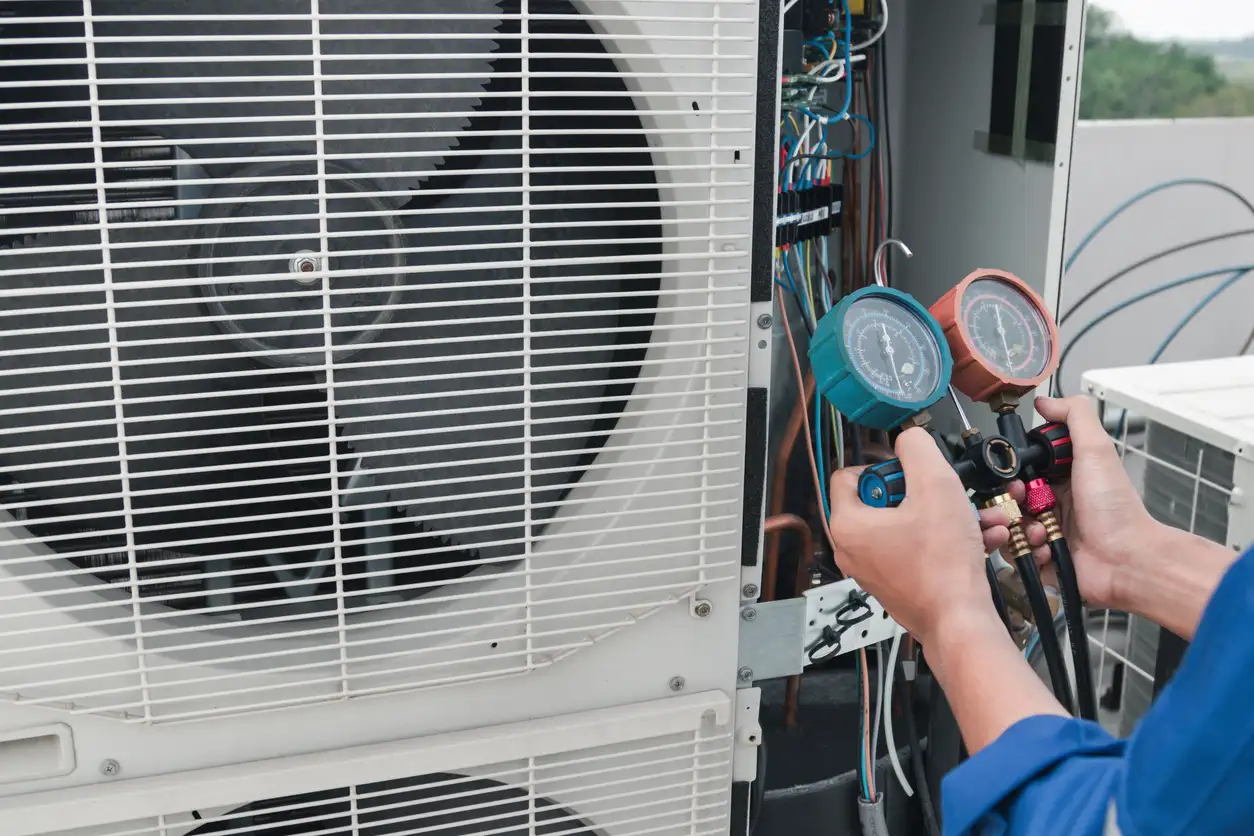
Heating Replacement in Alpharetta, GA
Upgrading your heating system is one of the most impactful home improvements for comfort, energy savings, and indoor air quality. In Alpharetta, GA, where winters are generally mild but can include cold snaps, the right heating replacement balances reliability with year-round efficiency. This page explains when replacement makes sense, common local issues, the step-by-step replacement process, equipment options, and practical considerations for Alpharetta homes.
Why replace your heating system now?
Replacing an aging or failing heating system eliminates recurring repair costs and delivers measurable benefits:
- Lower energy bills through higher-efficiency equipment suited to Georgia’s climate.
- More consistent comfort with improved temperature control and zoning options.
- Improved indoor air quality from upgraded filtration and properly sealed ductwork.
- Increased reliability and safety, particularly for older gas furnaces with combustion components.
- Long-term value from modern warranties and higher resale appeal.
Common heating replacement issues in Alpharetta
Homeowners in Alpharetta typically seek replacement for these reasons:
- Equipment older than 12–15 years with frequent breakdowns
- Rapidly rising heating costs despite normal usage
- Uneven temperatures between rooms or floors
- Loud or rattling operation from the furnace or heat pump
- Persistent odors or soot near combustion appliances
- Repeated repairs costing a high percentage of a replacement
- Need to convert from one fuel type to another (for example, from oil to natural gas or to an electric heat pump)
Local considerations: Alpharetta’s relatively mild winters make high-efficiency heat pumps a strong option, while homes with existing natural gas service often opt for modern condensing gas furnaces or hybrid systems for maximum comfort and efficiency.
How we diagnose whether you need a full replacement
A careful, data-driven assessment ensures you only replace what’s necessary:
- System age and repair history — older systems with increasing repair frequency typically justify replacement.
- Energy performance check — compare current energy usage and estimate savings with newer equipment.
- Combustion safety inspection (for gas furnaces) — check for carbon monoxide risks, heat exchanger integrity, and venting.
- Ductwork evaluation — inspect for leaks, insulation gaps, and airflow restrictions that can undermine a new system.
- Load calculation (Manual J) — measure the home’s true heating and cooling loads to size equipment correctly for Alpharetta’s climate and local construction styles.
Types of replacement systems to consider
- Air-source heat pumps (single-stage, two-stage, or variable-speed): Highly efficient for mild climates; provide both heating and cooling and often yield the best year-round efficiency in Alpharetta.
- Ductless mini-split heat pumps: Ideal for additions, garages, or homes without ductwork; offer zoned comfort and low installation footprint.
- High-efficiency gas furnaces: Best for homes with reliable natural gas service that need strong performance during occasional cold spells.
- Hybrid systems: Combine a heat pump with a gas furnace to optimize efficiency across varying temperatures.
- Smart thermostats and zoning: Pairing new equipment with zoning or smart controls maximizes comfort and energy savings.
The heating replacement process (what to expect)
A professional replacement follows a clear, safe sequence to ensure performance and compliance:
- Initial assessment and load calculation — confirm the right capacity and recommended system type for your home.
- Equipment selection — choose models based on efficiency ratings (HSPF, SEER, AFUE), sound levels, and features like variable-speed compressors.
- Permitting and local code review — ensure installation meets Georgia and local Alpharetta building codes and safety standards.
- Removal of the old unit — safe disconnection, reclaiming refrigerant (when applicable), and responsible disposal or recycling.
- Ductwork and distribution prep — repair or seal ducts, add insulation, and adjust returns/supply layout to match the new system.
- Installation of the new system — mount indoor and outdoor components, connect fuel or electrical services, and install controls.
- Startup and commissioning — calibrate airflow, charge refrigerant (if applicable), test safety controls, and verify thermostat integration.
- Performance verification and homeowner orientation — demonstrate system operation, share maintenance tips, and provide warranty information.
Efficiency ratings and what they mean for your bills
- Look for high-efficiency ratings appropriate to the type of system:
- Heat pumps: higher HSPF and SEER numbers mean better seasonal performance.
- Gas furnaces: AFUE indicates how much fuel is converted to heat.
- In Alpharetta, the seasonal mix of heating and cooling makes heat pump efficiency particularly valuable because improved cooling season performance reduces overall energy costs.
Financing, rebates, and incentives (general guidance)
Many homeowners offset replacement costs through:
- Manufacturer and utility rebates — local utilities and manufacturers often offer incentives for high-efficiency heat pumps or furnaces.
- Federal tax credits and state programs — periodically available for qualifying ENERGY STAR and high-efficiency installations.
- Financing options — equipment financing and payment plans commonly help spread upfront costs.
Note: availability and qualification rules change regularly. It’s important to confirm current incentives and eligibility before finalizing equipment choices.
Post-replacement benefits and maintenance tips
After installing a modern heating system, expect:
- Quieter operation and faster warm-up times
- Reduced monthly operating costs
- Better humidity control and filtration for improved comfort and health
To protect your investment:
- Change filters regularly and use filters compatible with the new system’s airflow specifications.
- Schedule annual preventive maintenance, ideally before the heating season, to maintain efficiency and catch issues early.
- Keep outdoor units clear of leaves and debris and ensure vents are unobstructed.
- Consider a programmable or smart thermostat to match comfort with occupancy patterns.
Should you repair or replace?
Choose replacement when:
- Your system is older than about 12–15 years
- Repair costs are a significant fraction of replacement cost
- Efficiency and comfort are noticeably worse than expected
- Your home has changed (additions, insulation upgrades) and the current system is now undersized
In Alpharetta, upgrading to a modern heat pump or a high-efficiency gas furnace often yields the best balance of comfort, operating cost, and long-term reliability for local weather patterns.
Replacing your heating system is a technical decision with practical consequences for comfort, safety, and monthly expenses. A properly sized, modern system matched to your Alpharetta home and usage habits delivers the biggest long-term value through energy savings, dependable performance, and better indoor air quality.
Customer
Testimonials


Service Areas