

Air Conditioning Installation in Alpharetta, GA
.webp)
Air conditioning installation in Alpharetta, GA involves a complete process—from initial load assessment to final commissioning. Proper sizing is essential, and many replacements are driven by efficiency concerns, aging systems, or ductwork issues. Homeowners can choose from a range of energy-efficient equipment, with the installation process covering permitting, refrigerant handling, and strict safety compliance. After installation, technicians perform system tests, provide documentation, activate warranties, and recommend maintenance schedules. The result is improved comfort, better indoor air quality, higher efficiency, and long-term reliability, with clear timelines and performance expectations.
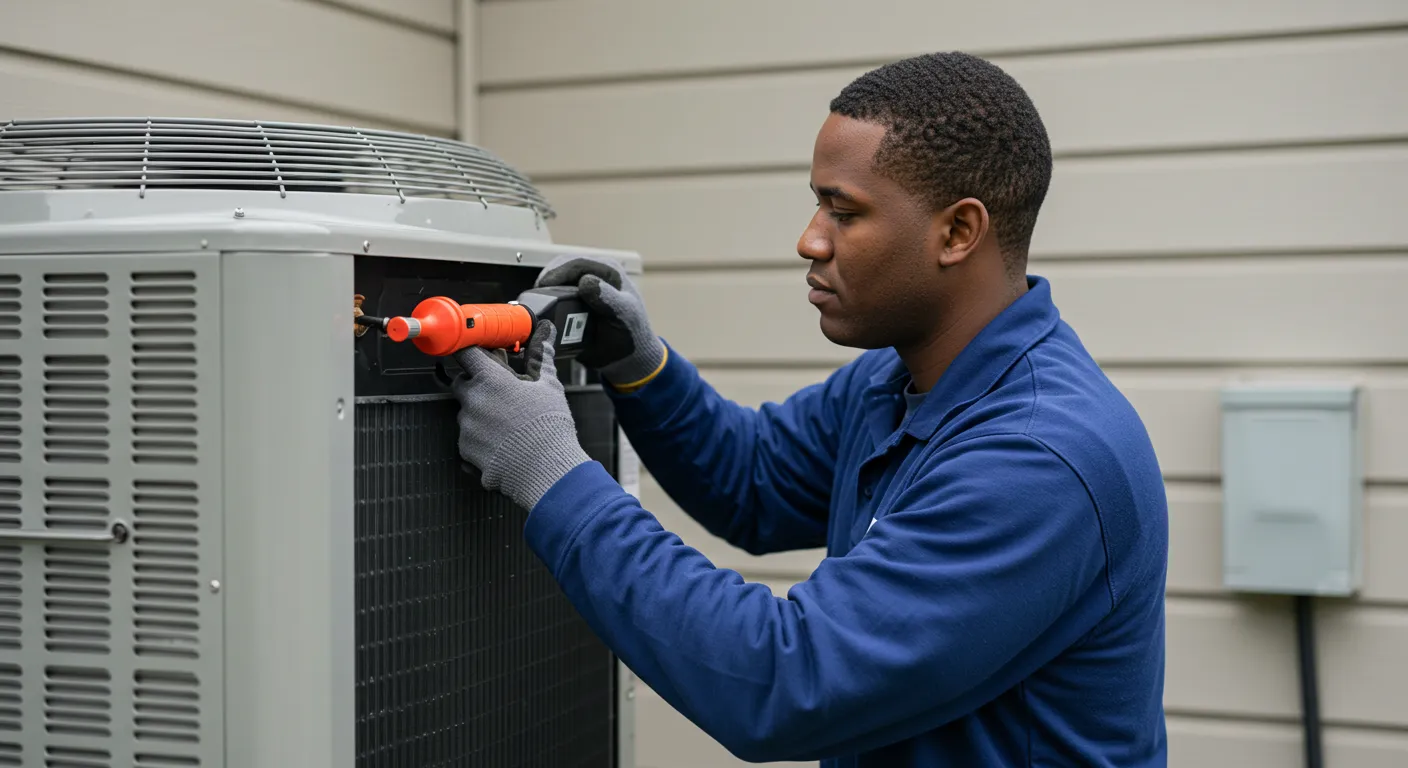
Air Conditioning Installation in Alpharetta, GA
Installing a new air conditioning system in Alpharetta, GA is about more than comfort. With long, hot, humid summers and rising energy costs, the right AC unit and a professional installation can improve comfort, control indoor humidity, lower monthly bills, and protect your home from moisture-related problems. This page explains what to expect from a complete air conditioning installation in Alpharetta, common local considerations, the installation process, and the tests and documentation that ensure your system performs reliably.
Why Alpharetta homes need the right AC solution
Alpharetta summers are humid and temperatures frequently climb into high heat. That combination increases cooling load and can lead to excessive indoor humidity, higher energy use, and strain on undersized or poorly installed systems. Properly sized, efficient equipment with correctly sealed ductwork:
- Removes heat and humidity more effectively
- Runs longer, more efficient cycles for comfort and efficiency
- Reduces risk of mold and moisture damage
- Extends equipment life and reduces unexpected breakdowns
Common reasons homeowners choose a full AC installation in Alpharetta, GA
- Aging or failing central air systems that need replacement
- New construction or major renovations requiring new ducted systems
- Adding a new living space, finished attic, or sunroom without existing ductwork
- Switching to a higher efficiency system to reduce energy bills
- Converting from window or packaged units to central air or ductless systems
Initial home and load assessment
A reliable installation starts with a detailed assessment tailored to your Alpharetta home. Key elements include:
- A cooling load calculation (Manual J) to determine correct unit size based on square footage, orientation, insulation, windows, occupancy, and local climate
- Duct design or evaluation (Manual D) when ducts are new or require modification
- Electrical capacity check and panel evaluation
- Inspection of existing equipment, attic insulation, and ventilation
These assessments prevent common problems from improper sizing such as short cycling, insufficient dehumidification, or premature wear.
Unit sizing and energy-efficiency recommendations
Correct sizing is critical. Oversized systems cool quickly but short cycle, leaving humidity high. Undersized systems run continuously without reaching set temperatures. Recommendations typically include:
- Right-sizing based on load calculation, not rule-of-thumb
- Considering higher SEER-rated units for better seasonal efficiency and lower operating cost
- Variable-speed compressors and multi-stage systems for improved comfort and humidity control
- Compatible, programmable or smart thermostats for better control and zoning
In Alpharetta, selecting equipment that balances efficiency and dehumidification is important for summer comfort.
Ductwork evaluation and common solutions
Duct condition has a major impact on performance. In Alpharetta homes, common ductwork issues include leaks, undersized runs, poor insulation in unconditioned attics, and imbalanced airflow. Typical ductwork recommendations:
- Seal and insulate ducts to reduce energy loss
- Replace or resize ducts that limit airflow
- Add return air pathways or booster fans where needed
- Test static pressure and balance airflow for even comfort throughout the home
Addressing ducts during installation maximizes the benefits of a new condenser and air handler.
Step-by-step installation process
A clear, methodical installation minimizes surprises. Typical steps:
- Finalize system selection and confirm load calculations and equipment placement
- Apply for required permits with City of Alpharetta and Fulton County authorities if applicable
- Schedule equipment delivery and prepare the work area
- Safely remove old equipment, including refrigerant recovery as required by federal regulations
- Install new outdoor condenser and indoor air handler or furnace, and complete duct modifications
- Make electrical, thermostat, and refrigerant line connections
- Commission system with a startup checklist and initial testing
- Clean up the site and provide homeowner documentation and operating guidance
Permits, code compliance, and refrigerant handling
Installations must meet local building codes and ordinances. Permits and inspections with the City of Alpharetta or Fulton County often cover electrical work, refrigerant handling, and HVAC installations. Technicians handling refrigerant are required to follow EPA refrigerant handling rules and hold appropriate certification. Proper permitting and code compliance protect the value of your home and ensure a safe, legal installation.
Timeline you can expect
Timeline varies with scope:
- Assessment and sizing: typically 1 to 3 business days
- Permit processing: can add up to 1 to 2 weeks depending on local schedules
- Equipment delivery and installation: many residential installs are completed in 1 to 3 days
- Post-install testing and inspection: same day or within a few days after install
More complex ductwork or retrofit projects may extend the timeline.
Warranty, manufacturer registration, and documentation
New equipment usually includes manufacturer warranties for parts and limited warranties for compressors. It is important to:
- Keep all paperwork and install documentation
- Register the equipment with the manufacturer to activate full warranty coverage
- Understand what labor warranties exist from the installerProper documentation simplifies future service and warranty claims.
Financing and incentive options
Homeowners often finance new HVAC systems through home improvement loans, payment plans, or promotional financing. Incentives and rebates may be available from local utilities or manufacturers for high-efficiency equipment. Federal or state energy tax credits can apply in some cases. Reviewing financing and incentive options helps align upfront cost with long-term energy savings.
Post-installation testing and performance verification
A full commissioning ensures peak performance. Post-install checks include:
- Refrigerant charge verification and leak check
- Measuring airflow and static pressure
- Verifying electrical amp draw and safe connections
- Measuring temperature differential (delta T) across the evaporator coil
- Calibrating and programming the thermostat
- Checking condensate drainage and secondary safety pans
- Balancing dampers and verifying even room temperatures
A thorough walkthrough explains operation, filter maintenance, and recommended service intervals.
Maintenance and long-term benefits
Regular maintenance preserves efficiency and warranty coverage. Recommended practices:
- Replace filters regularly
- Schedule annual tune-ups before the cooling season
- Keep outdoor coil clear of debris and vegetation
- Monitor for unusual sounds or reduced airflow
When installed correctly, a new AC system delivers better comfort, improved indoor air quality, lower energy bills, and longer equipment life—advantages especially valuable in Alpharetta's humid climate.
Customer
Testimonials


Service Areas