

Heat Pump Services in Alpharetta, GA
.webp)
Professional heat pump installation, conversion, and repair services in Alpharetta, GA ensure year-round comfort and energy efficiency. Homeowners gain insight into how heat pumps operate, efficiency comparisons, and key maintenance practices. The process includes site surveys, load calculations, equipment selection (air-source, cold-climate, inverter-driven, and ductless), duct assessments, and full installation steps from removal to commissioning. Guidance also covers common repair issues, inverter and multi-stage advantages, defrost performance, and best practices for sizing and upkeep—helping Alpharetta households maximize comfort, energy savings, and available rebates.
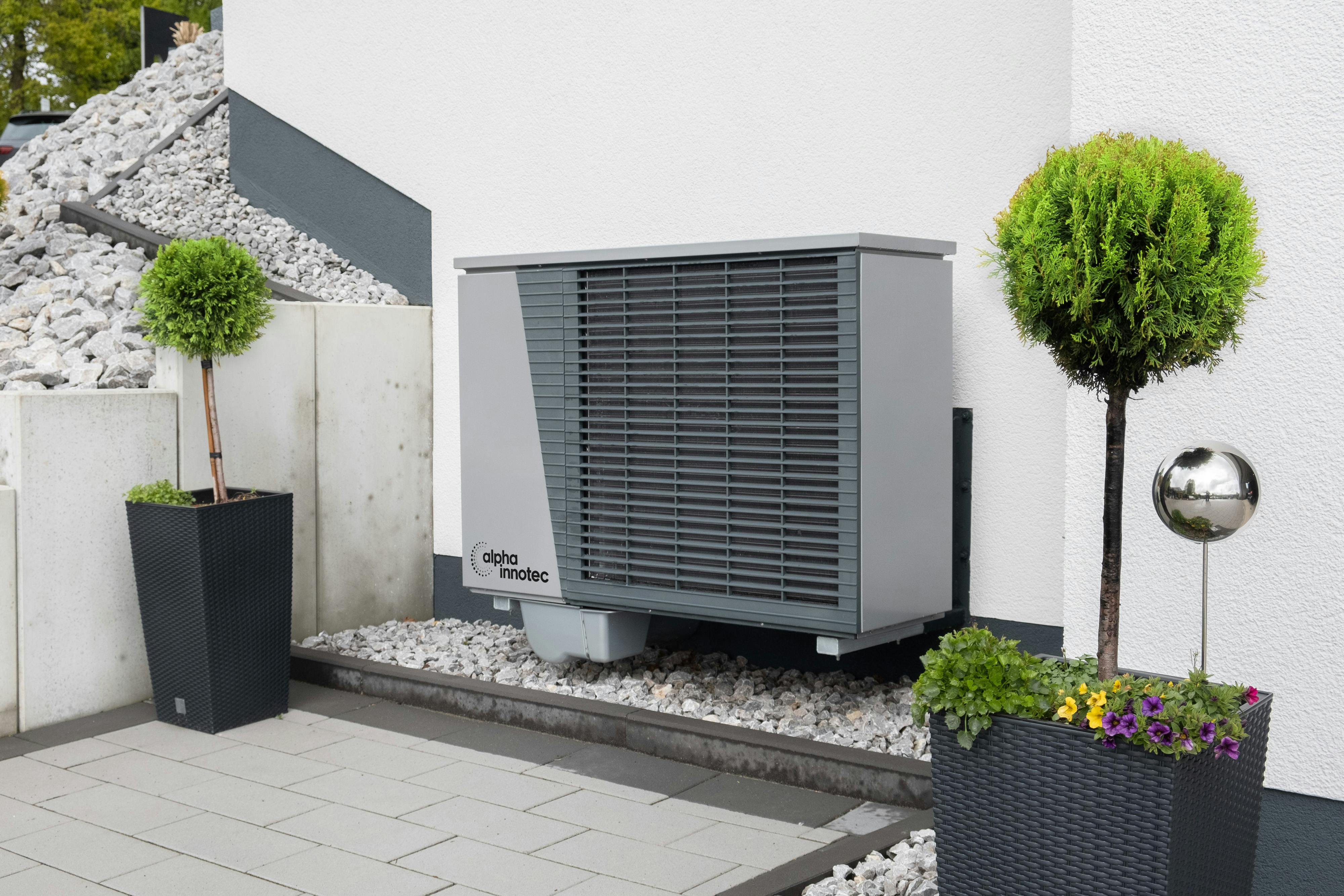
Heat Pump Services in Alpharetta, GA
Alpharetta homes benefit from efficient, year-round climate control, and a properly selected heat pump can lower energy bills while improving comfort. This page explains professional heat pump installation, conversion, and repair services for Alpharetta, GA—covering how heat pumps work, efficiency and cost comparisons, inverter and multi-stage capabilities, defrost and cold-climate performance, recommended maintenance schedules, sizing guidance, and typical rebate options. If decision-stage research is the goal, this content helps choose the right system and understand what to expect from service work.
Why a heat pump makes sense in Alpharetta
Alpharetta has hot, humid summers and generally mild winters with occasional cold snaps. That climate profile plays well to modern heat pumps:
- Heat pumps deliver efficient cooling in summer and economical heating in winter.
- Variable-speed inverter models offer better humidity control during humid months.
- Cold-climate heat pumps or dual-fuel systems handle rare freezing periods without excessive operating costs.
- Rebates and federal incentives often make upgrades financially attractive in the Southeast.
Common heat pump services and issues in Alpharetta
Typical reasons homeowners schedule service include:
- Installation: New system installs for new construction or replacement of aging HVAC equipment.
- Conversion: Replacing separate furnace and air conditioner with a single heat pump system or switching from electric resistance heat.
- Repair: Fixing refrigerant leaks, compressor faults, reversing valve issues, defrost cycle failures, fan or motor problems, and control board or thermostat malfunctions.
- Maintenance: Seasonal tune-ups, refrigerant level checks, coil and blower cleaning, and airflow optimization.
- Sizing and ductwork upgrades: Ensuring system capacity and duct design match actual home load.
How heat pumps work (simple explanation)
A heat pump moves heat rather than generating it. In cooling mode it extracts heat from inside and rejects it outdoors; in heating mode it extracts available heat from outdoors and delivers it inside. Modern systems use variable-speed compressors and advanced controls to adjust output precisely, increasing efficiency and comfort while running longer, quieter cycles.
Installation and conversion: what to expect
- Site survey and load calculation: A professional performs a Manual J load calculation to determine the correct capacity. This accounts for Alpharetta sun exposure, insulation, window orientation, and local cooling/heating needs.
- Equipment selection: Choose between air-source, cold-climate, inverter-driven, or ductless mini-split options. Consider multi-stage or variable-speed units for superior humidity control and efficiency.
- Duct assessment and modifications: Existing ducts are inspected for leaks, insulation, and airflow constraints. Repairs or resizing may be required for optimal performance.
- Installation steps: Remove old equipment if present, mount outdoor unit, connect refrigerant lines and controls, install indoor air handler or coil, and complete electrical and thermostat wiring.
- Testing and commissioning: System pressures, electrical loads, airflow, and thermostat operation are tested; refrigerant charge and control settings are optimized for your home.
- System education: Basic operation, recommended settings for Alpharetta seasons, and maintenance expectations are explained.
Repair diagnostics and common solutions
Professional diagnostics typically include visual inspection, electrical testing, refrigerant pressure checks, airflow measurement, and thermostat calibration. Common repair findings and typical solutions:
- Low refrigerant or leak: Locate and repair leak, vacuum system, and recharge to correct charge by weight.
- Compressor or capacitor failure: Replace failed components, confirm electrical stability, and test under load.
- Defrost problems in winter: Inspect defrost control board, sensors, and reversing valve; replace defective components or adjust defrost thresholds.
- Reduced airflow: Clean/replace filters, inspect blower motor, and check ductwork for obstructions or leaks.
- Reversing valve or control board issues: Replace faulty valves or boards and verify correct sequencing of heating and cooling.
Inverter and multi-stage system benefits
- Inverter (variable-speed) compressors: Adjust capacity continuously rather than cycling on and off. Benefits include consistent indoor temperatures, improved humidity control, quieter operation, and better part-load efficiency.
- Multi-stage systems: Offer stepped capacity changes (two or three stages) to improve comfort and efficiency over single-stage models. In Alpharetta, these features reduce peak energy use during hot humid days.
Defrosting and cold-climate performance
Alpharetta winters are usually mild but can drop below freezing. Important considerations:
- Modern cold-climate heat pumps maintain heating efficiency at lower outdoor temperatures through enhanced refrigerant management and compressors.
- Defrost cycles are necessary to clear frost from the outdoor coil. Properly functioning defrost controls are crucial to avoid energy waste or heat loss.
- Dual-fuel systems pair a heat pump with a gas furnace for the coldest days; the system switches to the furnace when outdoor temperatures make heat pump operation less efficient.
Efficiency and cost-savings comparisons
- Heat pumps typically deliver more heating energy per kWh than electric resistance heaters, translating to lower winter energy bills in Alpharetta’s climate.
- Compared with a separate furnace plus air conditioner, a high-efficiency heat pump can reduce combined operating costs, especially when paired with an inverter-driven model.
- Cooling efficiency metrics such as SEER and heating metrics such as HSPF help compare models; higher ratings indicate better efficiency and potential long-term savings.
- Consider whole-system efficiency: properly sized unit, sealed and insulated ducts, and smart thermostat settings maximize savings.
Sizing guidance and best practices
- Use a professional Manual J calculation rather than rule-of-thumb sizing. Oversized heat pumps short-cycle, reducing comfort and efficiency; undersized units struggle on peak days.
- Evaluate ductwork, insulation levels, window performance, and attic ventilation. Improving envelope performance can allow a smaller, more efficient heat pump.
- Consider zoning or multi-zone mini-splits for additions or rooms with different usage patterns.
Maintenance schedule for reliable performance
A consistent maintenance plan extends equipment life and preserves efficiency:
- Every 1-3 months: Replace or clean indoor filters.
- Biannual: Professional tune-ups before cooling and heating seasons. Tasks include refrigerant checks, coil cleaning, electrical safety tests, blower and motor inspection, thermostat calibration, defrost control check, and airflow measurement.
- Annually: Duct inspection and sealing if needed; clear vegetation and debris around the outdoor unit; inspect condensate drain and pan.
Rebates and incentives
Homeowners in Georgia commonly qualify for federal tax credits for high-efficiency heat pumps and may find state or utility rebates that reduce upfront costs. Manufacturer or distributor promotions may also be available. These incentives often require specific efficiency ratings or qualified equipment, so verify eligibility before purchase.
Bottom-line benefits for Alpharetta homeowners
A properly sized and installed heat pump delivers year-round comfort, improved humidity control in humid summers, and efficient heating during mild winters—all while offering potential energy bill reductions and eligibility for rebates. Regular maintenance and selecting the right technology— inverter-driven or cold-climate models—ensure dependable performance through Alpharetta weather variations and reduce long-term operating costs.
Customer
Testimonials


Service Areas