
Tankless Water Heater in Alpharetta, GA
.webp)
Tankless water heaters provide Alpharetta homeowners with an efficient upgrade for reliable hot water, energy savings, and space efficiency. This page explains how tankless systems work, why local households may choose to install them, and the key factors involved in sizing, installation, and maintenance. Topics include flow-rate calculations, temperature rise, venting and gas-line requirements, and local permitting. It also addresses common issues such as mineral buildup and undersized gas supply. A comparison with conventional tanks highlights efficiency, space savings, and service life, helping homeowners decide whether a tankless system is the right choice for their Alpharetta home.
-min.jpg)
Tankless Water Heater in Alpharetta, GA
Tankless (on-demand) water heaters provide hot water only when you need it, eliminating standby heat loss from storage tanks. For Alpharetta homes, tankless systems can be an efficient long-term upgrade that delivers near-endless hot water, saves space, and can lower energy use when sized and installed correctly.
This page explains how tankless units work, what to consider for installation in Alpharetta, common local issues, maintenance needs, and how tankless compares to conventional tank systems.
How Tankless Water Heaters Work
- Heat water on demand using a gas burner or electric element when hot water is needed.
- Rated by flow rate (GPM) and output power (BTU/hr for gas, kW for electric).
- Most units modulate output to match demand for better efficiency and temperature stability.
Benefits for Alpharetta Homes
- Endless hot water for long showers or multiple loads (when sized correctly).
- Energy efficiency: No standby heat loss, higher annual efficiency.
- Smaller footprint: Wall-mounted, frees closet/garage space.
- Longer service life: 15–20+ years vs. 10–15 years for tank systems.
- Lower environmental impact with reduced fuel use.
Common Tankless Water Heater Issues in Alpharetta
- Mineral buildup (scaling): Moderately hard water in Metro Atlanta reduces flow and efficiency.
- Insufficient gas supply: Older homes may need upsized gas lines for high-BTU models.
- Venting/combustion air constraints: Condensing units need PVC venting and drainage; non-condensing use stainless venting.
- Undersizing for demand: Running multiple fixtures may exceed GPM capacity.
- Electrical needs: Whole-house electric units may require major panel upgrades.
Flow-Rate and Sizing Calculations
Step 1: Estimate concurrent fixture flow
- Shower: 2.5 GPM
- Kitchen faucet: 2.2 GPM
- Washing machine: 2.0 GPM
- Dishwasher: 1.5 GPM
Example: 2 showers (2.5 + 2.5) + kitchen faucet (2.2) = 7.2 GPM
Step 2: Determine temperature rise (Delta T)
- Desired output: ~120°F
- Incoming water in Alpharetta: 50–65°F (use 50–55°F for winter sizing)
- Example: 120°F – 55°F = 65°F Delta T
Step 3: Convert to BTU (gas models)
- Formula: GPM × Delta T × 500
- Example: 7.2 × 65 × 500 = 234,000 BTU/hr
Notes:
- Electric models rated in kW; check service panel capacity.
- Always size for winter temps to avoid performance issues.
Venting and Gas-Line Requirements
- Venting:
- Condensing units → PVC or polypropylene venting with condensate drainage.
- Non-condensing units → Stainless steel venting with different clearances.
- Gas supply:
- High-capacity units often require upsizing gas lines (½" → ¾" or larger).
- Proper gas pressure test and sizing calculation required.
- Permits and inspections:
- Governed by Alpharetta/Fulton County codes; required for venting, combustion air, and gas connections.
Installation Considerations & Cost Factors
Factors affecting cost and complexity:
- Replacement vs. relocation of unit
- Gas line or electrical service upgrades
- Venting path complexity
- Water treatment (softener or scale prevention)
- Local permitting and inspection requirements
- Choice of single unit vs. multiple units for high-demand homes
Note: Retrofits in older Alpharetta homes may require more work than new construction.
Maintenance and Descaling
- Descaling (flushing):
- Alpharetta: Every 6–12 months without water softening.
- With softener: 1–3 years.
- Routine checks: Annual inspection of venting, burners, ignition, relief valve, and condensate drain.
- Water treatment: Whole-house softeners or scale-prevention devices extend lifespan.
Warranties and Typical Service Life
- Heat exchanger: 5–15 years (manufacturer dependent).
- Parts/labor: 1–5 years.
- With proper maintenance: 15–20+ year lifespan.
Tankless vs. Conventional Tank Systems
Tankless advantages
- No standby heat loss → energy savings.
- Unlimited hot water (when sized right).
- Smaller footprint, longer service life.
Tank system advantages
- Lower upfront cost.
- Handles high simultaneous demand without sizing concerns.
- Less sensitive to hard water.
Is Tankless Right for Your Alpharetta Home?
Consider these factors:
- Household size and peak hot water use
- Winter incoming water temperature (Delta T)
- Existing gas line, venting, and electrical infrastructure
- Local water hardness and treatment options
Customer
Testimonials


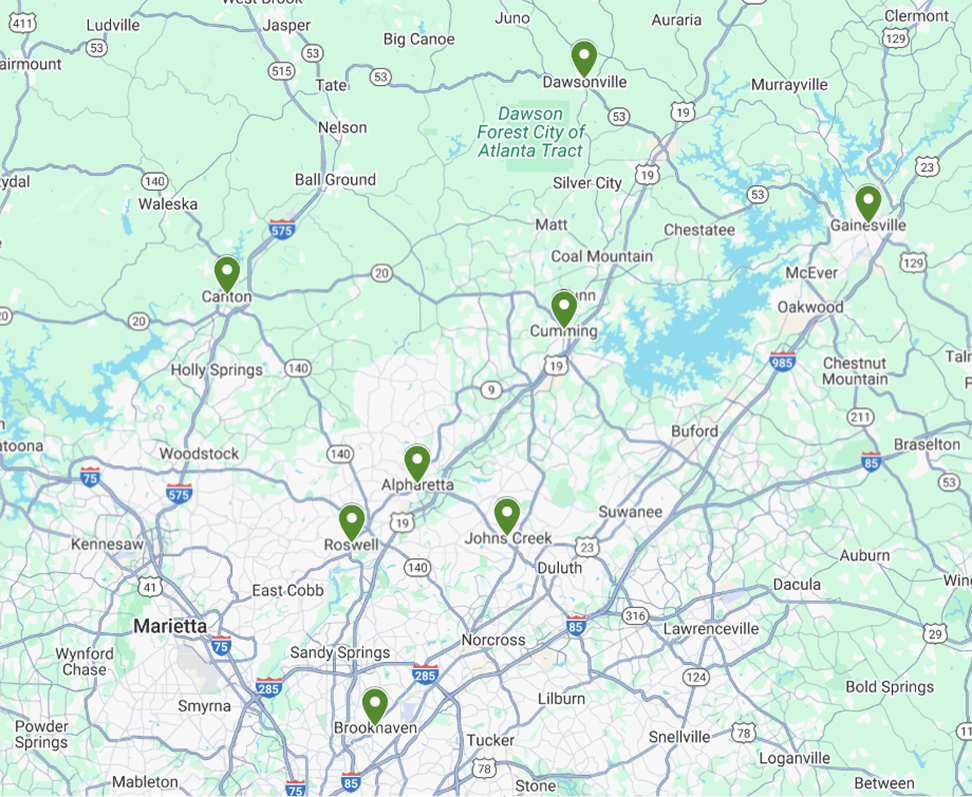
Service Areas