
Duct Design in Alpharetta, GA
.webp)
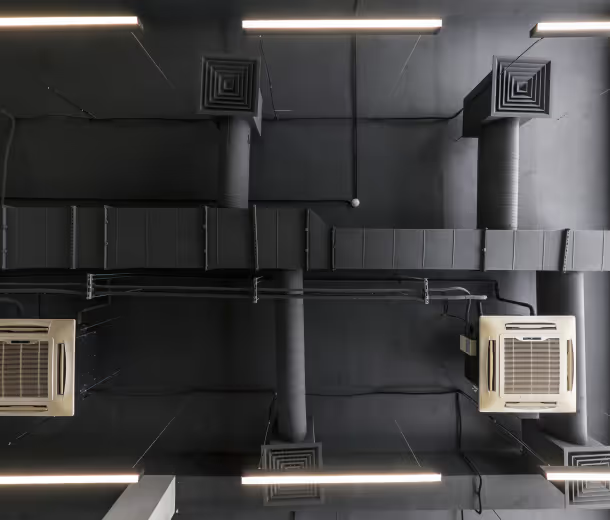
Professional duct design in Alpharetta, GA delivers balanced airflow, improved comfort, and longer HVAC life by tailoring the system to each home. The process includes on-site assessment, Manual J load calculations, Manual D duct layout, material and insulation recommendations, airtight sealing, and rigorous testing and balancing. Designers coordinate with existing equipment, ensure code compliance, and provide detailed schematics, material lists, and performance reports. The result is predictable comfort, lower energy use, reduced noise, and documentation for future service or upgrades.
Duct Design in Alpharetta, GA
Why Duct Design Matters
Well-designed ductwork is one of the most cost-effective ways to improve year-round comfort, indoor air quality, and HVAC efficiency in Alpharetta homes. Professional duct design goes beyond simple duct runs: it starts with accurate heating and cooling load calculations and results in a sealed, balanced distribution system that reduces hot and cold spots, limits humidity problems during our hot, humid summers, and extends equipment life.
If your home has uneven rooms, high energy bills, or noisy ductwork, targeted duct design in Alpharetta, GA addresses those problems at the source.
Common Duct Design Issues in Alpharetta Homes
- Poorly sized ducts that cause low airflow, high static pressure, and short cycling.
- Long or convoluted runs through hot attics that reduce delivered cooling capacity.
- Leaky joints, gaps, and poorly sealed connections that introduce conditioned-air loss and humid outdoor air.
- Inadequate return pathways leading to pressure imbalances and room-to-room temperature variation.
- Duct insulation that is insufficient for unconditioned spaces, increasing condensation risk in summer.
- Retrofit challenges where new HVAC equipment is mated to an old duct system that cannot meet airflow requirements.
What a Professional Duct Design Includes
A thorough duct design process for Alpharetta homes focuses on measurable outcomes: consistent comfort, efficient operation, and code compliance. Core elements include:
- On-site assessment: Walk-through inspection of the home, existing HVAC equipment, attic/crawlspace access, and current duct layout.
- Heating and cooling load calculations (Manual J): Room-by-room load analysis to determine the required capacity for heating and cooling, factoring in Alpharetta climate patterns, solar orientation, insulation levels, window performance, and occupancy.
- Duct sizing and layout (Manual D): A full duct plan that sets trunk sizes, branch runs, register locations, and static pressure targets to deliver calculated airflow to each room.
- Material and insulation recommendations: Guidance on suitable duct materials (rigid sheet metal, flex duct types), insulation levels for ducts in attics or unconditioned spaces, and vapor control to prevent condensation during humid months.
- Airtight sealing practices: Specification of approved sealing methods and materials to minimize leakage at seams, boots, and takeoffs.
- Airflow balancing and testing: Duct leakage testing and static pressure checks, plus register-level balancing to ensure each zone receives proper airflow.
- Integration planning: Recommendations for matching the duct system to existing or replacement HVAC equipment, including fan capabilities and filter/access needs.
- Local code compliance: Confirmation that the design meets Alpharetta and Georgia building and energy codes.
- Deliverables: Detailed duct schematics, material lists, performance reports, and test results showing leakage and static pressure numbers.
Diagnostic and Design Process — Step by Step
- Initial assessment: Visual inspection and measurement of existing conditions, photos, and notes on access points. Evaluate attic insulation, existing duct insulation, and return locations.
- Manual J load calculation: Calculate precise room loads to establish target CFM (cubic feet per minute) per space. This prevents oversizing or undersizing.
- Manual D duct layout: Create scaled duct schematics with trunk routes, branch takeoffs, register sizes, and static pressure targets that match the system fan curve.
- Material and insulation selection: Recommend duct materials and insulation R-values appropriate for ducts in attics, crawlspaces, or conditioned basements given Alpharetta’s humid climate.
- Sealing and access planning: Specify sealing techniques (mastic or UL-listed tapes), access panels, and locations for future testing and maintenance.
- Testing and balancing: After installation or retrofit work, perform duct leakage testing and measure system static pressure. Make register adjustments and document results in a performance report.
Materials, Sealing, and Insulation — What Works Best Here
- Use rigid metal trunks for main distribution where possible to reduce resistance and air noise. Flex branches are acceptable when installed with minimal bends and proper stretching.
- Insulate ducts located in unconditioned attics to reduce heat gain in summer and heat loss in winter. Use insulation compatible with local code requirements and humidity control practices.
- Seal all seams and transitions with mastic or approved foil tapes and install gasketing at plenums and equipment connections. Proper sealing reduces infiltration of humid attic air and improves equipment efficiency.
- Provide dedicated returns and ensure sufficient return grille sizing so rooms remain neutral in pressure and do not draw pollutants from attics or crawlspaces.
Airflow Balancing, Leakage, and Testing
- Static pressure checks verify that the fan can deliver required airflow without excessive head loss caused by undersized ducts or restrictive filters.
- Duct leakage testing quantifies air loss so you can see the efficiency impact before and after sealing. Reducing leakage often yields measurable improvements in comfort and bill savings.
- Register-level balancing aligns actual airflow with the Manual J targets, eliminating hot and cold spots without oversizing equipment.
Integration with Existing HVAC Equipment
Duct design must be coordinated with the furnace or air handler and the outdoor unit. Key considerations:
- Confirm the system fan curve and ensure designed static pressure stays within the fan’s efficient operating range.
- If equipment is upgraded, verify that new equipment capacities match the Manual J loads and that air handlers have appropriate blower sizes for the duct layout.
- Account for filter size and access, thermostat locations, and zoning controls when specifying dampers or multiple return paths.
Expected Deliverables and Timeline
Deliverables typically include:
- Scaled duct schematics and layout plans
- Manual J and Manual D calculation summaries
- Material, insulation, and sealing specifications
- Airflow and static pressure test reports, including pre- and post-sealing values
- Recommendations for integration or equipment changes
Timeline:
- Most single-family home design assessments and schematic delivery are completed within days to a couple of weeks.
- Full install and post-install testing schedules depend on contractor availability and project complexity.
Benefits and Maintenance Advice
Benefits of Professional Duct Design in Alpharetta
- Improved comfort and fewer hot or cold rooms
- Lower energy use and reduced HVAC runtime
- Reduced humidity infiltration and lower condensation risk in summer
- Quieter operation and longer equipment life
- Clear documentation for future system work and code inspections
Simple Maintenance Tips
- Replace or clean filters regularly and use the correct filter size.
- Keep attic and crawlspace insulation in good condition to protect duct insulation effectiveness.
- Schedule periodic airflow checks if you change equipment or remodel interior spaces.
Pricing Considerations
Costs reflect project complexity rather than arbitrary fees. Key factors that affect pricing include:
- Home size and number of zones
- New construction vs retrofit complexity and access difficulty
- Extent of sealing, insulation, or duct replacement required
- Need to coordinate with HVAC equipment upgrades or zoning systems
- Required testing and documentation for code compliance
A professional duct design balances upfront investment with measurable long-term savings in energy, comfort, and equipment longevity. In Alpharetta’s climate, addressing duct leakage and proper insulation pays dividends in summer humidity control and winter comfort.
Customer
Testimonials


Service Areas