
Heat Pump Maintenance in Roswell, GA
.webp)
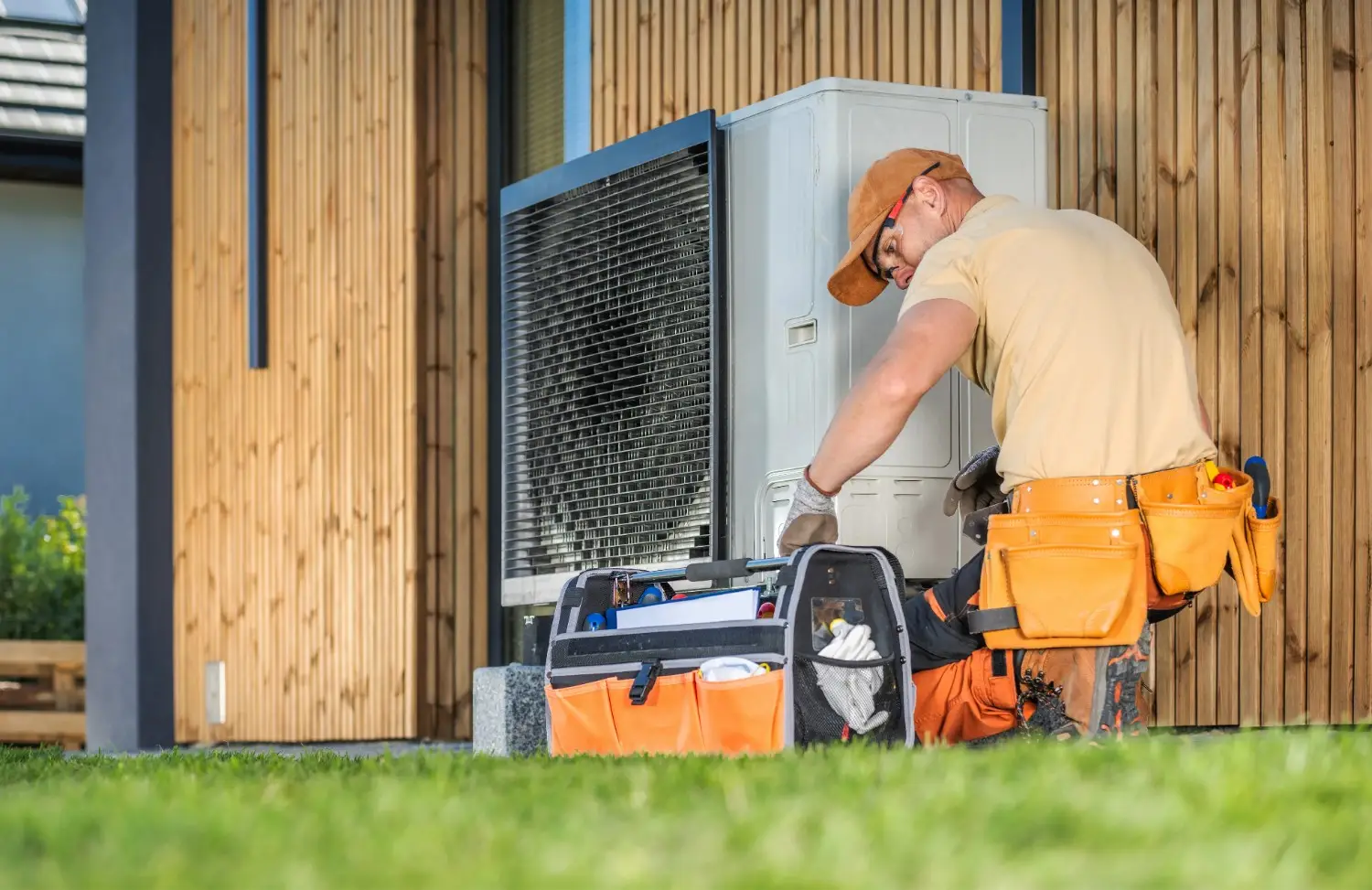
Heat Pump Maintenance in Roswell, GA provides homeowners with customized seasonal service plans designed to keep systems efficient and reliable year-round. The program includes inspections, filter care, coil cleaning, safety checks, and performance testing, all scheduled to match Roswell’s climate needs. With flexible coverage, priority service, and detailed records, homeowners reduce breakdowns, extend equipment life, and improve indoor air quality. Proactive maintenance ensures consistent comfort, lower energy costs, and peace of mind.
Heat Pump Maintenance in Roswell, GA
Keeping a heat pump running reliably and efficiently is one of the best ways to protect your comfort and energy budget in Roswell, GA. Regular maintenance reduces breakdown risk during hot, humid summers and during the occasional cold snap, extends equipment life, and preserves efficiency so your system delivers consistent heating and cooling without wasting energy. This page explains what a professional heat pump maintenance program looks like, common issues in Roswell homes, inspection schedules, record-keeping and tracking, and how maintenance agreements are typically structured and customized.
Why regular heat pump maintenance matters in Roswell, GA
Roswell experiences hot, humid summers and mild winters. High humidity and heavy pollen loads in spring and fall put extra stress on coils, filters, and outdoor units. Extended cooling runs in summer increase wear on compressors and fans. Routine maintenance prevents the most common failure points, improves indoor air quality by addressing moisture and pollen buildup, and helps your system operate at peak efficiency when you need it most.
Common heat pump issues in Roswell homes
Many heat pump problems are predictable and preventable with regular upkeep. Common issues seen in the Roswell area include:
- Clogged air filters from seasonal pollen and household dust causing restricted airflow and reduced efficiency
- Dirty coils and condensate drains promoting ice buildup in winter or reduced cooling capacity in summer
- Refrigerant leaks or low charge reducing heating and cooling performance
- Worn electrical connections and failing capacitors that can cause intermittent operation or failures
- Fan and motor wear from constant high-load cooling seasons
- Defrost cycle failures during rare freezing events that stress the compressor
Addressing these before they become emergency repairs saves money and prevents uncomfortable outages.
What a comprehensive maintenance program includes
A professional program or service agreement for heat pump maintenance typically bundles scheduled preventative visits with added benefits like priority service and documented system history. Core elements include:
- Scheduled preventative visits timed for peak seasons (spring for cooling tune-up, fall for heating tune-up)
- Thorough filter and component inspections and recommended filter replacement cadence
- Cleaning of outdoor and indoor coils, blower assemblies, and condensate drain lines
- Refrigerant level check and leak evaluation when needed
- Electrical inspection, tightening, and testing of controls, contactors, and capacitors
- Lubrication of motors and moving parts where applicable
- Thermostat calibration and airflow verification
- System performance testing to measure airflow, pressures, and temperature differentials
- Priority scheduling for maintenance customers to minimize wait times during high-demand periods
Inspection schedules and recommended frequencies
Roswell homeowners typically benefit from a scheduled approach aligned with seasonal needs:
- Filter checks: every 1 to 3 months depending on filter type, household occupants, and pets
- Preventative tune-ups: twice a year (spring and fall) to prepare for cooling and heating loads
- Coil and condensate cleaning: annually or more often if pollen and humidity cause buildup
- Refrigerant and pressure testing: annually, and any time performance drops
- Electrical checks and capacitor testing: annually to detect wear before failures
This cadence balances cost and risk, keeping systems efficient while catching small issues early.
How service agreements and priority service work
Service agreements are designed to make maintenance predictable and effective. Typical features of these agreements include:
- A fixed schedule of preventative visits with documented checklists
- Priority or expedited service scheduling for enrolled customers during peak seasons
- Advance reminders for upcoming maintenance windows to help with planning
- Standardized inspection reports and maintenance logs after each visit
- Options to include annual performance testing and seasonal filter deliveries
Priority service means shorter response times for repairs and less downtime during hottest or coldest periods, which is particularly valuable in Roswell where demand spikes during summer.
Record-keeping and long-term system health tracking
A key advantage of professional maintenance agreements is consistent documentation. Records include:
- Date-stamped service reports listing inspections, readings, and parts replaced
- Trends in refrigerant charge, efficiency metrics, and airflow measurements
- History of repairs, warranties, and parts lifecycle tracking
- Recommendations for when replacement or major repairs will be cost-effective
These records help predict end-of-life for equipment and support decision-making about upgrades, efficiency improvements, or phased replacements.
Customizing a maintenance plan for your home
Maintenance plans should reflect your home, equipment age, and lifestyle. Common customization options:
- Coverage level: basic tune-ups versus comprehensive plans that include parts and labor for selected repairs
- Frequency: more frequent visits if high pollen, pets, or heavy use demand it
- Add-ons: indoor air quality services, UV lights, higher-efficiency filters, duct sealing, or smart thermostat integration
- Family needs: allergy-sensitive households may opt for enhanced filtration and more frequent coil cleanings
A tailored plan ensures you pay for the services that matter most for your system and indoor comfort.
Benefits of regular maintenance and owner best practices
Consistent maintenance returns value in several measurable ways:
- Improved energy efficiency and lower utility usage during long cooling seasons
- Fewer unexpected breakdowns and reduced emergency repair exposure
- Longer equipment life and better resale value for the home
- Better indoor air quality through control of moisture, mold, and pollen buildup
Simple owner actions that complement a maintenance plan:
- Replace or clean filters regularly per the recommended schedule
- Keep outdoor units clear of debris, plants, and mulch to ensure airflow
- Monitor indoor humidity and use exhaust fans during high-humidity events
- Note any unusual noises or performance drops and document dates to share during service visits
Maintaining a heat pump in Roswell, GA means proactively addressing humidity and pollen challenges, protecting equipment during heavy cooling periods, and keeping detailed records so system health can be monitored over time. A well-designed maintenance program and service agreement reduces surprises, saves energy, and prolongs system life while keeping your home comfortable year round.
Customer
Testimonials


Service Areas