

Heat Pump Repair in Roswell, GA
.webp)
Heat pump repair in Roswell, GA offers a thorough overview of common failures, diagnostic steps, and repair pathways. The guide outlines typical symptoms such as compressor issues, refrigerant leaks, defrost cycle faults, reversing valve problems, and electrical faults, then describes a professional diagnostic sequence from safety checks to refrigerant testing. It explains repair options, warranty considerations, and timeline expectations, and provides guidance on when replacement is more cost-effective, alongside maintenance practices to prevent future failures in humid summer climates.
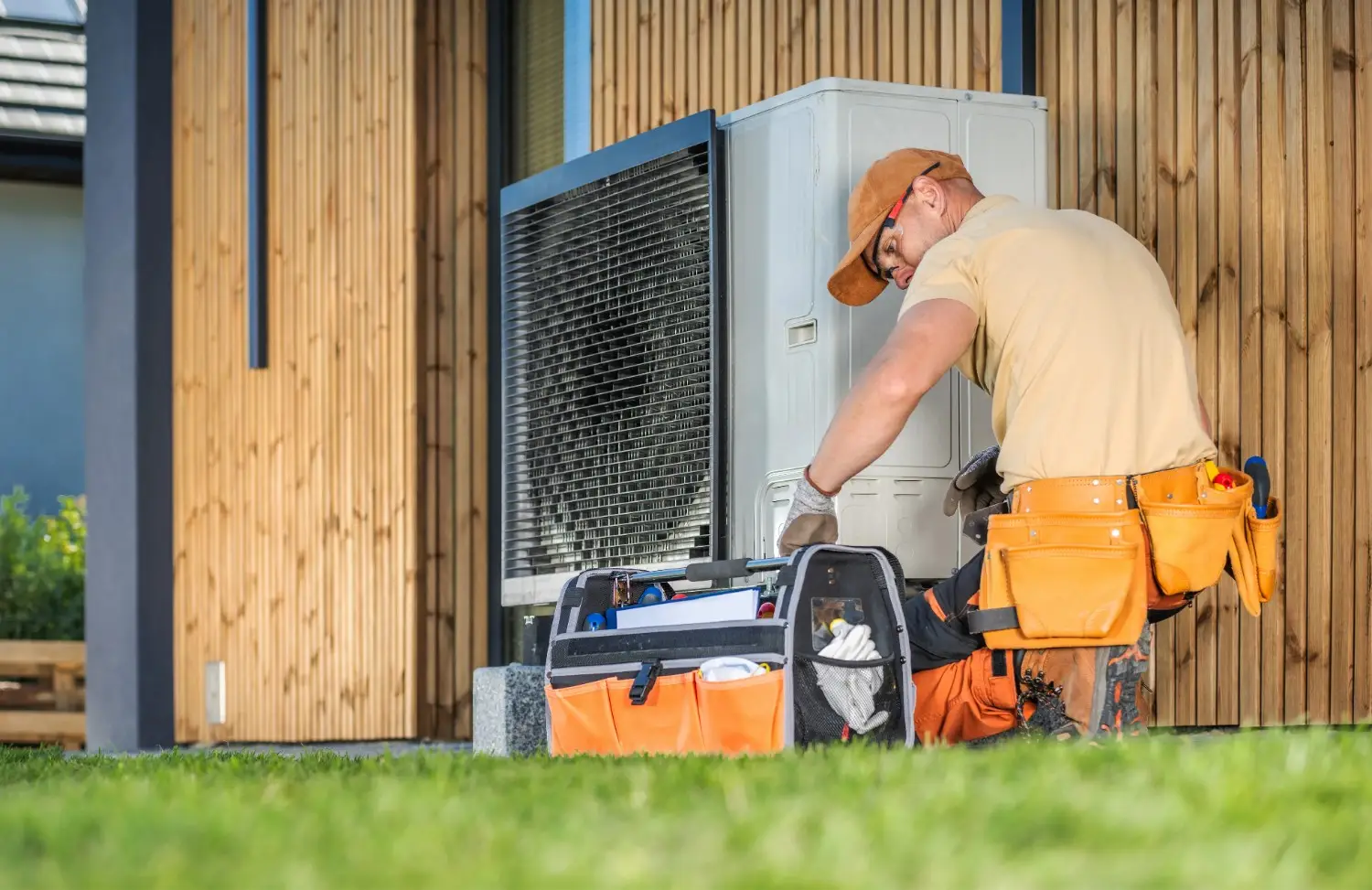
Heat Pump Repair in Roswell, GA
When your heat pump underperforms or stops working, it affects comfort, indoor air quality, and energy bills. In Roswell, GA, where humid summers and mild but occasionally cold winters place year-round demand on HVAC systems, timely heat pump repair protects comfort and reduces long-term operating costs. This page explains the most common heat pump problems in Roswell homes, how technicians diagnose and fix them, typical repair timelines and cost factors, emergency response expectations, warranty considerations, and when replacement is the smarter choice.
Common heat pump issues in Roswell, GA
Most service calls fall into a predictable set of failures. Understanding these helps you recognize symptoms and set expectations for repair.
- Compressor failures: The compressor is the system heart. Signs include weak airflow, warm air on cooling cycles, loud humming, or the unit not turning on. High humidity and frequent cycling in Roswell can accelerate wear.
- Refrigerant leaks: Low refrigerant causes poor cooling or heating and frozen coils. Leaks often occur at fittings, brazed joints, or due to corrosion on outdoor coils, especially in older units.
- Defrost cycle problems: Heat pumps must defrost during cold weather. If defrost controls fail, outdoor coils ice up and performance drops. Symptoms include short cycling and heating loss during cold nights.
- Reversing valve faults: If the reversing valve fails, the system may be stuck in one mode, producing heat when you expect cooling or vice versa.
- Electrical and control failures: Faulty contactors, capacitors, relays, thermostats, and control boards cause intermittent operation, no-start conditions, or safety lockouts.
- Airflow and duct issues: Restricted filters, blocked returns, damaged ductwork, or failing blower motors reduce system efficiency and can lead to icing or overheating.
Diagnostic process: what a professional will do
A thorough, systematic diagnosis prevents unnecessary parts replacement and restores reliable operation.
- Visual and safety inspection: Check for obvious damage, burned connections, tripped breakers, loose panels, and debris around the outdoor unit.
- Operational testing: Run system through heat and cool cycles while monitoring temperatures, pressures, and airflow.
- Electrical testing: Measure voltage, current draw, capacitor health, and continuity on motors and controls to pinpoint failures.
- Refrigerant and pressure checks: Use gauges and leak detectors to verify charge levels and locate any leaks. In Roswell, small leaks can quickly impact performance during high summer loads.
- Defrost and reversing valve checks: Monitor defrost cycles and test reversing valve operation to confirm mode changes are functioning.
- System-level evaluation: Assess ductwork, filters, and thermostat calibration to ensure overall system balance.
Technicians will explain findings, list necessary parts, and describe the expected repair timeline for approval.
Repairs, parts replacement, and warranty information
Repairs range from simple component swaps to major work. Here is how typical solutions are handled.
- Minor electrical and control repairs: Replacing contactors, relays, sensors, capacitors, or thermostats is generally quick and restores normal operation.
- Refrigerant leaks: After locating and repairing the leak, the system is evacuated and recharged to manufacturer specifications. Extensive coil corrosion may require coil or outdoor section replacement.
- Compressor replacement: Swapping a compressor is a significant repair that requires pulling a vacuum and recharging. If the compressor failure is isolated and the rest of the outdoor unit is healthy, replacement can extend service life.
- Reversing valve and defrost control replacement: These components are replaced and recalibrated; technicians verify proper mode switching and defrost timing.
- Coil and cabinet repairs: Damaged outdoor coils or cabinet rust may necessitate partial or full section replacement.
Warranty considerations:
- Manufacturer parts warranty: Most compressors and major components carry manufacturer warranties that vary by model and age. Warranty eligibility depends on registration, installation history, and part serial numbers.
- Labor warranty: Service providers often offer a labor warranty for repairs. Typical labor warranties cover workmanship for a defined short period. Confirm exact coverage and terms before repair.
- Extended parts and performance coverage: Some parts may have prorated coverage or conditional warranties if prior maintenance records are available.
Typical timelines and cost factors
Timelines depend on diagnosis, parts availability, and the scope of repair:
- Same-day fixes: Simple electrical or control replacements and thermostat recalibration are often completed the same day.
- 1 to 3 days: Refrigerant leak repairs or component swaps that require ordering a common part typically take a few days.
- Up to 1 to 2 weeks: Major parts like compressors or specialty coils that must be ordered or matched to older systems can extend repairs.
Cost drivers to expect (described qualitatively):
- Age and condition of the unit: Older systems often require more extensive repairs or obsolete parts.
- Type of failure: Electrical fixes tend to be lower impact; compressor or coil work is more substantial.
- Parts availability: Hard-to-find or obsolete parts increase time and expense.
- Labor complexity: Requiring refrigerant handling, brazing, or system evacuation adds time and skill.
- Access and installation complexity: Roof-mounted, attic, or tightly packed systems take longer to service.
Emergency repair response
Certain failures require expedited attention to protect your home and comfort:
- Complete loss of heating during cold snaps
- Sudden complete loss of cooling during high summer temperatures
- Electrical burning smell, smoke, or tripping breakers indicating a safety hazard
- Major refrigerant leaks that severely degrade performance
Emergency responses prioritize safety and stabilization. Technicians will secure the system, provide temporary fixes where feasible, and outline next steps for full repair or replacement.
When repair is not the best option: replacement guidance
Sometimes replacement is the more cost-effective and reliable solution. Consider replacement if:
- The heat pump is older than 10 to 15 years and facing major failures
- Multiple components have failed in succession
- Repair costs approach or exceed the realistic remaining value of the system
- The system uses discontinued refrigerants or parts that are difficult to source
- You want improved energy efficiency, better humidity control, and more consistent comfort given local Roswell climate demands
A modern replacement improves seasonal efficiency, reduces maintenance frequency, and can solve recurring performance issues caused by outdated equipment or mismatched components.
Ongoing maintenance and local considerations
Regular maintenance extends life and prevents common failures. For Roswell homes, prioritize:
- Seasonal tuneups before summer and before winter heating seasons
- Keeping outdoor units clear of leaves, pollen buildup, and nearby landscaping
- Monitoring thermostat settings and airflow to reduce unnecessary cycling in humid conditions
- Prompt attention to small issues like reduced airflow or higher energy use to prevent major failures
Timely heat pump repair in Roswell, GA, preserves comfort and protects investment. Clear diagnosis, honest assessment of repair versus replacement, and attention to warranties and maintenance keep systems running reliably through hot, humid summers and cooler winter periods.
Customer
Testimonials


Service Areas