
Heat Pump Installation in Roswell, GA
.webp)
Heat pump installation in Roswell, GA covers every stage from initial load assessments to final handover. Proper sizing, model selection, and pre-install checks directly affect comfort, humidity control, and energy efficiency in the region’s hot, humid climate. The process includes refrigerant handling, wiring, ductwork, and commissioning, with close attention to permitting, code compliance, and performance testing. Financing options, warranties, and maintenance practices are also highlighted to ensure long-term system reliability for Roswell homeowners.
Heat Pump Installation in Roswell, GA
Installing a heat pump in Roswell, GA is one of the most effective ways to cut energy bills, improve year round comfort, and manage indoor humidity in our hot, humid climate. Because Roswell homes run cooling-dominant systems for long summer months and only occasional heating in winter, choosing the right heat pump and installing it correctly matters more here than in colder regions. This page explains the full installation process — from home load assessments and model selection to permitting, commissioning, and handed-over warranties — so you know what to expect and how a properly installed system will perform in Roswell, GA.
Common heat pump issues Roswell homeowners face
- Oversized or undersized systems that cycle too frequently or fail to meet comfort needs during hot, humid afternoons.
- Excess humidity during cooling seasons when equipment does not provide adequate dehumidification.
- Poor indoor airflow due to undersized ducts, leaky plenums, or restrictive returns common in older Roswell houses.
- High summer run times driven by inadequate attic insulation or sun-exposed rooms.
- Short warranty coverage or missing documentation after installation.
Home load assessment and correct sizing
A professional installation begins with a detailed heat load assessment (often called Manual J). This is not a rough rule of thumb by square footage. It accounts for:
- Orientation and sun exposure of the home
- Insulation levels, window types, and air leakage
- Attic ventilation and shading
- Number and use of occupants and major appliances
In Roswell, the assessment will emphasize cooling loads and moisture control because high summer humidity increases latent load. Proper sizing prevents short cycling, improves dehumidification, and maximizes system efficiency.
Recommended energy-efficient models and metrics
When considering systems for Roswell homes, look for:
- ENERGY STAR rated heat pumps with high SEER (Seasonal Energy Efficiency Ratio) and high HSPF (Heating Seasonal Performance Factor) or the updated SEER2/HSPF2 labels. Higher ratings mean lower operating costs.
- Variable-speed compressors and multi-stage blowers for better humidity control and quieter operation during long cooling seasons.
- Models with advanced refrigerants and quality corrosion-resistant outdoor coils to withstand humid conditions.
- Ductless mini-splits for room additions, finished basements, or homes without existing ductwork; these provide zoned comfort and efficient cooling.
Choosing between a ducted and ductless system depends on your existing HVAC infrastructure, budget, and comfort priorities for humidity control.
Site preparation and pre-install checks
Before installation, technicians will:
- Inspect existing ductwork, registers, and return locations and recommend repair or sealing where needed.
- Verify electrical service and panel capacity for the new unit and upgrade wiring or breakers if required.
- Evaluate outdoor unit location for airflow, shading, noise mitigation, and HOA or neighborhood guidelines common in Roswell historic and suburban areas.
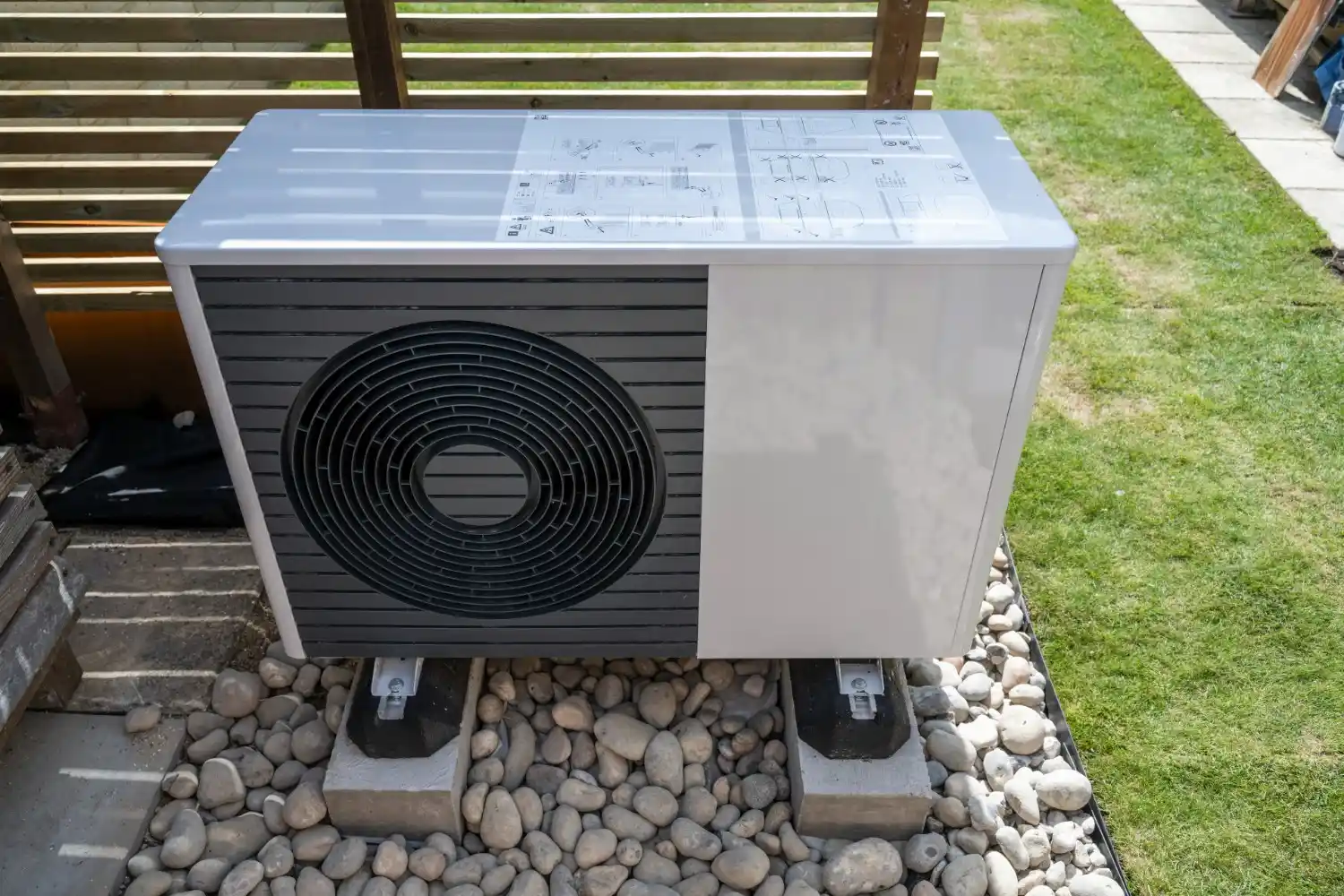
- Prepare a concrete pad or vibration-isolating brackets for the outdoor unit to prevent settling and reduce noise transfer.
- Confirm drain pathways and condensate management to prevent moisture intrusion in humid months.
Professional installation steps
A typical installation sequence includes:
- Finalizing system sizing and equipment choice after load calculations.
- Removing old equipment safely, recovering refrigerant according to EPA rules.
- Installing the outdoor condenser and indoor air handler or evaporator coil, including proper mounting and clearances.
- Running refrigerant lines, condensate lines, and thermostat/control wiring with attention to routing through attics or crawlspaces to minimize exposure to heat and moisture.
- Connecting electrical feeds and grounding to meet local code.
- Sealing and insulating refrigerant lines and duct transitions to prevent energy loss.
- Performing initial charging and startup procedures.
Technicians certified to handle refrigerants and electrical work should perform each step to ensure system safety and longevity.
Permitting and code compliance
Heat pump installations in Roswell require compliance with Georgia building codes and local permitting. Key points:
- Permits and inspections ensure proper electrical connections, refrigerant handling, and safe condensate management.
- Installers must follow HVAC sizing and ductwork standards and adhere to local noise and setback ordinances that may apply in historic or neighborhood association areas.
- Technicians handling refrigerants must follow EPA certification and refrigerant disposal rules.
Proper permitting prevents costly rework and provides documentation useful for warranty and resale.
Commissioning and performance testing
True commissioning proves the system was installed and operates to specifications. Typical tests include:
- Verifying refrigerant charge using superheat and subcooling methods.
- Measuring airflow (CFM per ton) and adjusting blower speeds or duct registers.
- Checking static pressure across the system and sealing any high-leak areas found.
- Recording electrical amperage, voltage, and starting currents.
- Measuring temperature split and delta T across the coil to validate cooling performance.
- Confirming thermostat operation, control settings, and any zoning functions.
- Ensuring proper condensate drainage and testing for leaks.
Installers should provide a performance report documenting these values so you have proof the system meets expected operating parameters in Roswell conditions.
Rebates, incentives, and financing options
There are frequently federal, state, and utility incentives for high-efficiency heat pumps and envelope improvements that reduce overall costs. Common options include:
- Federal tax credits or energy efficiency credits for qualified heat pumps and related upgrades.
- Local utility rebates for installing ENERGY STAR equipment or demand reduction programs during summer peak seasons.
- Manufacturer rebates or promotional financing for qualifying models.
- Financing through energy-efficient loan programs or Property Assessed Clean Energy style options in some jurisdictions.
Eligibility and available programs change over time, so verifying current incentives with local authorities, utilities, and manufacturers is recommended before finalizing equipment selection.
Warranty, maintenance handover, and long term care
A proper handover includes:
- Providing manufacturer warranties and installation workmanship documentation.
- Registering the equipment for warranty coverage when required.
- A clear maintenance schedule for seasonal tune-ups, filter replacement frequency, and coil cleaning to preserve efficiency in Roswell humidity.
- Instructions on thermostat programming and humidity setpoints to balance comfort and efficiency.
- A final permit closure and inspection record as proof of code compliance.
Regular maintenance in Roswell is critical to control humidity, avoid coil corrosion, and maintain peak efficiency during long cooling seasons.
Final notes on benefits and upkeep
A correctly sized and professionally installed heat pump in Roswell, GA will deliver quieter operation, better humidity control during sticky summers, reliable heating during mild winters, and measurable energy savings. Prioritizing a thorough load assessment, choosing high-efficiency equipment with variable-speed capability, and insisting on full commissioning and documented handover will protect performance and warranty value for years to come. Regular seasonal maintenance tailored to Roswell’s climate keeps the system running efficiently and extends equipment life.
Customer
Testimonials


Service Areas