

Heat Pump Replacement in Roswell, GA
.webp)
Heat pump replacement in Roswell, GA involves evaluating system age, repair history, efficiency, refrigerant type, and ductwork condition to determine the right time for an upgrade. Available options include SEER10+ high-efficiency systems, inverter technology, ductless mini-splits, hybrid units, and geothermal solutions. The process covers diagnostics, removal, installation, timelines, cost considerations, energy savings, ROI, and warranty details, with ongoing support to ensure reliable comfort and long-term performance.
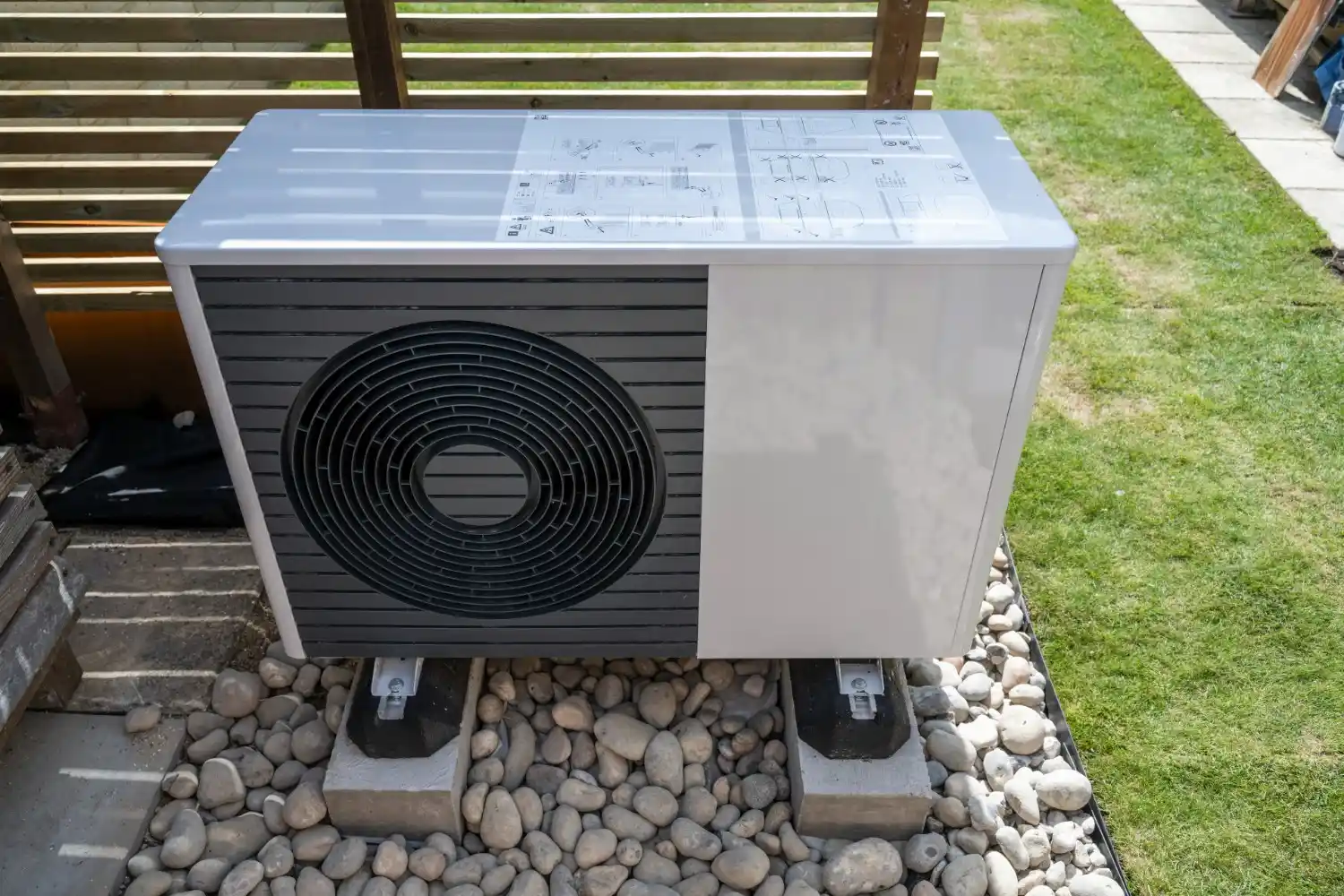
Heat Pump Replacement in Roswell, GA
Replacing an aging or failing heat pump is one of the most effective ways to restore comfort, lower energy bills, and improve indoor air quality in Roswell, GA homes. With hot, humid summers and mild winters, heat pumps are a common and efficient solution here — but units older than 10 to 15 years or those with repeated repairs often cost more to operate and can leave homes uncomfortable during peak summer or cold snaps. This page explains how professionals evaluate the need for replacement, what upgraded high-efficiency options are available, the removal and disposal process, realistic timelines and cost factors, expected energy savings and return on investment, plus the post-installation support and warranties you should expect.
When to consider heat pump replacement in Roswell, GA
Key evaluation criteria used to decide whether to replace rather than repair include:
- Age: Most heat pumps last 10 to 15 years. Older units typically use outdated refrigerants and lower efficiency components.
- Repair history: Frequent compressor, reversing valve, or refrigerant leaks signal impending failure and rising repair costs.
- Efficiency and performance: Falling capacity, short cycling, rising electric bills, and poor humidity control indicate reduced efficiency. Older systems often have SEER ratings under 10 compared to modern units rated 15 to 22.
- Refrigerant type: Units that use R-22 are expensive to service due to phasedown rules, making replacement more cost effective.
- Ductwork and airflow: Even a healthy heat pump will underperform with leaky, undersized, or poorly insulated ducts common in Roswell attics and older homes.
Common heat pump problems in Roswell homes
- Inconsistent cooling during humid summer months
- Long runtimes with inadequate temperature control
- Unusual noises from the compressor or indoor blower
- Frosting or icing on the outdoor coil during winter
- Rising electricity bills despite normal usage
- Refrigerant leaks or failed compressors
Diagnostic process and pre-replacement assessments
A professional replacement begins with a thorough evaluation:
- Visual inspection of indoor and outdoor units and ductwork
- Load calculation (Manual J) to size the proper system for your home and Roswell climate
- Airflow measurement and static pressure testing
- Electrical and breaker capacity check
- Refrigerant charge and leak assessment
- Review of thermostat compatibility and zoning needs
Proper sizing in Roswell is crucial. Oversized systems cycle frequently and struggle with humidity control, while undersized units struggle during heat waves.
Upgraded high-efficiency options for Roswell, GA
Upgrading gives you choices tailored to local climate and home needs:
- High-SEER air-source heat pumps: Modern single-stage, two-stage, or variable-speed compressors with SEER ratings from mid teens to low twenties, improving cooling efficiency and humidity control.
- Inverter-driven variable-speed systems: Adjust capacity continuously to match load, providing better comfort, quieter operation, and lower energy use in Roswell’s variable temperatures.
- Ductless mini-splits: Ideal for room additions, condos, or homes with poor ductwork; provide zoned control and high efficiency.
- Hybrid systems: Pairing a heat pump with a gas furnace can be an option where supplemental heating is desired, though Roswell’s mild winters often allow a heat pump-only solution.
- Geothermal heat pumps: Highly efficient and stable, but involve larger upfront cost and ground loop installation that makes them less common in established Roswell neighborhoods.
Factors for selecting equipment include SEER and HSPF ratings, variable-speed blower motors for humidity control, and compatibility with smart thermostats and zoning systems.
Removal and disposal of old equipment
Proper removal protects health and complies with regulations:
- Disconnect electrical power and safely recover refrigerant per EPA rules
- Remove outdoor condensing unit and indoor coil or air handler
- Reclaim and recycle refrigerant and scrap metal components
- Cap or remove copper lines and restore penetrations to prevent pests
- Proper disposal of filters, insulation, and nonrecyclable materials according to local waste handling
Using certified technicians ensures refrigerant recovery and disposal meet federal and Georgia-specific requirements.
Expected cost and timeline
Costs vary based on system type, home size, ductwork condition, and equipment quality. Typical ranges:
- Standard air-source heat pump replacement: approximate range depending on home size and equipment level
- Ductless mini-split systems: higher per-zone costs but avoid ductwork repairs
- Geothermal installs: significantly higher initial cost and longer timeline due to ground loop work
Timeline:
- Initial evaluation and load calculation: usually completed within a few days
- Equipment ordering and permitting (if required): 1 to 3 weeks depending on model availability
- Standard replacement and startup: generally 1 to 3 days for a straight swap of matched equipment
- Complex jobs (duct modifications, new electrical, or geothermal): can take several days to a few weeks
Actual costs and timelines depend on specific home conditions, chosen equipment, and local permit processes.
Energy savings and return on investment
Replacing an older heat pump with a modern high-efficiency system delivers measurable savings:
- A unit with an old SEER of 8 to 10 replaced by a 16 to 20 SEER model can reduce cooling energy use substantially, commonly 20 to 40 percent or more, with better humidity control during Roswell summers.
- Savings translate to shorter payback periods when coupled with lower maintenance and fewer repairs.
- Real-life ROI depends on your current energy costs, usage patterns, and the scope of the upgrade (duct sealing, insulation improvements increase savings).
Example: if annual heating and cooling costs are moderate, and you achieve a 30 percent reduction in energy use, you can estimate multi-year payback on the investment depending on the final installed cost.
Post-installation support and warranties
After installation, expect:
- Manufacturer warranties on compressor and major components, commonly 5 to 10 years for parts and longer for compressors on some models
- A workmanship or labor warranty from the installing technician, often 1 to 5 years
- System commissioning and performance verification, including refrigerant charge checks and airflow balancing
- Recommendations for ongoing maintenance: seasonal tune-ups, coil and filter cleaning, refrigerant leak checks, and thermostat calibration
- Options for maintenance agreements that include priority service and reduced repair costs
Regular maintenance is especially important in Roswell where high humidity and attic heat can stress systems.
Final considerations for Roswell homeowners
When evaluating replacement, consider long-term comfort, local climate demands, ductwork condition, and the value of modern features like variable-speed operation and smart controls for humidity management. A properly sized, high-efficiency heat pump paired with sealed ducts and routine maintenance will provide reliable comfort through Roswell summers and mild winters while reducing operating costs and extending service life.
Customer
Testimonials


Service Areas