

Heat Pump Tune-Up in Gainesville, GA
.webp)
Heat pump tune-up services in Gainesville, GA are designed to keep systems running at peak efficiency and reliability throughout the year. Gainesville’s humid climate puts added strain on heat pumps, making routine maintenance essential to prevent issues like dirty coils, restricted airflow, refrigerant leaks, and electrical faults. A professional tune-up includes a detailed maintenance checklist with cleaning, testing, and calibration of major components, along with diagnostic checks to catch small problems before they become costly repairs. Typical visits are completed within a few hours, and homeowners are encouraged to follow simple care steps—such as timely filter replacement—between visits. Biannual service helps ensure consistent comfort, improved energy efficiency, and extended equipment life.
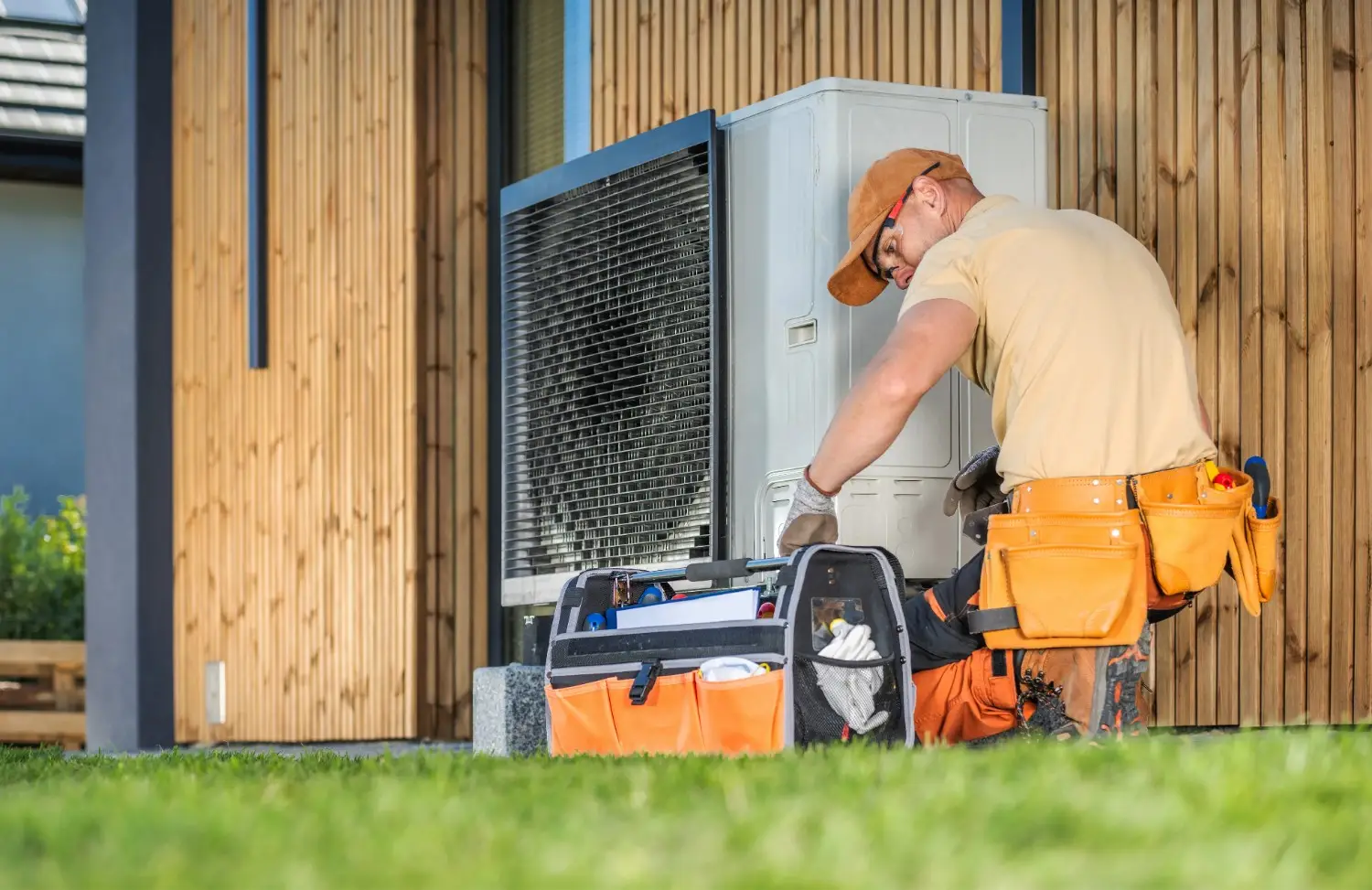
Heat Pump Tune-up in Gainesville, GA
A professional heat pump tune-up in Gainesville, GA keeps your heating and cooling system running efficiently through hot, humid summers and the occasional cold snap. Regular tune-ups reduce breakdowns, lower energy bills, and extend equipment life—especially important in Gainesville where high humidity, pollen, and storm-related power fluctuations place extra stress on heat pumps. If your home depends on a heat pump year-round, a focused seasonal service plan helps avoid emergency repairs when you need comfort most.
Why a tune-up matters for Gainesville homes
Gainesville’s climate means your heat pump works hard: cooling during long, humid summers and reversing to heat in winter. That workload, combined with airborne pollen and frequent thunderstorms, leads to common problems like dirty coils, clogged filters, refrigerant loss, and electrical stress. A tune-up addresses small issues before they become costly failures.
Common problems a tune-up prevents or discovers
- Dirty evaporator or condenser coils that reduce heat transfer and force longer run times
- Restricted airflow from clogged filters or obstructed ductwork
- Refrigerant leaks that lower capacity and damage compressors
- Loose or corroded electrical connections that cause intermittent operation or safety faults
- Thermostat miscalibration leading to comfort complaints and wasted energy
- Worn moving parts (fans, motors) that create noise or fail unexpectedly
Seasonal checklist: what a typical heat pump tune-up includes
A thorough tune-up follows a standardized checklist to ensure safe, efficient operation. Typical tasks completed by a trained technician:
- Coil and filter cleaning: Remove dirt, pollen, and debris from indoor evaporator and outdoor condenser coils; clean or replace air filters to restore proper airflow.
- Refrigerant check: Verify refrigerant charge and inspect for leaks; low charge reduces efficiency and risks compressor damage.
- Electrical inspection: Tighten terminals, inspect contactors and capacitors, test voltage and amperage to ensure components are operating within manufacturer specs.
- Thermostat calibration: Confirm thermostat accuracy and compatibility with your heat pump controls; adjust settings for optimal cycling.
- Lubrication: Lubricate motors and bearings where applicable to reduce wear and noise.
- Airflow testing: Measure static pressure and airflow through the system to detect duct restrictions or improper fan speeds.
- Safety and controls check: Test defrost cycle operation, reversing valve function, safety switches, and outdoor fan operation.
- Performance verification: Record operating temperatures and pressures and compare to manufacturer guidelines to confirm proper capacity and efficiency.
What the technician diagnoses and how
During a tune-up, technicians use both visual inspection and diagnostic tools to assess system health:
- Refrigerant gauges and temperature probes identify undercharge or overcharge conditions.
- Electrical meters measure current draw and voltage to reveal failing motors or stressed components.
- Coil inspections and micron-level filter checks quantify cleanliness and potential airflow loss.
- Pressure and superheat/subcooling readings show how well the system is transferring heat and whether leaks exist.
- Thermostat and control tests confirm communication between indoor and outdoor units.
These diagnostics let the technician prioritize repairs—safety concerns and refrigerant leaks are handled first, while efficiency upgrades or noncritical parts are recommended for later.
Benefits of regular heat pump tune-ups
- Lower energy costs: Clean coils, proper refrigerant charge, and correct airflow reduce run times, cutting utility bills.
- Improved comfort: Accurate thermostat control and full-capacity operation maintain steady temperatures and humidity control.
- Greater reliability: Preventive maintenance identifies worn parts before they fail, reducing emergency service calls during peak seasons.
- Longer equipment life: Proper lubrication, tightened connections, and balanced operation lessen wear on critical components.
- Preservation of warranties: Many manufacturers require documented maintenance to keep warranties valid.
- Improved indoor air quality: Clean filters and coils reduce dust and pollen recirculation—a key factor in Gainesville homes during pollen season.
Recommended frequency for Gainesville, GA
Because Gainesville experiences both heavy cooling demand and seasonal pollen, the best practice is:
- Professional tune-up twice a year: once in spring (pre-cooling season) and once in fall (pre-heating season). This ensures the system is ready for the highest demand periods.
- Filter checks monthly during pollen season or every 1–3 months otherwise; change or clean as needed.
- If your unit is older than 10 years, consider more frequent inspections to catch age-related issues.
What to expect during a service visit
A typical tune-up visit lasts about 45 to 90 minutes depending on system size and condition. The technician will:
- Inspect indoor and outdoor components
- Perform the checklist tasks and diagnostic tests
- Note any immediate repairs or parts that may be needed soon
- Provide a service summary outlining findings and recommended next steps
Technicians in Gainesville will also look for local issues—such as vegetation encroaching on the outdoor unit, debris buildup from nearby trees, and signs of storm-related electrical damage—that are common in this area.
Homeowner maintenance tips between tune-ups
- Replace or clean filters monthly during high-pollen months.
- Keep 2–3 feet of clearance around the outdoor unit; trim back shrubs and remove debris after storms.
- Watch for changes: louder noises, reduced airflow, higher bills, or uneven temperatures signal it’s time for service.
- Protect during storms: if heavy lightning or flooding occurs, have electrical components inspected before resuming normal use.
- Schedule pre-season service to avoid peak-season delays and maintain warranty compliance.
A well-documented tune-up approach tailored to Gainesville, GA conditions keeps your heat pump efficient, reliable, and ready for whatever the season brings. Follow a biannual professional schedule with regular filter attention to protect comfort and control costs year-round.
Customer
Testimonials


Service Areas