
Heat Pump Maintenance in Gainesville, GA
.webp)
This page outlines comprehensive heat pump maintenance for Gainesville, GA homes, emphasizing proactive planning to prevent breakdowns, preserve efficiency, and extend equipment life. It covers common issues such as restricted airflow, dirty coils, condensate problems, and electrical faults, and explains tiered maintenance plans, scheduling considerations, and the value of thorough inspections. It also provides practical tips for homeowners and highlights how prioritized service and detailed records support warranties, resale value, and reliable performance through seasonal demands for ongoing homeowner confidence.
Heat Pump Maintenance in Gainesville, GA
A well-maintained heat pump keeps your Gainesville, GA home comfortable year-round while lowering energy bills and preventing costly breakdowns. In Humid subtropical climates like Gainesville, heat pumps run throughout both hot, humid summers and mild winters. That continuous use, combined with high pollen, frequent storms, and seasonal humidity, creates specific maintenance needs. A clear, proactive heat pump maintenance plan in Gainesville, GA protects performance, preserves warranties, and extends equipment life.
Why regular heat pump maintenance matters in Gainesville
- High humidity and airborne pollen increase coil fouling and condensate drainage issues.
- Frequent storms and tree cover can clog outdoor units with debris, reducing airflow.
- Continuous year-round operation causes wear on moving parts and controls.
- Neglected systems lose efficiency, which raises monthly energy costs and shortens equipment life.
Investing in a maintenance plan avoids emergency repairs, preserves heating and cooling capacity, and provides documented proof of service for warranty or resale.
Common heat pump maintenance issues in Gainesville, GA
- Restricted airflow from dirty filters, ducts, or blocked outdoor coils, causing reduced capacity and higher energy use.
- Dirty or corroded coils from pollen and humidity that reduce heat transfer efficiency.
- Condensate drain problems and mold growth under humid conditions, leading to water damage or system shutdowns.
- Refrigerant leaks which lower system performance and can damage the compressor if left untreated.
- Electrical and control faults from repeated cycling and lightning or surge exposure during summer storms.
- Fan motor, capacitor, or compressor wear caused by continuous seasonal operation.
- Thermostat calibration and sensor drift that create uneven temperatures and short cycling.
Maintenance plans and agreement options
Maintenance offerings typically scale to match your priorities and the age of your equipment. Common plan tiers include:
- Basic Tune-up (annual): Filter check and replacement, visual inspection, basic cleaning, thermostat check, and a short report.
- Standard Maintenance (biannual recommended): Everything in Basic plus coil cleaning, refrigerant pressure check, electrical tests, lubrication, condensate verification, and performance measurements.
- Comprehensive Plan (biannual + priority benefits): All Standard tasks plus priority scheduling, detailed inspection reports with photos and measured values, seasonal pre-checks, parts discounts, and documented service history.
For Gainesville homes, a biannual schedule (spring and fall) is recommended because it prepares the system for heavy cooling loads and preps for winter heating. Plans should be customizable by system age, manufacturer warranty needs, and homeowner preferences.
What a professional maintenance visit includes
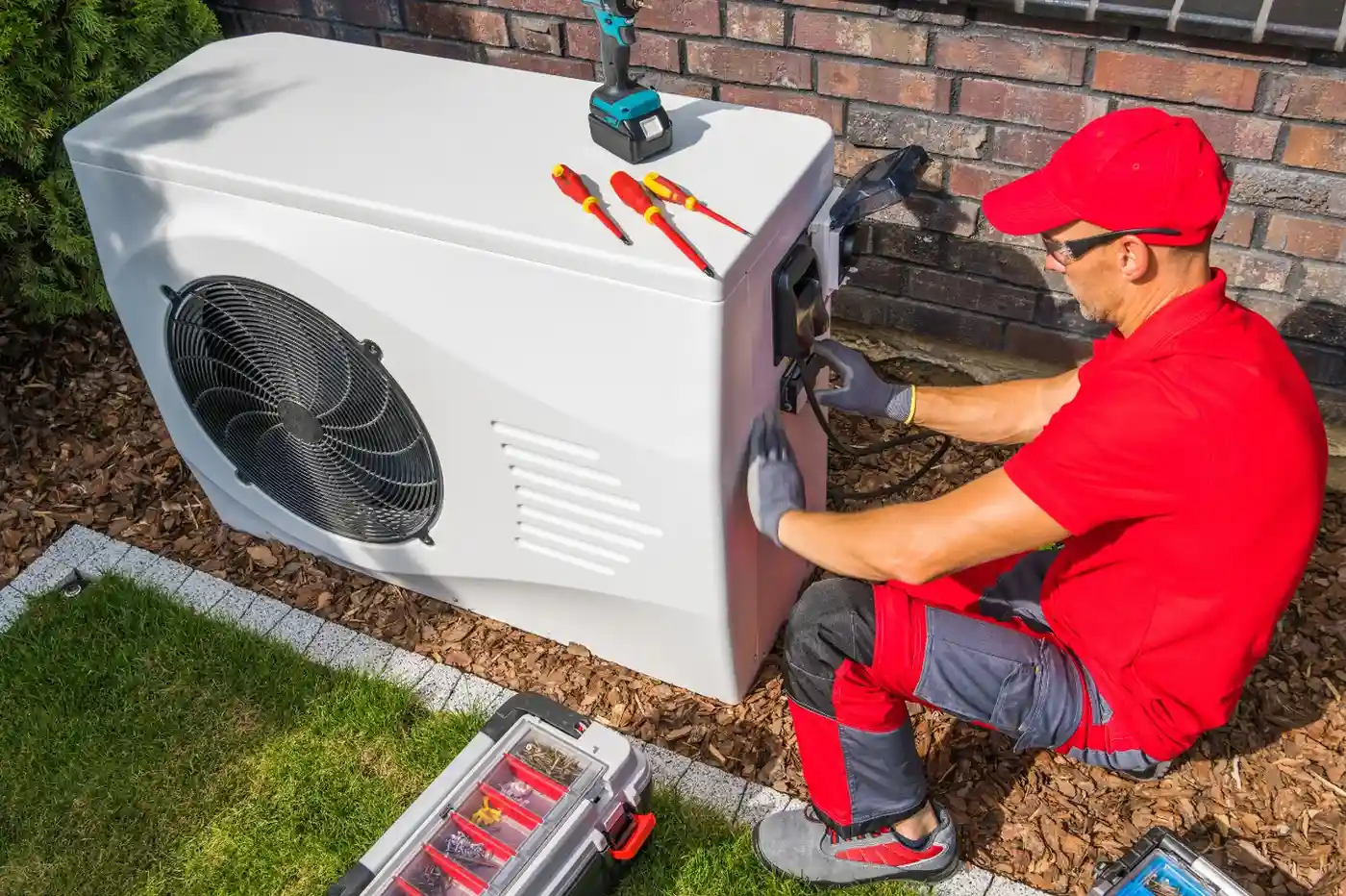
A thorough maintenance visit focuses on diagnostics, cleaning, minor adjustments, and documentation:
- Initial system review
- Confirm system model, age, and warranty status.
- Review past service records and homeowner observations.
- Operational assessment
- Run system in heating and cooling modes to verify proper cycling and noise levels.
- Measure supply and return temperatures to calculate performance delta T.
- Electrical and safety checks
- Test capacitors, contactors, relays, and wiring connections.
- Inspect and test safety controls and reversing valve operation.
- Refrigerant and pressure diagnostic
- Measure refrigerant pressures and temperatures to detect leaks or undercharge.
- Inspect for oil stains and other signs of leakage.
- Airflow and duct inspection
- Check and replace filters, assess blower wheel and motor, and verify static pressure if needed.
- Inspect accessible ductwork for leaks or disconnections.
- Coil and coil-fin maintenance
- Clean outdoor condenser coil and indoor evaporator coil as needed.
- Straighten fins and ensure free airflow.
- Condensate and drain checks
- Clear and sanitize condensate drain and trap; verify proper drainage to prevent mold or water damage.
- Detailed inspection report
- Provide documented findings: photos, measured pressures and temperatures, performance recommendations, and prioritized repair list.
Priority scheduling and record-keeping benefits
A maintenance agreement with priority scheduling ensures faster response times during high-demand periods like summer heatwaves. For Gainesville homeowners, this means less downtime when temperatures spike.
Comprehensive record-keeping matters for several reasons:
- Warranties often require documented maintenance at specified intervals.
- A detailed service history helps technicians diagnose recurring problems faster.
- Records improve resale value by showing consistent upkeep.
- Digital logs with serial numbers, inspection dates, measured values, and photos create transparency and build confidence in long-term equipment health.
Repair, replacement guidance, and long-term savings
Preventive maintenance reduces the likelihood of sudden component failures and can delay major replacements. Typical repair recommendations after inspections include:
- Refrigerant recharge and leak repair when needed
- Fan motor or capacitor replacement to restore reliable operation
- Condensate line repair or re-routing to solve persistent drainage issues
- Duct sealing to improve airflow and system balance
Compared to reactive repairs, proactive maintenance lowers total ownership costs by improving efficiency, reducing emergency labor rates, and avoiding early compressor or coil replacement. For Gainesville homes, resolving airflow and drainage problems quickly is especially cost-effective given the region's humidity and pollutant load.
Practical maintenance tips for Gainesville homeowners
- Replace or clean filters every 1 to 3 months during peak pollen seasons.
- Keep at least 2 feet of clearance around outdoor units and trim vegetation after storms.
- Schedule tune-ups in spring and fall to prepare for seasonal demand changes.
- Monitor monthly energy bills for unexplained increases that could indicate declining efficiency.
- Keep a physical or digital folder with inspection reports, service receipts, and equipment serial numbers.
Final considerations
A tailored heat pump maintenance plan in Gainesville, GA focuses on the climate-driven problems that affect comfort, energy costs, and equipment life. Whether you choose annual or biannual visits, the value comes from consistent diagnostic testing, documented inspections, priority scheduling during peak seasons, and a maintenance history that protects warranties and resale value. Regular upkeep is the most reliable way to keep your heat pump running efficiently and reliably in Gainesville homes.
Customer
Testimonials


Service Areas