
Heat Pump Repair in Gainesville, GA
.webp)
Heat pump repair in Gainesville, GA page outlines common failure symptoms, on-site diagnostic procedures, emergency and same-day repair options, typical replacement parts, and how pricing and warranties work. It emphasizes proactive maintenance to prevent breakdowns in humid Georgia conditions and explains step-by-step diagnostics, upfront estimates, and transparent warranties. The content also offers practical tips for reducing future outages, such as filter maintenance, regular tune-ups, proper airflow, and protecting outdoor components to extend system life. Learn how to keep your heat pump reliable year-round.
Heat Pump Repair in Gainesville, GA
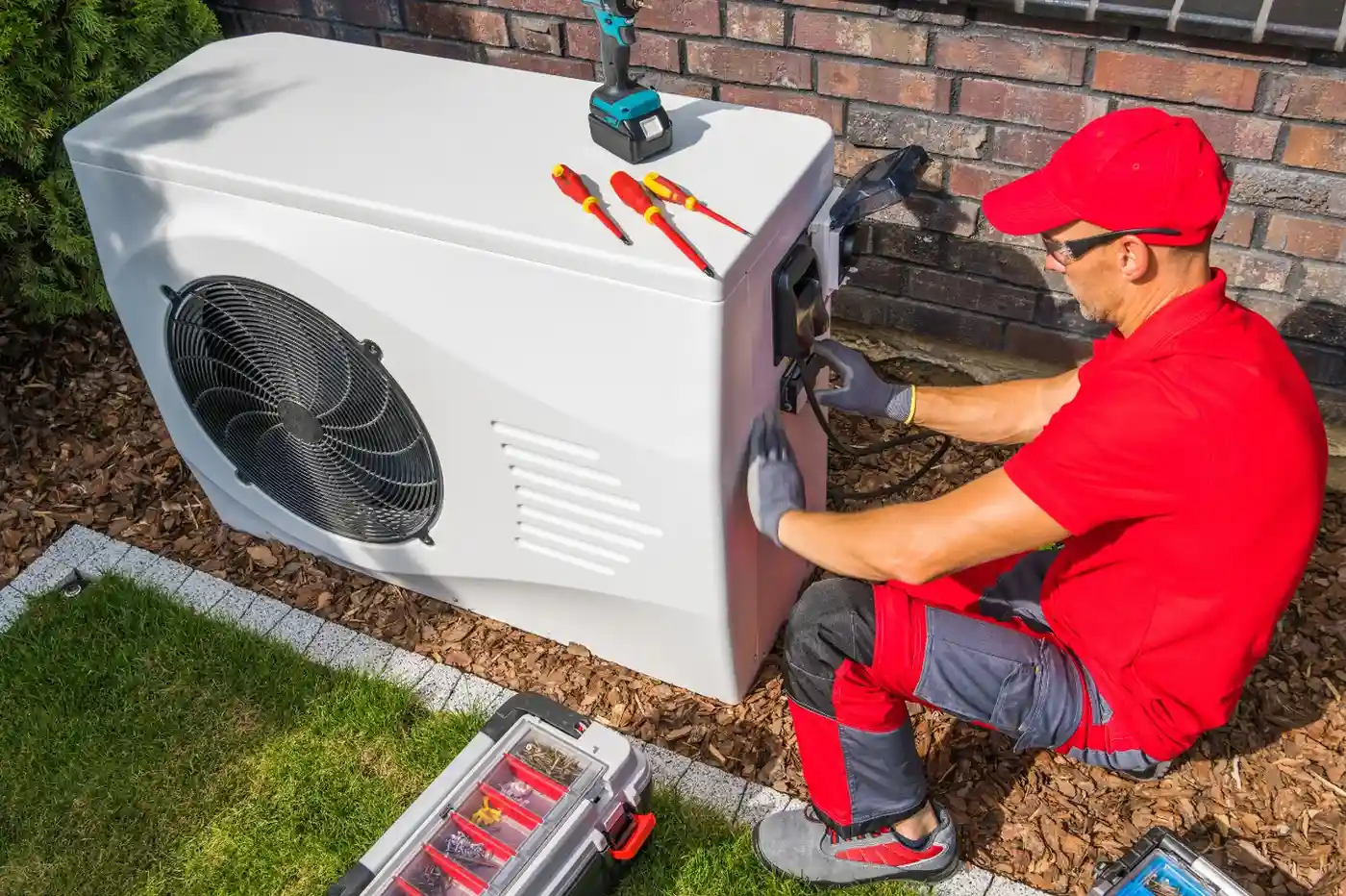
A malfunctioning heat pump in Gainesville, GA disrupts comfort fast. Hot, humid summers and mild, changeable winters here mean many homes use heat pumps year-round for both cooling and heating. That continuous use increases wear and raises the risk of sudden failures at inconvenient times. This page explains common heat pump problems in Gainesville, on-site diagnostic steps, emergency and same-day repair options, typical parts replaced, how pricing and warranties are handled, and practical tips to reduce future breakdowns.
Common failure symptoms in Gainesville homes
Recognizing early symptoms helps prevent complete system failure. Look for:
- Reduced cooling or heating capacity — Home feels warmer in summer or cooler in winter despite normal thermostat settings.
- Frequent short cycling — The unit turns on and off rapidly, which stresses components.
- Rising electricity bills — A failing compressor, refrigerant leak, or dirty coils can lower efficiency.
- Unusual noises — Grinding, buzzing, or banging often indicate motor, fan, or compressor problems.
- Ice buildup on the outdoor unit — Common in humid or variable winters; signals airflow or refrigerant issues.
- Poor airflow from vents — Clogged filters, failing blower motors, or duct issues reduce delivery.
- Water leaks or excessive condensation — Blocked drain lines or failed condensate pumps cause water intrusion.
- Thermostat or control failures — Faulty sensors or controls lead to incorrect cycle times.
These symptoms are especially relevant in Gainesville where high humidity, pollen, and heat place extra strain on heat pump systems.
On-site diagnostic procedures
A thorough diagnostic is the foundation of reliable repair. Typical on-site steps include:
- Visual inspection of outdoor and indoor units for dirt, damage, and obvious wear.
- Checking refrigerant pressure and inspecting for leaks with approved detectors.
- Measuring electrical current and voltages to motors, compressors, and control circuits.
- Testing thermostat calibration and control signals.
- Evaluating airflow: inspecting filters, coils, ductwork, and blower operation.
- Running a full operational test to observe cycle behavior, noise, and temperature differentials.
Technicians document findings and provide an itemized explanation of root causes and recommended repairs. For Gainesville homes, diagnostics often include attention to corrosion or insect nests around outdoor coils and checks for pollen-related filter restrictions.
Emergency and same-day repair options
Because heat pumps often serve as primary climate control in Gainesville, fast response options are common. Emergency and same-day repair protocols generally include:
- Prioritizing systems that affect health and safety, such as those serving vulnerable occupants or showing electrical risks.
- On-site triage to stabilize the system temporarily if a permanent repair cannot be completed immediately.
- Carrying common replacement parts for compressors, capacitors, contactors, and fan motors to complete many repairs the same day.
- Scheduling follow-up work for complex issues that require special-order components.
Expect emergency response to focus first on making the system safe and restoring essential operation, with full diagnostic reports provided before further work is done.
Typical parts replaced during heat pump repair
Common parts that fail due to age, wear, or weather-related stress include:
- Compressor and compressor start components
- Capacitors and contactors
- Reversing valves (common in two-stage reverse cycle heat pumps)
- Refrigerant lines and fittings due to leaks or corrosion
- Expansion devices and TXV valves
- Fan motors and blower assemblies
- Evaporator or condenser coils that are damaged or severely corroded
- Thermostats, sensors, and control boards
- Condensate pumps and drain components
In Gainesville, rust and corrosion from humidity can accelerate coil and fitting failures, so those parts are more frequently inspected and replaced.
Transparent pricing estimates and warranty information
Transparent estimates mean you receive a clear, itemized explanation before any repair proceeds. Expect the following elements in a transparent pricing approach:
- An initial diagnostic fee explained up front and applied toward repair if authorized
- An itemized estimate that separates labor, parts, and any applicable permits or disposal fees
- Clear notes when special-order parts or extended labor will affect timelines
- Explanation of warranty coverage for replaced parts and labor, including manufacturer warranty details when applicable
- Documentation of replaced parts and serial numbers for warranty claims
Warranty lengths and terms vary by part manufacturer and by installation history; documentation should always be provided so homeowners in Gainesville can verify coverage and retain records for local building code requirements.
Tips to avoid future breakdowns in Gainesville homes
Regular maintenance reduces failures and extends heat pump life, especially in north Georgia conditions:
- Replace or clean filters every 1 to 3 months during heavy pollen or use periods.
- Schedule professional tune-ups at least twice a year: once before cooling season and once before heating season.
- Keep the outdoor unit clear of debris, leaves, and mowing clippings; maintain 2 to 3 feet of clearance.
- Inspect and clean coils annually to prevent efficiency loss from pollen and grime buildup.
- Ensure proper refrigerant charge and address leaks promptly to avoid compressor damage.
- Check and seal ducts to maintain airflow and reduce strain on the blower.
- Use a programmable thermostat and avoid extreme setpoint swings that cause short cycling.
- Protect outdoor components from storm damage and shield wiring from pests common to the region.
Consistent preventive care is particularly important in Gainesville, where humid summers and variable shoulder seasons increase thermal cycling and component stress.
Final considerations
Timely repair and clear diagnostics keep heat pumps running efficiently and reliably in Gainesville, GA. Understanding failure symptoms, what a thorough diagnostic entails, common replacement parts, and how transparent pricing and warranties are handled empowers homeowners to make informed decisions. Regular seasonal maintenance focused on pollen, humidity, and airflow issues will reduce emergency repairs and extend system life in local conditions.
Customer
Testimonials


Service Areas