

Heat Pump Installation in Gainesville, GA
.webp)
Heat pump installation in Gainesville, GA is presented as a comprehensive, standards-driven service that covers every step from on-site consultations and load calculations to permitting, careful installation, and commissioning. The guide emphasizes proper sizing, ductwork assessment, and refrigerant charge to ensure efficiency and reliability in Georgia's hot, humid climate. It also outlines available rebates, financing options, timelines, warranties, and ongoing maintenance practices to maximize performance, comfort, and long-term value for Gainesville homeowners. The page emphasizes a professional, load-driven approach and transparent expectations.
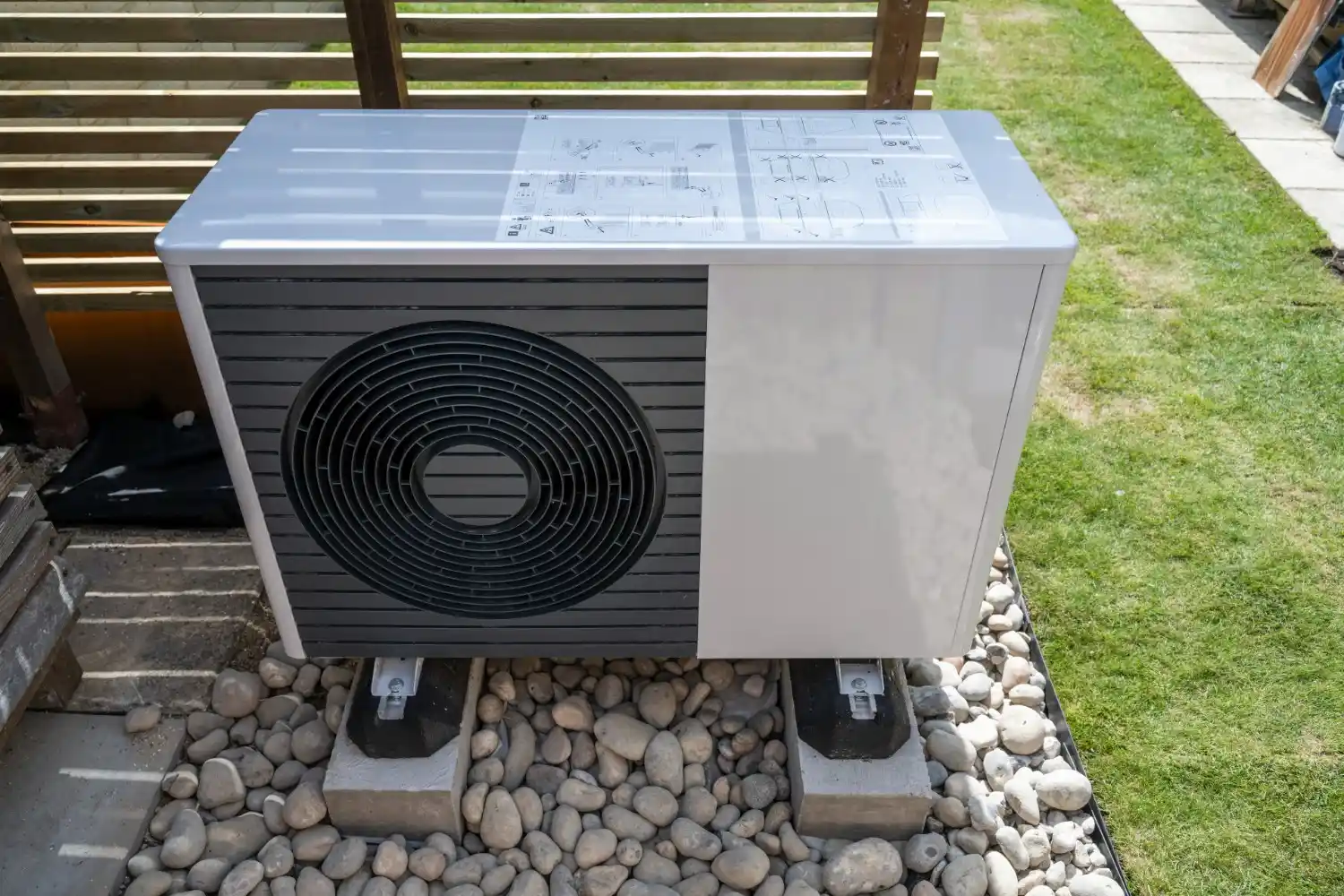
Heat Pump Installation in Gainesville, GA
A correctly specified and installed heat pump delivers year-round comfort, lower energy bills, and better humidity control for Gainesville homes. Because north Georgia experiences hot, humid summers and mild winters, a properly engineered heat pump system addresses both cooling load and dehumidification needs while providing efficient heating during cold snaps. This page explains the full heat pump installation process in Gainesville, GA — from the initial consultation and load calculations to permits, professional installation steps, commissioning, available rebates and financing, expected timelines, and warranties — so you know what to expect when deciding on a replacement or new system.
Why professional heat pump installation matters in Gainesville, GA
- Gainesville’s humid climate increases latent cooling demand; oversized systems cool quickly but fail to dehumidify properly, causing clammy interiors and short cycling.
- Undersized equipment struggles on peak summer days and during rare sub-freezing events, reducing comfort and equipment life.
- Proper installation, ductwork assessment, and refrigerant charge are critical to achieve rated efficiency (SEER/HSPF) and long-term reliability.
- Local permit and code compliance (Hall County and Gainesville building codes) ensure safety and resale value.
Common heat pump installation types and issues in Gainesville, GA
- Central air-source heat pumps for split systems (most common for Gainesville single-family homes).
- Ductless mini-split systems for additions, older homes with limited ductwork, or targeted zone comfort.
- Hybrid systems pairing a heat pump with a gas furnace for improved winter efficiency.
- Common issues that prompt replacement or installation:
- Frequent compressor short-cycling due to improper sizing
- Inadequate dehumidification in humid summer months
- Insufficient airflow from marginal or leaky ductwork
- Aging equipment with refrigerant leaks or failing components
Initial consultation and load calculations
Every professional installation begins with an on-site consultation to determine heating and cooling needs, house orientation, insulation levels, window types, and existing duct condition. Key elements include:
- Manual J load calculation to size the system based on Gainesville’s climate data and your home’s specific heat gain and loss.
- Manual D assessment for duct design or verification of existing ductwork capability.
- Manual S selection guidance to match equipment capacity and performance to the calculated loads.
- Inspection for indoor air quality needs, ventilation requirements, and potential improvements (insulation, air sealing).
A load-calculation-driven approach prevents the common pitfalls of oversizing or undersizing and ensures efficient dehumidification during humid Georgia summers.
Equipment selection and sizing
Choosing the right heat pump depends on performance metrics and local needs:
- Look for appropriate SEER (cooling efficiency) and HSPF/Heating COP (heating efficiency) ratings; higher ratings deliver more savings but must be paired with proper installation to realize benefits.
- Consider variable-speed compressors and multi-stage systems for better humidity control and reduced cycling.
- Evaluate refrigerant type (newer R-410A/R-454B systems) and equipment compatibility with existing ductwork.
- Decide between central split systems and ductless mini-splits based on home layout, budget, and zoning preferences.
Sizing is not just capacity; it includes matching system airflow, refrigerant line sizing, and condenser location to Gainesville’s outdoor conditions.
Permit and code considerations in Gainesville, GA
Heat pump installations require local permits and must meet Georgia and Hall County building codes:
- Permit process typically covers mechanical and electrical work; licensed HVAC contractors pull permits and ensure inspections.
- Installations must meet local ventilation and safety codes, proper condensate disposal, and electrical disconnect requirements.
- Code-year updates and energy-efficiency standards may affect insulation, SEER minimums, or specific installation methods. Licensed professionals will ensure compliance and pass final inspections.
Professional installation steps
A professional installation follows a predictable sequence to minimize errors and downtime:
- Prepare site and disconnect existing equipment safely.
- Modify or install ductwork as needed, addressing leaks, returns, and supply balancing.
- Mount outdoor condenser and indoor air handler/evaporator in optimal locations for airflow and service access.
- Run appropriately sized refrigerant lines, electrical, and condensate drains; ensure proper line insulation and protection.
- Evacuate and charge the refrigerant circuit to manufacturer specifications; set airflow and fan speeds to match design CFM.
- Seal penetrations and perform final safety checks on electrical connections and controls.
Each step focuses on ensuring the system operates to rated performance and maximizes longevity.
System commissioning and testing
Commissioning confirms the system operates correctly under real conditions:
- Verify correct refrigerant charge and superheat/subcooling values.
- Measure supply and return temperatures and confirm designed airflow (CFM).
- Test electrical amperage and verify proper voltage and safety controls.
- Check thermostat calibration, zone control settings, and make sure defrost cycles and heat mode function correctly.
- Evaluate indoor humidity control to ensure the system achieves comfort objectives for Gainesville’s humid summers.
A thorough commissioning report documents these checks for your records and warranty validation.
Available rebates and financing
Homeowners in Gainesville may qualify for multiple financial incentives:
- Federal energy tax credits for qualifying high-efficiency heat pumps (subject to current program rules and eligibility).
- Georgia utility rebates or local incentives for energy-efficient equipment may apply depending on the utility provider and program availability.
- Manufacturer or dealer financing options can spread installation costs over time; terms vary by program and credit qualification.
Always verify current program details and eligibility before finalizing equipment selection to maximize savings.
Expected timelines and warranties
- Typical residential heat pump installation timeline: 1 to 3 days for straightforward replacements; 2 to 5+ days if ductwork modification, electrical upgrades, or structural work is required.
- Project timelines include permit approval, equipment delivery, installation, and final inspection scheduling.
- Warranties to expect:
- Manufacturer warranty on compressors and coils (commonly 5 to 10 years or longer for registered equipment).
- Parts warranties that vary by component (control boards, fans, etc.).
- Labor warranty from the installing licensed contractor (duration varies; confirm terms before installation).
Retain all warranty documentation and the commissioning report to support future claims.
Long-term benefits and maintenance advice
A properly installed heat pump in Gainesville provides:
- Year-round comfort with efficient cooling performance and adequate humidity control.
- Lower operating costs compared to older electric-resistance heating or inefficient packaged units.
- Reduced system stress and longer equipment life when installed and commissioned correctly.
Maintenance tips to protect your investment:
- Schedule annual or biannual professional tune-ups (pre-summer and pre-winter checks).
- Change or clean filters regularly and maintain clear airflow around the outdoor unit.
- Keep condensate drains clear and inspect ductwork for leaks.
- Monitor system performance and address unusual sounds, odors, or consistent temperature imbalance promptly.
ConclusionHeat pump installation in Gainesville, GA is a technical process that pays dividends when executed with professional load calculations, right-sized equipment, code-compliant permits, meticulous installation, and careful commissioning. Given Gainesville’s humid summers and variable winters, prioritizing correct sizing and humidity control will provide the most comfortable, efficient outcome and help maximize available rebates and warranty protections.
Customer
Testimonials


Service Areas