
Heat Pump Replacement in Gainesville, GA
.webp)
Heat pump replacement in Gainesville, GA is presented as a comprehensive, step-by-step upgrade option for comfort and energy savings. The page outlines evaluation, cost-vs-repair analysis, high-efficiency recommendations, removal and disposal, ductwork considerations, project timeline, incentives and financing, and post-install verification. It emphasizes properly sized equipment, seasoned installation, and proactive maintenance to maximize performance, reduce operating costs, and protect home comfort in hot, humid Gainesville conditions. The tone is practical and actionable, guiding homeowners from evaluation to commissioning with an emphasis on safety, compliance, and savings.
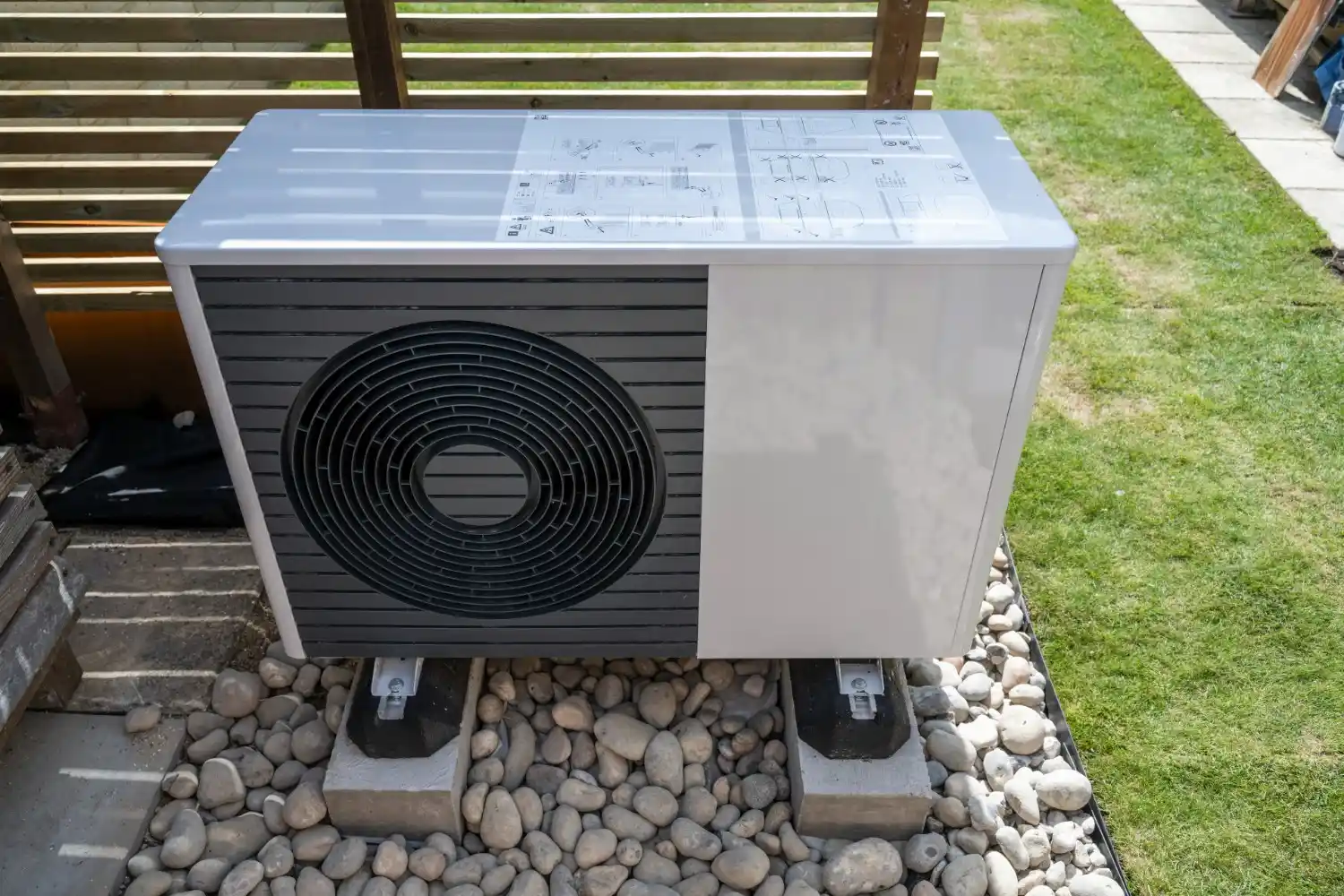
Heat Pump Replacement in Gainesville, GA
Replacing a failing or inefficient heat pump is one of the most impactful home upgrades Gainesville homeowners can make for comfort and energy savings. With humid subtropical summers, frequent cooling demand, and occasional cold snaps in winter, an improperly sized or degraded heat pump raises energy bills, shortens equipment life, and reduces indoor comfort. This page explains the full heat pump replacement process for Gainesville, GA homes, including equipment evaluation, cost versus repair analysis, efficiency recommendations, removal and disposal, ductwork compatibility, project timeline, incentives and financing options, and post-install verification.
Why replace a heat pump in Gainesville, GA
- High cooling loads through long, humid summers make efficiency essential for lower monthly bills.
- Older systems lose efficiency and may use outdated refrigerants that are being phased out.
- Frequent short-cycling, rising repair frequency, and poor humidity control are signs replacement is more cost effective than repair.
- Replacing with a modern high-efficiency model improves comfort, reduces maintenance, and increases resale value.
Common heat pump problems in Gainesville homes
- Inadequate cooling or heating despite frequent runtime
- Rising repair costs and repeated compressor or reversing valve failures
- Frozen evaporator coils caused by improper charge or airflow problems
- Poor humidity control and uneven temperatures between rooms
- Excessive noise from outdoor unit or duct-borne vibration
- Older systems using low-efficiency components or phased-out refrigerants
Evaluation and cost-vs-repair analysis
A thorough evaluation is the first step in a responsible replacement decision. Typical evaluation steps:
- Visual inspection of outdoor and indoor units for corrosion, oil stains, and refrigerant leaks
- Performance testing: measuring supply and return temperatures, airflow, system pressures, and electrical draw
- Refrigerant analysis to determine proper charge and detect leaks
- Ductwork assessment for leaks, insulation level, and sizing
- Estimating remaining useful life and likely future repair costs
A balanced cost-vs-repair analysis weighs the immediate repair cost against the expected remaining life, seasonal efficiency losses, and likely near-term failures. In Gainesville, where cooling dominates energy use, a system running at reduced capacity or low seasonal energy efficiency can justify replacement even if a single repair appears cheaper.
High-efficiency replacement recommendations
When selecting a replacement, prioritize models and features that deliver measurable benefits in local conditions:
- Look for higher SEER2 and HSPF2 ratings for better cooling and heating efficiency in hot, humid climates
- Variable-speed or inverter-driven compressors for improved comfort, better humidity control, and quieter operation
- Properly sized equipment based on Manual J load calculations, not rule-of-thumb sizing
- Matched system components: indoor coil and outdoor unit designed to work together for optimal efficiency
- Compatible thermostats with smart or programmable capabilities to optimize runtime and energy use
- Consider heat pumps designed for low ambient operation if you frequently see colder winter temperatures
Removal and disposal of old units
Safe removal and disposal follow environmental and safety guidelines:
- Certified refrigerant recovery to capture and recycle or properly dispose of refrigerants
- Disconnecting electrical and refrigerant lines and safe removal of line sets where needed
- Recycling of metal and components according to local regulations
- Proper disposal documentation for compliance and homeowner records
Ductwork and compatibility considerations
Ductwork is often the limiting factor in realizing efficiency gains from a new heat pump. Key considerations:
- Verify duct sizing against the new system's required airflow to avoid high static pressure and short cycling
- Inspect and seal duct leaks, especially in Gainesville attics and crawlspaces where humidity and heat can exacerbate losses
- Add or improve insulation on ducts in unconditioned spaces to reduce thermal losses
- Assess airflow balance and consider zoning or dampers if large temperature differences exist between rooms
- Confirm line set length, electrical service capacity, and clearances for the new outdoor unit
Typical project timeline and what to expect
Project length varies by complexity, but typical steps include:
- Onsite evaluation and load calculation: 1 visit, 1 to 2 hours
- Equipment selection and scheduling: 1 to several days depending on availability
- Removal of old unit and installation of new heat pump: usually 1 to 2 days for a standard split system
- Duct sealing, modifications, or minor electrical upgrades may add a day
- Final commissioning and performance testing: included at the end of installationExpect some lead time for ordering high-efficiency models and coordinating any necessary electrical or ductwork upgrades.
Incentives and financing options for Gainesville homeowners
Replacing a heat pump can qualify for several financial incentives that improve payback:
- Federal tax credits for qualifying energy efficient heat pump installations under current energy policy may apply
- Utility rebates or local energy efficiency programs in Georgia often provide rebates for high-efficiency units or heat pump upgrades
- Manufacturer or retailer financing plans and local financing options such as energy-efficient home improvement loans can spread upfront cost over timeWhen planning a replacement, check eligibility for available rebates and credits to improve overall return on investment.
Post-install performance verification
A professional installation includes system commissioning to confirm promised performance:
- Verification of proper refrigerant charge and pressures
- Measurement of supply and return air temperatures and total system airflow
- Static pressure checks and duct leakage testing when ducts were sealed or modified
- Thermostat setup and verification of control staging and schedule
- Documentation of expected seasonal performance and recommended maintenance intervals
Benefits of timely replacement
Replacing an aging heat pump yields immediate and long-term advantages:
- Lower energy bills from improved system efficiency during Gainesville summers
- More consistent comfort and humidity control throughout the home
- Fewer emergency repairs and reduced downtime during peak season
- Improved indoor air quality through modern filtration options and properly balanced airflow
- Reduced environmental footprint by using newer refrigerants and higher efficiency operation
Maintenance tips for Gainesville homes after replacement
- Change or clean filters regularly to maintain airflow and efficiency
- Keep outdoor unit clear of debris, leaves, and overgrowth to ensure proper airflow
- Schedule seasonal tune-ups to catch small issues before they affect performance
- Use a programmable or smart thermostat to reduce runtime during unoccupied periods
- Insulate and seal ducts in attics and crawlspaces to maximize the new system's efficiency
Replacing your heat pump is a technical decision that pays dividends in comfort and energy savings, especially in Gainesville where cooling demand is significant. A careful evaluation, proper sizing, attention to ductwork, and professional commissioning ensure the new system delivers the efficiency and comfort expected for years to come.
Customer
Testimonials


Service Areas