

Mini Split Tune-Up in Cumming, GA
.webp)
This service page outlines a Mini Split tune-up in Cumming, GA detailing why regular maintenance matters amid humid summers and pollen. It identifies common issues such as clogged filters, refrigerant leaks, electrical wear, thermostat miscalibration, airflow problems, and outdoor unit obstructions, and explains diagnostic steps technicians use to verify performance. It highlights benefits including improved energy efficiency, reliability during peak heat, longer equipment life, better indoor air quality, and consistent comfort. The guide recommends annual inspections, with frequent visits for heavy-use systems, plus practical maintenance tips.
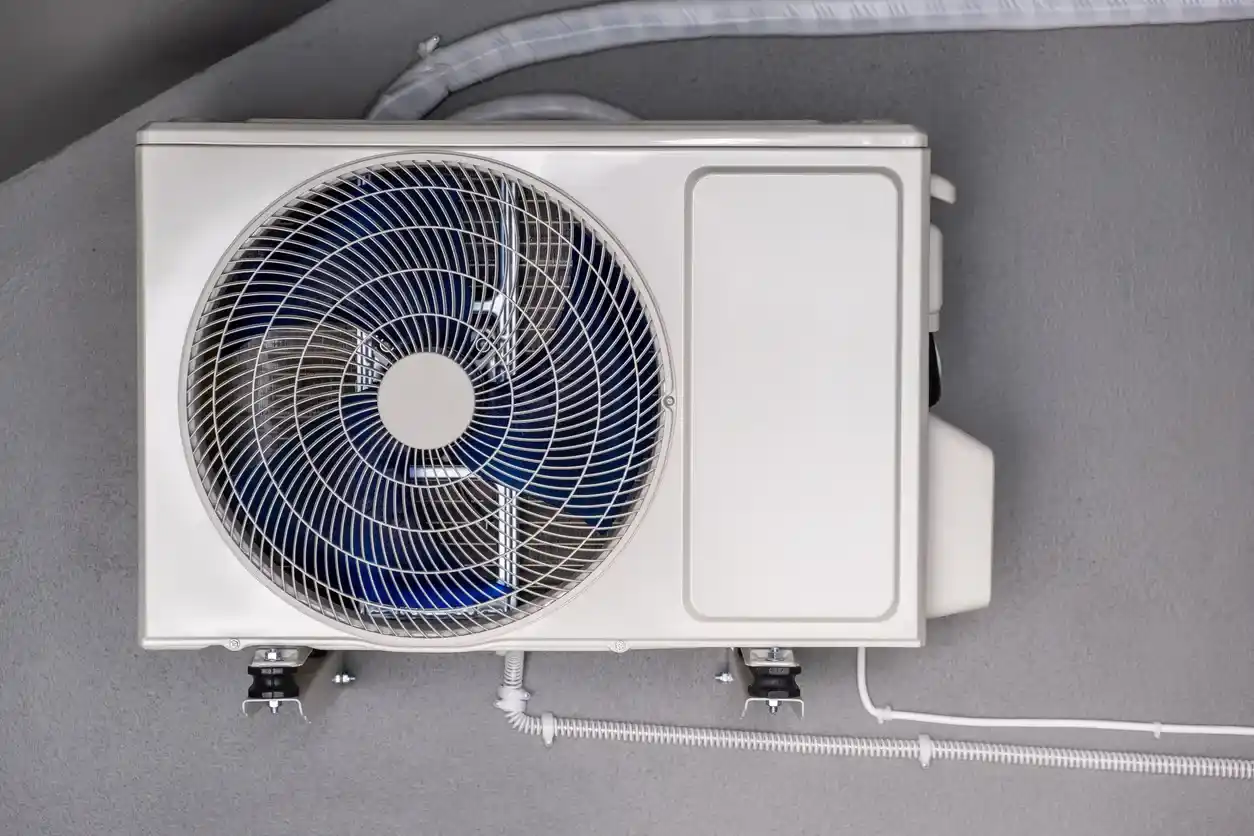
Mini Split Tune-up in Cumming, GA
Mini Split systems are a popular choice in Cumming, GA because they deliver efficient, zoned comfort without ductwork. However, the hot, humid summers and heavy spring pollen in Forsyth County place extra strain on these systems. A professional seasonal Mini Split tune-up in Cumming, GA ensures reliable performance, lower energy use, and better indoor air quality when you need cooling the most. This page explains what a thorough tune-up includes, common local problems, how technicians diagnose issues, and the real benefits of regular maintenance for Cumming homes.
Why a seasonal tune-up matters in Cumming, GA
Cumming’s humid summers and fluctuating spring pollen loads cause Mini Splits to work harder and accumulate debris on coils and filters. That extra load increases energy consumption, accelerates wear on compressors and fans, and raises the risk of mid-summer failures. A seasonal tune-up addresses these stressors so your system runs efficiently, keeps humidity under control, and lasts longer.
Common Mini Split issues in Cumming, GA
- Clogged filters and outdoor coil buildup from pollen, tree debris, and dust, reducing airflow and efficiency.
- Low refrigerant or leaks, often revealed only under peak load and causing poor cooling and risk to the compressor.
- Electrical wear: loose connections, failing capacitors, or worn contactors that can cause intermittent operation or failure.
- Poor thermostat/remote calibration or incorrect settings leading to short-cycling or uneven room temperatures.
- Improper airflow due to dirty indoor coils or blocked indoor/outdoor units, which can cause frozen coils or reduced dehumidification.
- Outdoor unit obstructions from landscaping or yard debris that limit airflow and heat rejection.
What a professional seasonal Mini Split tune-up includes
A complete, systematic tune-up covers the components that most affect reliability and efficiency. Typical tasks performed during a seasonal Mini Split tune-up in Cumming, GA include:
- Visual inspection of indoor and outdoor units for damage, mounting stability, and clearance issues.
- Electrical components check: tighten connections, test capacitors, contactors, relays, and safety controls.
- Refrigerant level verification: measure operating pressures and temperatures to confirm proper refrigerant charge and detect likely leaks.
- Coil and filter cleaning: remove pollen, dust, and debris from indoor evaporator coils and outdoor condenser coils; clean or replace washable filters.
- Airflow verification and fan operation: measure airflow where possible, check fan motors and adjust fan speeds as needed.
- Thermostat and control calibration: verify temperature sensors, remote responsiveness, and correct setpoints to prevent short-cycling.
- Performance and efficiency testing: record supply/return temperatures, check system run times, and evaluate overall cooling capacity and efficiency.
- Condensate drain inspection and cleaning: clear drain lines and pans to prevent backups and indoor water damage.
- Refrigerant leak indicators and warning signs: inspect common leak points and advise on next steps if a leak is suspected.
- Final systems checklist and homeowner guidance on short-term care and observed issues.
How technicians diagnose problems (in plain terms)
Technicians use a mix of inspection, basic measurements, and experience to find issues quickly. They check electrical voltages and currents to spot worn parts before they fail. For refrigerant, they compare measured pressures and temperatures against expected values for the current outdoor conditions to see if the charge is low or if the system is operating inefficiently. Measuring temperature differences across the coil and evaluating run times shows whether airflow is adequate and whether the unit is meeting cooling expectations. These diagnostic steps minimize guesswork and provide clear reasons for any recommended repairs.
Benefits of regular Mini Split tune-ups in Cumming homes
- Improved energy efficiency: Clean coils, proper refrigerant charge, and correct airflow mean your Mini Split uses less electricity to deliver the same comfort.
- Greater reliability during peak Georgia heat: Preventive checks reduce the chance of mid-season breakdowns when repair wait times and discomfort are highest.
- Longer equipment life: Addressing electrical wear and maintaining proper operating conditions reduces stress on the compressor and fan motors.
- Better indoor air quality: Clean filters and coils remove pollen, dust, and allergens common in Cumming’s spring and summer months.
- Consistent comfort and humidity control: Proper calibration and airflow balance improve dehumidification and even temperature across living spaces.
- Early detection of leaks or failing components: Finding problems early often reduces repair costs and avoids major failures.
Recommended frequency and best timing for Cumming homeowners
For most Cumming homes, an annual professional tune-up is the minimum. Systems that run heavily during long, humid summers or that serve open-plan living areas often benefit from twice-yearly checks—once in spring before heavy cooling season and once in fall to prepare for heating or shoulder-season use. Scheduling before the hottest months ensures your system is ready to meet peak demand.
Simple maintenance tips homeowners can do between tune-ups
- Clean or wash washable filters every 1 to 3 months during heavy-use periods.
- Keep at least 2 feet of clearance around indoor and outdoor units; trim vegetation and remove debris frequently.
- Check that condensate drains flow freely and that drain pans are not holding water.
- Replace disposable filters on schedule and avoid using makeshift filters that restrict airflow.
- Note unusual sounds, odors, or cycle behavior and record when they occur so a technician can diagnose the pattern.
A thorough seasonal Mini Split tune-up in Cumming, GA protects your investment, reduces monthly energy costs, and keeps your home comfortable through humid Georgia summers and mild winters. Regular professional maintenance combined with simple homeowner care delivers the most reliable performance and longest system life.
Customer
Testimonials


Service Areas