

Mini Split Replacement in Cumming, GA
.webp)
Mini Split replacement in Cumming, GA explains when upgrading aging systems makes sense and outlines practical options, including like-for-like swaps, multi-zone configurations, and inverter-driven models. The page guides homeowners through an on-site evaluation, sizing with Manual J, and a clear comparison of cost versus long-term benefits, then covers removal, refrigerant disposal, and compliance. It also highlights rebates, financing, and expected performance gains such as quieter operation, improved humidity control, and lower energy use over the system's life.
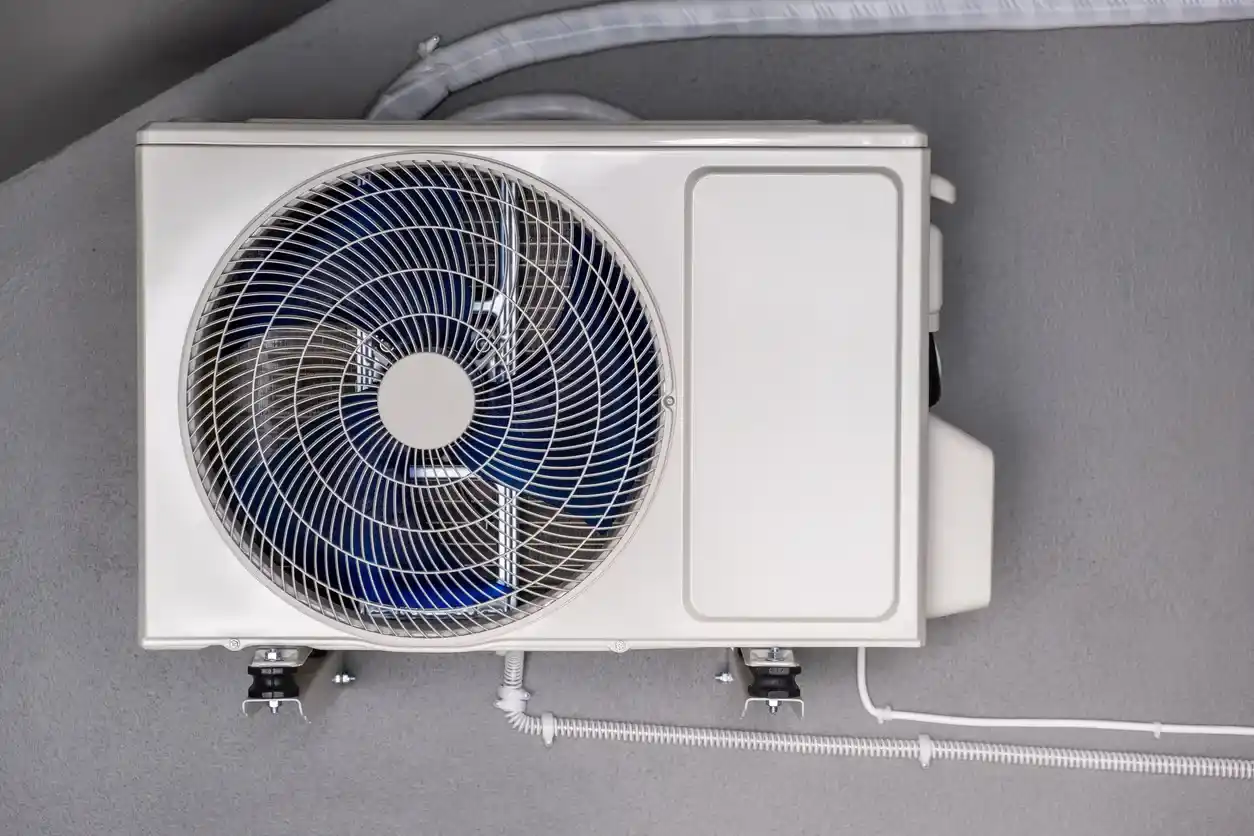
Mini Split Replacement in Cumming, GA
Replacing an aging or underperforming mini-split is a high-impact way to restore comfort, lower energy bills, and address humidity and air quality problems common in Cumming, GA homes. Whether your unit struggles to keep up during hot, humid summers or shows signs of frequent breakdowns, a professional mini-split replacement evaluates your current equipment, explains modern options and upgrades, handles removal and refrigerant-safe disposal, and clarifies cost versus long-term benefits so you can choose the best system for your home.
Why replacement matters in Cumming, GA
Cumming’s hot, humid summers and occasional cold snaps put extra stress on HVAC equipment. Older mini-splits often lose capacity, run longer, and have poorer dehumidification — creating comfort complaints and higher electricity use. Upgrading to a modern, high-efficiency mini-split with inverter-driven compressors and better dehumidification can reduce runtime, provide more consistent temperatures, and improve indoor air quality in this climate.
Common Mini Split replacement issues in Cumming
- Frequent refrigerant leaks or low charge that require repeated servicing
- Reduced cooling or heating capacity compared with original output
- Compressor failures or noisy outdoor units indicating end-of-life components
- Electrical problems such as failing capacitors, fuses, or unsafe wiring for newer systems
- Obsolete components that limit repair options or make repairs uneconomical
- Poor humidity control during humid months leading to clammy indoor conditions
- Mismatched indoor/outdoor components or improper sizing from prior installations
Replacement options and system upgrades
When replacing a mini-split in Cumming, GA, you typically choose among several practical upgrade paths:
- Like-for-like replacement: Swap the outdoor compressor and indoor heads with the same capacity when ductless layout remains appropriate. Good when existing line sets and placement are sound.
- Multi-zone conversion: Replace a single-zone unit with a multi-zone system to serve multiple rooms from one outdoor unit, improving whole-home comfort and efficiency.
- Inverter-driven variable-speed systems: Modern inverter mini-splits modulate compressor speed for precise temperature control, quieter operation, and better dehumidification — especially valuable in humid Georgia summers.
- Heat pump upgrades for improved heating: Newer models maintain capacity at lower outdoor temperatures, giving better winter performance than older units.
- Smart thermostats and controls: Integrate Wi-Fi controls and zoning schedules for usage-based savings and convenience.
- Air quality and filtration upgrades: Add higher-efficiency filters, UV options, or ventilators to reduce allergens and improve indoor air in tightly sealed homes.
Evaluation and diagnostic process
A thorough replacement begins with an on-site evaluation that includes:
- Load calculation (Manual J) to confirm correct system sizing for your home, accounting for Cumming climate, insulation, windows, and orientation. Proper sizing avoids short cycling or undersizing.
- Inspection of indoor units and line sets for corrosion, oil staining (refrigerant loss indicator), and wall/ceiling mounting issues.
- Electrical inspection to verify breaker capacity, disconnects, and wiring compatibility with modern units.
- Refrigerant and compressor assessment to determine if repair or full replacement is more economical.
- Performance measurements — airflow, superheat/subcooling, and temperature split — to quantify current system health.
This objective assessment produces a clear replacement recommendation with options and expected performance outcomes.
Removal, disposal, and regulatory compliance
Safe removal of old mini-splits is critical. Replacement services should:
- Recover refrigerant using certified recovery equipment and documented procedures in compliance with EPA rules.
- Disconnect and remove indoor and outdoor components, keeping penetrations sealed to minimize pest or moisture entry.
- Dispose of or recycle scrap metal, PCB-containing parts, and other materials according to Georgia waste regulations.
- Provide documentation of refrigerant recovery and disposal when required by local authorities or utility rebate programs.
Cost vs. benefit analysis
Deciding to replace a mini-split requires weighing upfront cost against ongoing benefits:
- Energy savings: Modern inverter mini-splits typically use substantially less electricity than older fixed-speed units. Many homeowners see meaningful reductions in cooling costs and shorter run times during Cumming’s extended cooling season.
- Improved comfort and control: Better humidity control, quieter operation, and precise temperature hold increase livability.
- Reduced repair frequency: New equipment carries warranties and fewer emergency service calls compared with end-of-life systems.
- Increased home value and resale appeal: Energy-efficient HVAC components are attractive to buyers in the local market.
Payback timelines vary based on usage patterns, electricity rates, and system efficiency, but the combination of lower operating costs and reduced repairs often justifies replacement sooner rather than continuing costly fixes on an aging unit.
Rebates, incentives, and financing considerations
Homeowners in Cumming may qualify for local utility rebates, state incentives, or federal programs for installing high-efficiency heat pumps and mini-splits. Eligibility commonly depends on equipment efficiency ratings and installer certification. Financing options through third-party lenders or manufacturer promotions can spread upfront costs over time. Verify current programs with your local utility (for example, Georgia Power and municipal incentives), state energy offices, or federal energy-efficiency programs to understand available incentives and requirements.
Expected performance improvements
Upgrading to a modern mini-split typically delivers:
- Quieter operation both indoors and outdoors
- More consistent temperatures with fewer hot/cold spots
- Better humidity control during Cumming’s humid months
- Lower seasonal energy consumption due to inverter technology and higher SEER/HSPF ratings
- Faster recovery from temperature setbacks and improved part-load efficiency
Lifespan expectations for new mini-splits are commonly 10 to 15 years with proper maintenance. Newer units paired with routine filter changes and annual inspections will sustain performance and efficiency longer.
Maintenance and long-term care
To preserve the benefits of a replacement mini-split:
- Schedule annual professional tune-ups for refrigerant checks, coil cleaning, and electrical inspections.
- Replace or clean filters regularly to maintain airflow and indoor air quality.
- Keep outdoor units free of debris, leaves, and tall grass to maintain airflow and efficiency.
- Monitor smart controls to optimize setpoints and reduce unnecessary runtime during shoulder seasons.
A strategic replacement paired with routine maintenance maximizes comfort, minimizes operating costs in Cumming’s climate, and extends equipment life.
Replacing a mini-split is a practical investment when repair costs climb, comfort suffers, or you want a more efficient, reliable system tailored to Cumming, GA conditions. A careful evaluation, compliant removal, and properly sized, high-efficiency replacement will deliver measurable improvements in comfort and operating cost over the life of the system.
Customer
Testimonials


Service Areas