

Mini Split Maintenance in Cumming, GA
.webp)
Mini Split maintenance in Cumming, GA provides proactive care to protect comfort, efficiency, and longevity for ductless systems. This service guide outlines why regular inspections matter in a hot, humid climate, common failure points, and a comprehensive program that includes seasonal visits, detailed records, and transparent pricing. Technicians perform thorough checks, clean coils and filters, test electrical components, and verify refrigerant charge. Homeowners receive actionable tips, and the plan emphasizes scheduling, warranties, and predictable costs for reliable year-round performance.
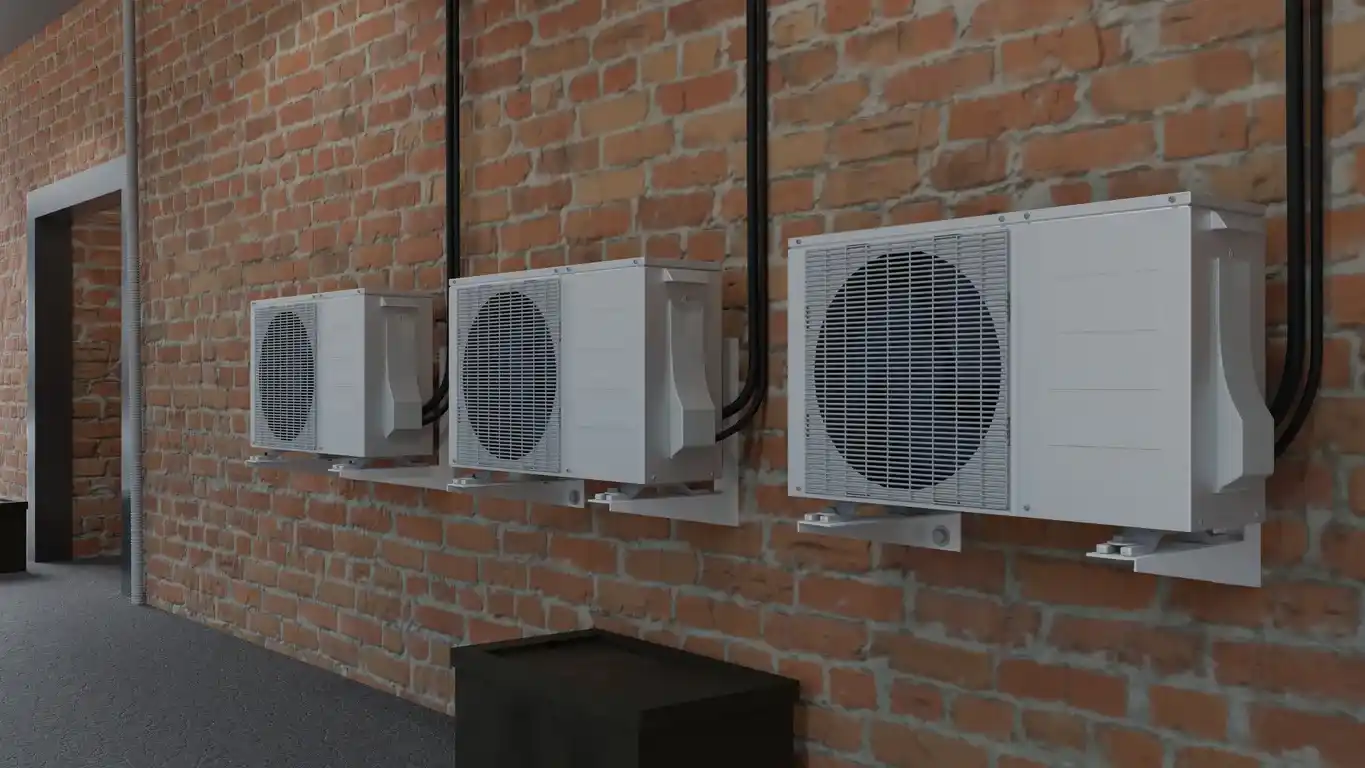
Mini Split Maintenance in Cumming, GA
Regular Mini Split maintenance in Cumming, GA protects comfort, improves efficiency, and reduces the risk of breakdowns during the hottest and most humid months. For homeowners and property managers who depend on ductless mini-split heat pumps for year-round comfort, an ongoing maintenance program turns reactive repairs into predictable, preventive care—especially important in North Georgia’s climate where humidity, pollen, and seasonal temperature swings stress equipment.
Why regular Mini Split maintenance matters in Cumming, GA
Cumming experiences hot, humid summers and mild winters with occasional cold snaps. High humidity increases coil condensation and creates conditions for mold and biological growth inside indoor units and drain lines. Spring pollen and falling leaves can clog outdoor coils and lines, reducing heat transfer. Regular maintenance addresses these local stresses to:
- Maintain cooling capacity during peak summer loads
- Prevent moisture-related odors and indoor air quality problems
- Preserve system efficiency and lower energy bills
- Extend equipment life and protect warranty coverage through documented service
Common mini-split issues in Cumming homes
Understanding frequent failure points helps prioritize service tasks:
- Clogged filters and indoor coil buildup from pollen and household dust
- Blocked condensate drains and overflow or water leaks
- Dirty outdoor coils fouled by pollen, pine needles, grass clippings, and debris
- Reduced refrigerant charge due to slow leaks or poor initial installation
- Weak airflow from fan issues, motor wear, or dirty blower assemblies
- Electrical faults, loose connections, or failed capacitors from thermal cycling
- Incorrect system settings or control calibration causing inefficient operation
- Rodent or insect intrusions in outdoor units during cooler months
What a comprehensive Mini Split maintenance program includes
A structured maintenance plan should go beyond a single checklist and provide recurring, seasonal service tailored to local conditions. Key program features often include:
- Seasonal inspections timed for pre-summer cooling and pre-winter heating
- Preventative service tasks performed at each visit with clear scope
- Priority scheduling for plan members during peak seasons
- Flat-rate maintenance agreements that simplify budgeting and ensure regular service
- Detailed service records and maintenance history for each indoor and outdoor unit
- Recommendations for repairs or upgrades identified during inspections
Typical maintenance tasks performed per visit
Each maintenance visit should include thorough, repeatable tasks so performance issues are caught early:
- Visual inspection of indoor and outdoor units for physical damage and debris
- Clean or replace washable filters; advise on frequency based on occupancy and pets
- Clean indoor evaporator coils and inspect for mold or biological growth
- Clear and flush condensate drain lines and pans; inspect for proper slope and trap
- Clean outdoor condenser coil and remove surrounding debris to ensure free airflow
- Inspect and test electrical connections, contactors, capacitors, and breakers
- Measure operating pressures and temperatures; verify refrigerant charge by checking superheat/subcooling
- Measure compressor and fan motor amperage to detect excessive draw
- Check line set insulation and service valve caps for corrosion or damage
- Verify indoor blower operation, louvers, and controller functionality
- Test system performance in both cooling and heating modes where applicable
- Record serial numbers, model data, and overall unit condition in the service log
Diagnostic and inspection process (what technicians typically do)
A methodical diagnostic sequence helps pinpoint issues quickly and accurately:
- Preliminary visual survey to identify obvious obstructions, leaks, or physical damage
- Verify thermostat/controller settings and observe startup sequence
- Measure supply and return temperatures to calculate temperature split and airflow adequacy
- Connect gauges to check refrigerant pressures and compute superheat/subcooling
- Monitor electrical inputs and motor currents during steady-state operation
- Inspect and test condensate management system and any auxiliary drain safety switches
- Evaluate indoor coil cleanliness and look for signs of biological contamination
- Provide a summarized inspection report with prioritized findings and recommended next steps
Flat-rate maintenance agreements and priority scheduling
Flat-rate maintenance agreements convert maintenance into a predictable expense and ensure scheduled, repeatable care. Key benefits to expect from a flat-rate plan:
- Consistent, documented service visits at predictable intervals
- Priority scheduling during seasonal peak demand to reduce wait times
- Standardized scope of work so each visit covers the same critical checks
- Detailed service records that support warranty requirements and future resale value
Record-keeping and reporting
Accurate records are essential for performance tracking and long-term maintenance planning:
- Each visit should generate a service report with date, technician notes, measured data, and photos if issues are present
- A running maintenance history helps identify recurring problems and verifies proper care for warranty claims
- Recommendations for component replacement timelines based on observed wear or age should be documented
Owner tips to maintain performance between visits
Homeowner care between professional visits dramatically improves reliability:
- Clean washable filters every 2 to 4 weeks during heavy use; replace disposable filters per manufacturer guidance
- Keep the outdoor unit clear of mulch, leaves, and lawn clippings; maintain at least 2 feet of clearance
- Check the condensate drain visible at the indoor unit monthly to ensure free flow
- Use recommended temperature and fan settings; avoid wide swings in setpoint that force unnecessary cycling
- Inspect indoor units for unusual odors or visible mold and schedule a service visit if noticed
- Trim nearby vegetation and avoid storing items that could block airflow around the outdoor unit
- Note unusual noises, frequent cycling, or drops in comfort and include that information in the service log
Long-term benefits and recommended schedule
For Cumming homes, the most reliable approach is a twice-yearly maintenance cadence: a spring pre-cooling inspection and a fall pre-heating inspection. This schedule aligns with local seasonal stresses and helps catch issues before high-demand periods. Regular maintenance delivers:
- Better seasonal efficiency and lower operating costs
- Fewer emergency repairs and longer equipment life
- Improved indoor air quality and consistent comfort
- Documentation that preserves warranty coverage and resale value
Mini Split maintenance in Cumming, GA is about preventing small problems from becoming costly failures. A structured program with seasonal inspections, flat-rate agreements, and detailed record-keeping provides the stability homeowners need to rely on their systems year-round in North Georgia’s climate.
Customer
Testimonials


Service Areas