

Mini Split Installation in Cumming, GA
.webp)
Mini Split installation in Cumming, GA delivers precise, energy-efficient comfort through zoning, compact outdoor units, and ductless flexibility. The process begins with site assessment and load calculations to match capacity, followed by careful line-set routing, indoor and outdoor unit selection, and code-compliant installation. Thorough commissioning ensures proper humidity control, efficiency, and performance. With energy-saving models and clear post-installation maintenance, homeowners gain reliable comfort, reduced energy use, and lasting value in Forsyth County homes. Proper selection and commissioning maximize humidity control and overall system life.
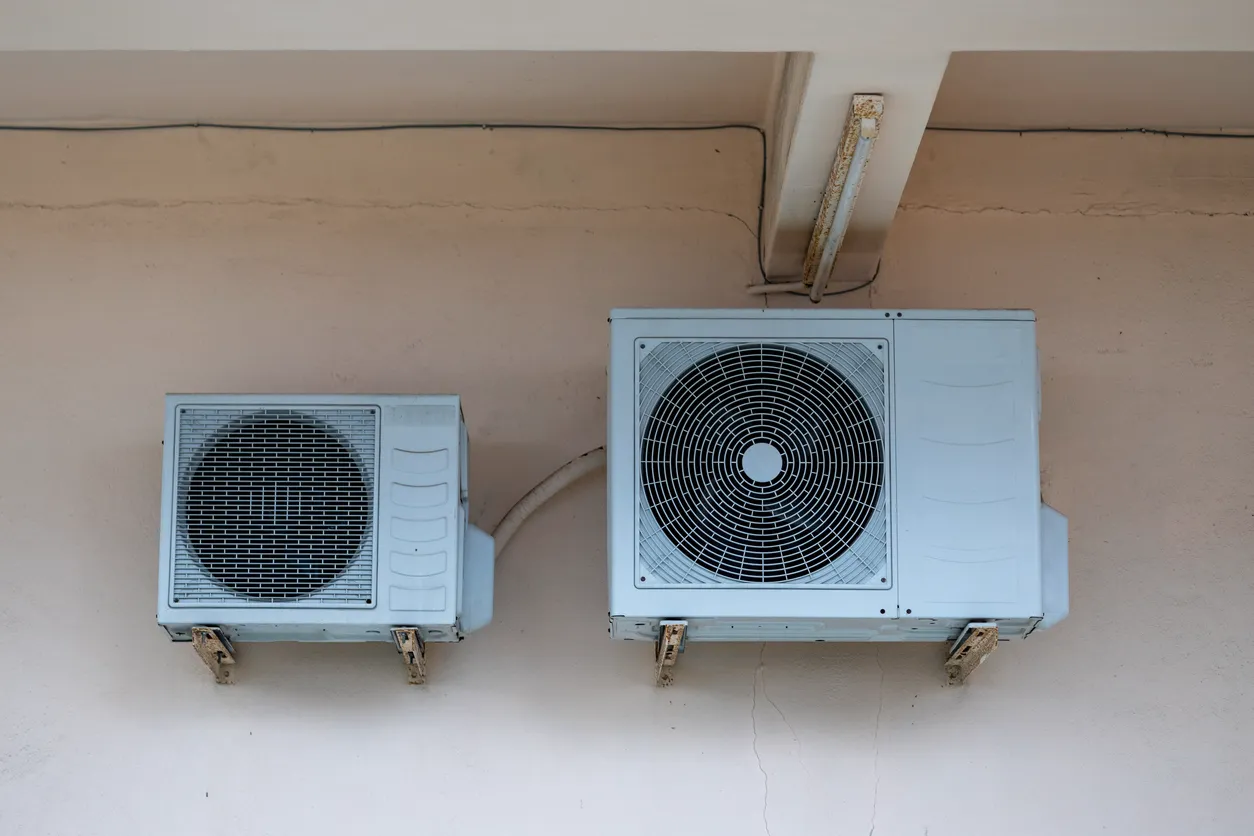
Mini Split Installation in Cumming, GA
Mini Split installation in Cumming, GA delivers precise, energy-efficient comfort for homes that need zoning, room additions, or ductless replacements. With hot, humid summers and occasional cold snaps, Cumming homeowners often struggle with uneven cooling, high utility bills, and spaces that are hard to duct. A properly specified and installed Mini Split resolves those pain points by matching capacity to load, improving dehumidification, and enabling independent temperature control for each living area.
Common Mini Split installation needs and issues in Cumming, GA
- Zoned comfort for open-plan living rooms, sunrooms, bonus rooms, or finished basements where extending ductwork is costly.
- Replacing aging window units or inefficient window ACs with quieter, more efficient systems.
- Humidity control during high humidity months to reduce mildew and improve indoor comfort.
- Sizing mistakes that cause short-cycling or poor dehumidification, common when installers skip proper load calculations.
- Outdoor unit placement challenges on small lots, near neighbors, or on sloped yards common in Forsyth County neighborhoods.
- HOA and aesthetic concerns for visible line-sets and outdoor condensers in historic or tightly governed subdivisions.
Types of Mini Split systems for Cumming homes
- Single-zone wall-mounted units: ideal for individual rooms, guest suites, or home offices.
- Multi-zone systems: one outdoor unit supporting multiple indoor heads for whole-house zoning without ducts.
- Ceiling cassette and ducted mini-duct units: for homeowners wanting a concealed look with similar benefits to ducted systems.
- Floor-mounted units: useful for rooms with low wall space or retrofit basement installations.
Site assessment and load calculation
A thorough site assessment is the foundation of a successful Mini Split installation in Cumming, GA. Key steps include:
- Manual J load calculation and room-by-room heat gain and loss analysis, accounting for Cumming climate factors such as summer humidity and solar gain from large southern exposures.
- Evaluating insulation levels, window orientation, window types, attic and crawlspace conditions, and occupancy patterns.
- Inspecting electrical service capacity, available breaker space, and outdoor unit location options to meet HOA and setback rules.Accurate load calculations prevent undersizing or oversizing, which can cause poor comfort, excess energy use, or humidity problems.
Indoor and outdoor unit selection
Selecting the right indoor and outdoor units balances capacity, efficiency, and aesthetics:
- Match indoor capacity and airflow to the calculated load for each zone. Oversized units cool too fast and do not remove enough moisture.
- Choose inverter-driven compressors with variable-speed operation for better part-load performance and quieter operation during Cumming summer peaks.
- Consider SEER and HSPF ratings to evaluate seasonal cooling and heating efficiency. Higher ratings deliver lower operating costs over time.
- For tight yards or HOA-regulated zones, compact outdoor units or noise-reduced models may be required. Locate outdoor condensers on level pads above common drainage paths to avoid water pooling.
Installation steps and best practices
Mini Split installation follows a predictable, code-compliant process:
- Finalize load calculations and system layout with indoor head placement for optimal airflow and coverage.
- Position the outdoor condenser on a vibration-isolating pad with proper clearance for airflow and maintenance.
- Mount indoor heads or cassettes, seal wall penetrations, and run line-sets, condensate drains, and communication wiring.
- Connect refrigerant lines using proper brazing techniques, insulate line-sets to prevent condensation, and secure them to minimize visual impact.
- Install dedicated electrical circuits, disconnects, and junction boxes per local electrical code. Verify service amperage and breaker sizing for the selected outdoor unit.
- Evacuate the system to a deep vacuum and charge refrigerant per manufacturer specifications when necessary.
Line-set routing and electrical requirements
Proper line-set routing and electrical work are critical to long-term performance:
- Keep line-set lengths as short as practical; longer runs require careful attention to refrigerant charge and pressure drop considerations.
- Route line-sets through conditioned space where possible to reduce heat gain and condensation risk. Use conduit or painted covers where line concealment is necessary to meet HOA guidelines.
- Electrical requirements typically include a dedicated circuit on a properly sized breaker, outdoor disconnect within sight of the condenser, and compliance with local permits and inspections in Forsyth County.
- All refrigerant handling must be performed by technicians certified under EPA Section 608 to comply with federal regulations.
System commissioning and performance testing
Commissioning verifies the system operates as designed and is essential in Cumming where humidity control is a priority:
- Perform pressure and leak testing after brazing and before evacuation.
- Pull an appropriate vacuum to remove moisture and non-condensables, holding the vacuum to verify integrity.
- Charge refrigerant and confirm correct superheat and subcooling according to manufacturer data for the specific outdoor temperature.
- Measure supply and return air temperatures, airflow, and static pressure where applicable.
- Test dehumidification performance and adjust fan speeds or mode settings to optimize indoor humidity control.
- Configure controls, thermostats, and zone coordination for multi-zone systems and verify remote control functionality.
Energy-efficient models and financing options
Energy-efficient Mini Splits feature inverter compressors, variable-speed fans, and advanced controls:
- Look for high SEER and HSPF values and models with enhanced inverter technology to lower operating costs during Cumming summers and mild winters.
- Models with advanced humidity management modes or built-in dehumidification help maintain indoor comfort without overcooling.
- Financing options available in the market commonly include equipment financing, energy improvement loans, and manufacturer or utility rebates where eligible. Some homeowners pursue tax incentives for energy-efficient installations; local utility programs may offer rebates based on efficiency ratings.
Post-installation support and maintenance
Reliable post-installation support preserves system performance and efficiency:
- Schedule seasonal tune-ups to clean coils, check refrigerant levels, inspect electrical connections, and confirm drain lines are flowing.
- Regular filter cleaning or replacement improves airflow and indoor air quality. Many indoor heads use washable filters; others have replaceable cartridges.
- Monitor for unusual sounds or reduced performance. Prompt diagnostic checks prevent minor issues from becoming major problems.
- Register warranties and ensure service records are kept for future reference, particularly for refrigerant leaks or compressor warranty claims.
ConclusionMini Split installation in Cumming, GA provides targeted comfort solutions for homes facing ductwork limitations, high humidity, or zoning needs. When installation is driven by a proper site assessment, accurate load calculation, careful line-set routing, and thorough commissioning, a Mini Split system delivers reliable temperature control, improved humidity management, and lower operating costs for Cumming households. Regular maintenance and attention to local installation considerations keep systems performing efficiently year after year.
Customer
Testimonials


Service Areas