

Mini Split Repair in Cumming, GA
.webp)
Professional Mini Split repair in Cumming, GA addresses common system failures, diagnostic procedures, and steps to restore reliable comfort. The process includes on-site workflows, parts sourcing, typical timelines, and emergency or after-hours service considerations. Homeowners learn how technicians identify root causes, verify proper operation, and document repairs for warranty purposes. Practical maintenance guidance and warranty information help reduce future disruptions and extend system life in Forsyth County homes, providing clear expectations and confidence.
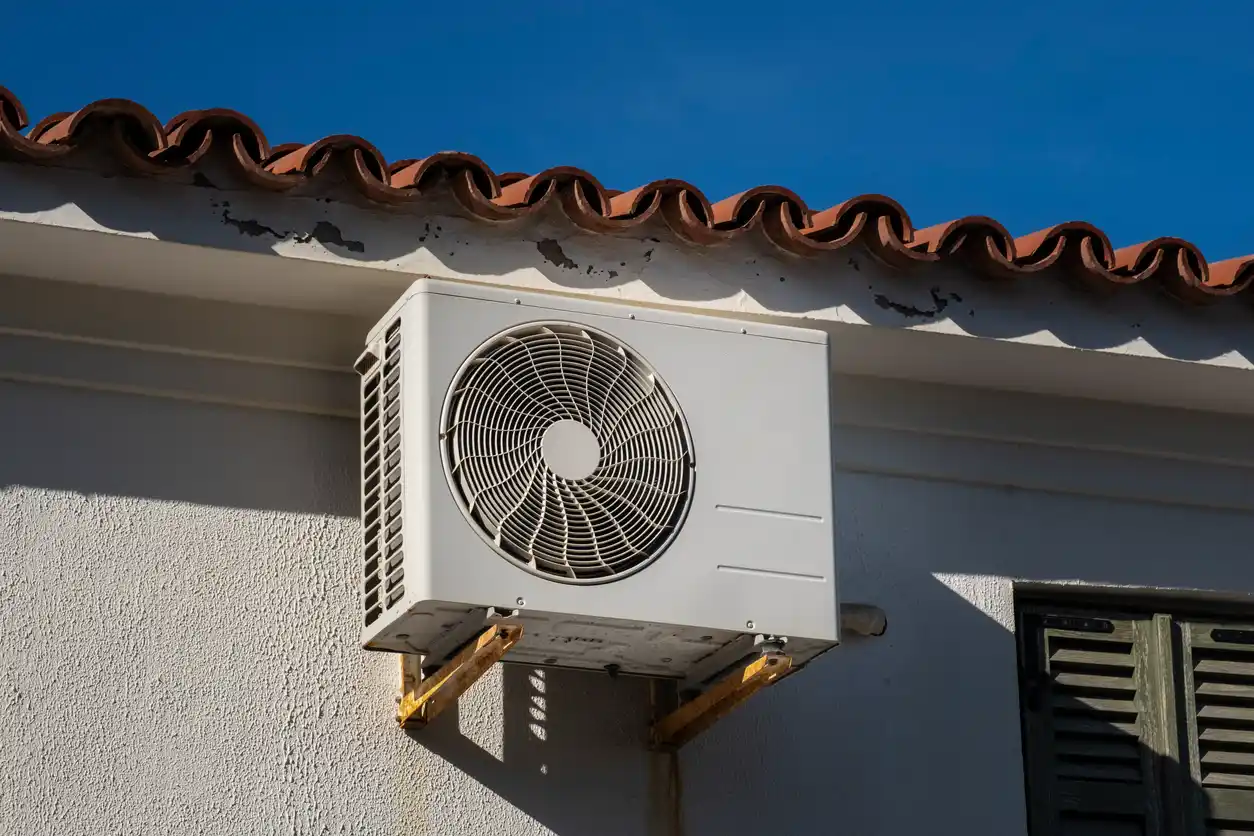
Mini Split Repair in Cumming, GA
A properly functioning mini-split keeps your Cumming, GA home comfortable through humid Georgia summers and the cooler shoulder seasons. When a ductless mini-split fails, it often happens at peak demand, leaving rooms uncomfortable and energy bills higher. This page explains how professional Mini Split repair in Cumming, GA works, what commonly fails, how diagnostics are performed on-site, repair workflows and parts sourcing, typical timelines, emergency response considerations, and warranty realities — all to help you make a confident decision when you need repairs.
Why timely mini-split repair matters in Cumming, GA
Cumming experiences long, hot, humid summers that put sustained load on cooling systems. High humidity and pollen can accelerate filter and coil clogging. Extended periods of use increase wear on electrical components, inverter boards, fan motors, and compressors. Leaving an issue unaddressed can lead to reduced efficiency, more expensive component failure, and comfort problems across living spaces.
Common mini-split failure modes in Cumming homes
Understanding likely causes makes it easier to prioritize repairs. Common mini-split issues seen in Cumming include:
- Compressor failure — Causes: oil contamination, electrical faults, or long-term refrigerant problems. Symptoms: system won’t cool, loud clanking or humming from the outdoor unit.
- Inverter or PCB (control board) faults — Causes: power surges, age-related component failure. Symptoms: unit cycles erratically, error codes, indoor unit unresponsive.
- Fan motor problems (indoor or outdoor) — Causes: worn bearings, debris buildup, motor burnout. Symptoms: reduced airflow, unusual noise, frozen coils.
- Refrigerant leaks — Causes: corrosion, pinholes in lines, poor brazing. Symptoms: long run-times without cooling, frozen evaporator, reduced pressure on gauges.
- Controls and sensors — Causes: failed thermostats, temperature sensors, or remote receiver issues. Symptoms: inaccurate temperature control, unit not responding to commands.
- Drainage and condensate issues — Causes: clogged condensate lines or pans due to pollen and debris. Symptoms: water leaks, indoor humidity problems, or overflow shutoffs.
Diagnostic process used for mini-split repair in Cumming, GA
A thorough diagnostic process isolates the root cause and prevents unnecessary part replacement:
- Initial symptom assessment — Gather details about behavior, error codes, and environmental conditions (e.g., prolonged high humidity).
- Visual and auditory inspection — Check for obvious damage, corrosion, oil stains (sign of refrigerant leak), and abnormal noises.
- Electrical testing — Voltage, current draw, and continuity checks for compressor, inverter, and motors. This helps identify power-related or component electrical failures often triggered by summer storms or voltage fluctuations in the area.
- Refrigerant system inspection — Measure pressures, test for leaks with electronic detectors, and inspect brazed joints and access valves.
- Airflow and coil checks — Verify indoor and outdoor fan operation, and inspect coils for blockages from pollen and debris common in Forsyth County.
- Control and sensor verification — Read error codes, test sensors and remotes, and confirm communication between indoor and outdoor units.
Diagnostics in most cases reveal whether the problem is a simple part replacement, a refrigerant repair, or a deeper system issue requiring more extensive work.
On-site repair workflow
A typical on-site repair follows a logical sequence to restore safe, efficient operation:
- Confirm diagnosis and review parts needed (parts sourced same-day if available).
- Isolate and secure system: power is safely disconnected, and refrigerant containment protocols are followed when required.
- Perform repairs: replace defective components (fan motors, PCBs, valves, or compressors), repair or braze refrigerant lines, and clear condensate drains.
- Test and calibrate: evacuate and recharge to correct refrigerant charge when needed, run system through operating cycles, verify sensor readings, and confirm error codes cleared.
- Clean and restore: clean filters and accessible coils, remove debris, and ensure outdoor unit clearance for airflow.
- Documentation: record repairs, parts used, and operational status for warranty and future maintenance reference.
Parts sourcing and common replacement parts
Reliable parts sourcing is crucial for timely repair in Cumming. Common parts required for mini-split repair include:
- Compressor assemblies
- Inverter/drive boards and PCBs
- Fan motors and blades
- Expansion valves and service valves
- Refrigerant line fittings and access ports
- Thermistors, remotes, and display modules
- Condensate pumps and drain components
Local suppliers and regional distributors typically stock many OEM components; however, specialized or older model parts may require ordering. When original parts are unavailable, compatible aftermarket components are evaluated for fit, performance, and warranty implications.
Repair timelines and what affects them
Repair timelines vary based on diagnosis and parts availability. Typical influences on how quickly a mini-split can be returned to service in Cumming include:
- Severity of failure (simple sensor or motor swap vs compressor replacement)
- Availability of OEM parts for the specific brand and model
- Need for refrigerant recovery, evacuation, and recharge
- Access issues on multi-story homes or tight outdoor unit locations
- Weather or storm-related delays that impact supplier deliveries
Fast action on diagnosis and local parts availability speeds restoration, especially during peak cooling season when demand is high.
Emergency and after-hours repairs
Mini-split problems often occur outside normal business hours, during heat waves or storms. Emergency repair options for Cumming homeowners typically address:
- Systems completely offline during extreme heat
- Severe refrigerant leaks that could cause further component damage
- Electrical faults that pose safety risks
Emergency service workflows prioritize safe isolation, temporary fixes to restore function, and expedited parts ordering for permanent repair. In a humid Georgia climate, temporary restoration of cooling can prevent secondary issues like mold growth in occupied spaces.
Warranty considerations
Understanding warranty coverage helps you protect repair investments:
- Manufacturer warranty — Often covers compressors and major components for a limited period; check the original registration and documentation. Manufacturer warranties usually require certified installation and sometimes restrict non-OEM parts.
- Parts and labor warranty — Aftermarket or repair service warranties vary. Confirm what components are covered and the length of coverage for both parts and labor.
- Extended and transfer warranties — May apply when equipment is part of a home sale or when extended coverage was purchased. Verify transferability and registration requirements.
Keep repair records, parts invoices, and diagnostic reports to support any future warranty claims.
Maintenance tips to reduce future repair needs
Regular maintenance reduces the likelihood of emergency repairs in Cumming’s climate:
- Change or clean filters every 1-3 months during heavy use to reduce coil and motor stress.
- Keep outdoor units clear of leaves, pollen, and debris; maintain at least 2 feet of clearance for airflow.
- Schedule seasonal inspections to check refrigerant pressures, electrical connections, and drain lines.
- Protect electronics from power surges with whole-home surge protection or dedicated unit protectors.
- Address minor symptoms early: reduced airflow, odd noises, or intermittent cycling can precede larger failures.
Regular preventive care extends equipment life and keeps your mini-split running efficiently through Cumming’s humid summers.
ConclusionWhen you need professional Mini Split repair in Cumming, GA, expect a methodical diagnostic approach, transparent explanation of failure modes, clearly documented repairs, and attention to local climate factors that affect system longevity. Fast, informed repairs protect comfort, prevent secondary damage, and maximize system efficiency in Forsyth County homes.
Customer
Testimonials


Service Areas