
Heat Pump Tune-Up in Johns Creek, GA
.webp)
Heat pump tune-up services in Johns Creek, GA help homeowners keep cooling and heating efficient during hot summers and mild winters. A standard inspection covers coils, filters, refrigerant checks, airflow measurements, electrical connections, thermostats, and the defrost/reversing valve, with recommendations tailored to local pollen and humidity. Regular maintenance reduces mid-season breakdowns, improves comfort, and lowers energy use. The process includes diagnostic tests, performance baselines, and documented results, followed by safe repairs or upgrades to extend equipment life and protect budget.
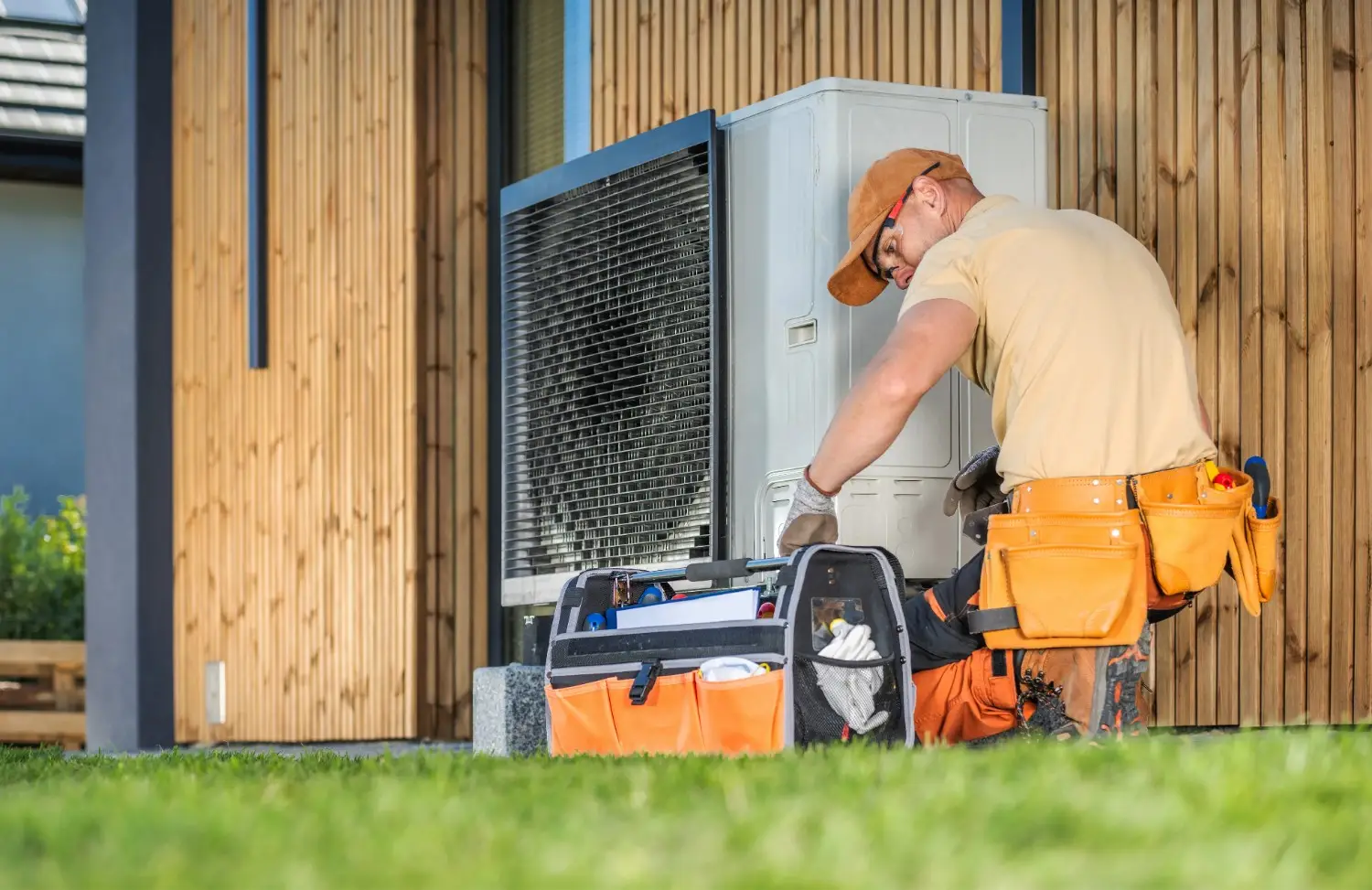
Heat Pump Tune-up in Johns Creek, GA
A professional heat pump tune-up in Johns Creek, GA keeps your system running efficiently through long, humid summers and the occasional cool winter stretch. Regular seasonal maintenance reduces the risk of mid-season breakdowns, improves comfort in your home, and keeps operating costs stable. For homeowners in Johns Creek, where cooling demand dominates much of the year and pollen and humidity can stress outdoor units, a focused tune-up addresses the specific wear factors that affect local systems.
What a standard heat pump tune-up covers
A thorough tune-up verifies safety, restores efficiency, and identifies small issues before they become major repairs. Typical checklist tasks performed during a standard heat pump tune-up include:
- Visual inspection of indoor and outdoor units for rust, physical damage, debris, and proper clearances around the condenser.
- Cleaning coils (evaporator and condenser) to remove dirt, pollen, and debris that reduce heat transfer.
- Checking refrigerant levels and pressure and assessing for leaks when charge is outside manufacturer specifications.
- Measuring airflow and inspecting filters; replacing or recommending the right filter if clogged or dirty.
- Lubricating moving parts such as fan motors and bearings where applicable to reduce friction and noise.
- Tightening electrical connections and testing components (contactors, capacitors, relays) for secure operation and correct voltage/amp draw.
- Calibrating thermostats and controls to confirm accurate temperature readout and proper system staging.
- Testing defrost cycle and reversing valve operation to ensure smooth heating mode in colder weather.
- Inspecting drain lines and pans to prevent water backups and microbial growth in humid conditions.
- Recording system performance baseline (pressures, temperatures, amp draw) for future comparisons.
Common heat pump issues in Johns Creek homes
Johns Creek homes commonly face a set of recurring problems due to regional climate and common installation practices:
- Reduced coil efficiency from seasonal pollen and tree debris around outdoor units.
- Decreased airflow from clogged filters or partially blocked ducts.
- Low refrigerant charge from slow leaks, causing reduced cooling output.
- Short cycling or inadequate defrosting during cool, damp conditions.
- Worn electrical connections or failing capacitors after heavy summer use.
- Thermostat drift or improper setup following power outages or renovations.
Identifying these issues during a tune-up prevents them from escalating into compressor failures or system shutdowns during peak demand.
How the diagnostic process works (what technicians test)
During a tune-up, technicians run a sequence of tests to assess system health and performance. Tests are explained in plain terms so you understand what they measure and why it matters:
- Operational run check: The system is run through cooling and heating cycles while the technician observes for odd noises, vibrations, or abnormal cycling.
- Temperature split measurement: Indoor return temperature vs. supply temperature is measured. A typical cooling temperature drop is 16–22°F; deviations signal airflow or refrigerant issues.
- Refrigerant charge check: Pressures and temperatures are compared to manufacturer specs. Proper charge ensures efficient heat transfer and prevents compressor stress.
- Electrical load and components check: Voltage and amp draws are measured to spot failing motors or unsafe electrical connections.
- Airflow assessment: Static pressure and fan performance are evaluated; insufficient airflow often points to filters, duct restrictions, or blower motor problems.
- Defrost and reversing valve check: Ensures heating mode is reliable when needed and that the unit sheds frost correctly.
Results are documented so you have a performance baseline and clear evidence of any recommended repairs.
Repairs and solutions commonly recommended after a tune-up
When a tune-up finds issues, the usual solutions include:
- Coil cleaning or fin straightening to restore heat transfer efficiency.
- Filter replacement and duct cleaning recommendations to improve airflow and indoor air quality.
- Refrigerant leak repair and recharge when leaks are detected.
- Replacement of worn capacitors, contactors, or blower motors to restore reliable operation.
- Thermostat recalibration or upgrade recommendations for more accurate control and energy savings.
- Drain line clearing and antimicrobial treatment to reduce clogging and mold growth in humid months.
Technicians prioritize safety and efficiency fixes first—those that prevent failures and restore proper operation.
Recommended frequency and seasonal timing in Johns Creek
Most manufacturers and HVAC professionals recommend a tune-up at least once a year, but for Johns Creek homes the ideal schedule is:
- Biannual tune-ups (spring and fall) when the system transitions between heavy cooling and occasional heating. Spring checks prepare your heat pump for sustained cooling; fall checks ensure reliable heating and address summer wear.
- At minimum, an annual tune-up is essential. Homes with pets, heavy pollen exposure, or older systems benefit from more frequent inspections.
Scheduling maintenance before the busiest seasons reduces wait times for service and lowers the chance of performance issues during peak temperature periods.
Expected performance outcomes after a professional tune-up
A properly executed tune-up delivers measurable improvements you can expect to see and feel:
- Improved efficiency: Cleaner coils and correct refrigerant charge reduce compressor workload, often lowering energy use by a noticeable percentage depending on initial condition.
- More consistent comfort: Better airflow and calibrated thermostats reduce hot/cold spots and stabilize indoor temperatures.
- Reduced noise and vibration: Lubrication and tightened components quiet the system.
- Lower risk of breakdowns: Early replacement of failing components prevents sudden failures during extreme weather.
- Longer equipment life: Routine maintenance minimizes wear and helps the system reach its expected service life.
Performance metrics technicians typically report include temperature split, refrigerant pressures, amp draw within manufacturer ranges, and thermostat accuracy.
Maintenance tips specific to Johns Creek homeowners
- Keep outdoor units clear of leaves, grass clippings, and landscape mulch during spring and summer to prevent airflow restriction.
- Replace pleated filters every 90 days or sooner if you have pets, recent renovations, or higher indoor particulates.
- Monitor condensation drains during rainy seasons; high humidity and frequent storms can accelerate clogging.
- If your home is in a neighborhood with heavy tree cover, schedule extra inspections during and after pollen season to avoid coil contamination.
- Consider programmable or smart thermostats to reduce runtime during unoccupied hours, which is especially helpful during long cooling seasons.
Regular, documented tune-ups tailored to Johns Creek conditions protect comfort and budget by keeping your heat pump operating as designed.
Customer
Testimonials


Service Areas