
Heat Pump Repair in Johns Creek, GA
.webp)
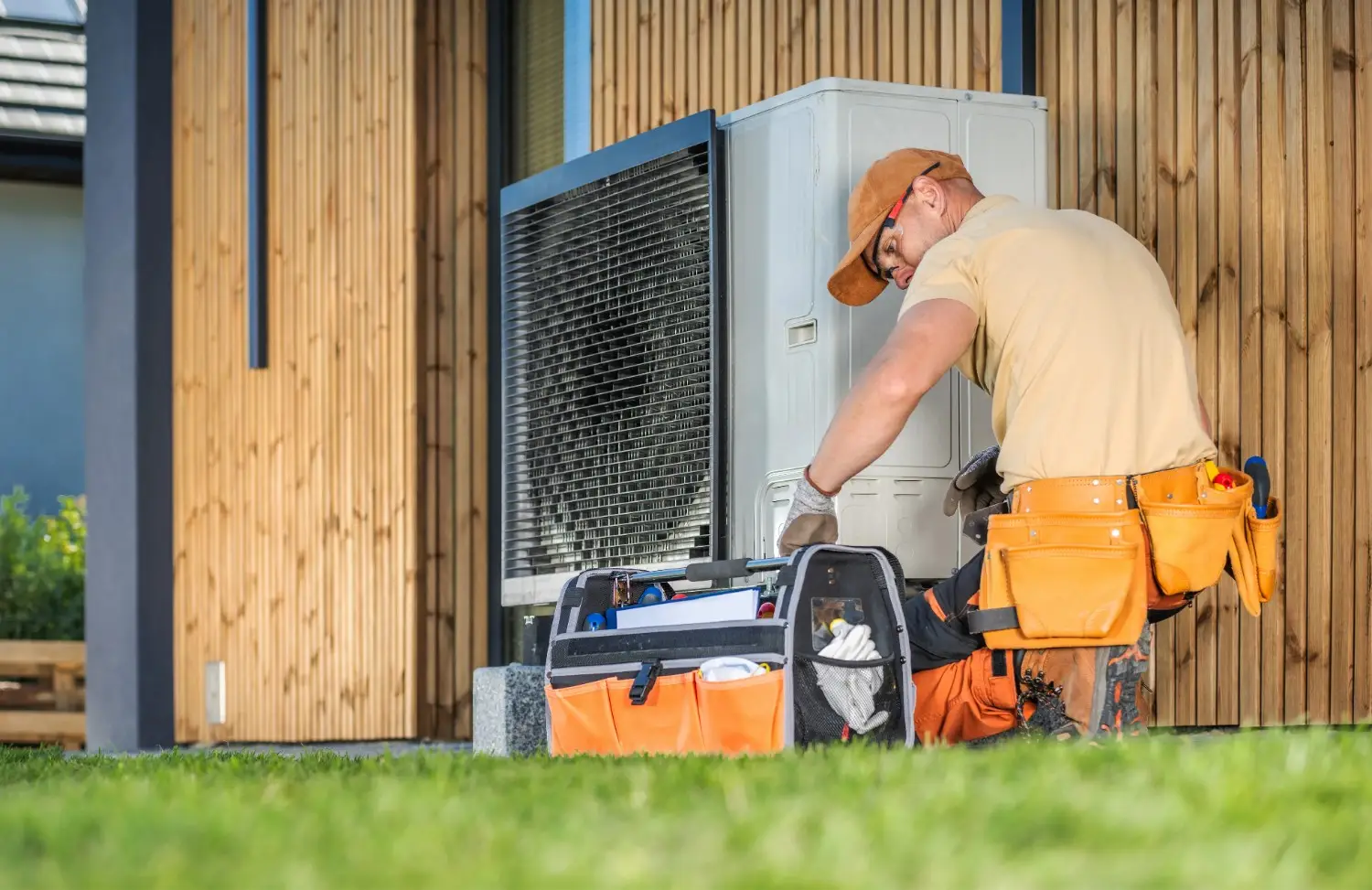
Heat pump repair in Johns Creek, GA, covers modern diagnostic procedures, on-site repairs, and parts replacement for both emergency and scheduled service. Our approach guides homeowners through common failure modes, rapid triage, and transparent pricing with written estimates. Expect clear timelines, safety-focused work areas, and warranties on labor and components. We emphasize proactive maintenance, triage tips to prevent downtime, and after-hours triage policies. This service aims to restore comfort quickly while protecting equipment and indoor air quality.
Heat Pump Repair in Johns Creek, GA
When a heat pump quits working in Johns Creek, GA, it affects more than comfort—high humidity summers and damp, cold snaps can make malfunctioning equipment a health and safety issue. This page explains emergency and scheduled heat pump repair in Johns Creek, GA, covering common failure modes, the diagnostic process, on-site repairs and parts replacement, typical response expectations, service guarantees, pricing expectations, triage tips you can use right now, and how expedited or after-hours requests are handled.
Why timely heat pump repair matters in Johns Creek
Johns Creek homes face hot, humid summers and occasional chilly winter mornings. Heat pumps are used year-round for both heating and cooling, so delays can lead to excess humidity, indoor air quality problems, frozen coils, or compressor damage. Prompt repair restores comfort sooner, reduces utility waste, and often prevents a small issue from becoming a major component failure.
Common heat pump problems in Johns Creek
Most service calls stem from a handful of repeat issues. Identifying the symptom helps prioritize emergency vs scheduled service.
- No heat or no cooling: Unit runs but air is not the right temperature. Causes include refrigerant loss, compressor failure, or reversing valve faults.
- Short-cycling: Unit turns on and off frequently. Often caused by oversized thermostat settings, low refrigerant, electrical problems, or safety limit trips.
- Thermostat issues: Incorrect wiring, dead batteries, or calibration errors can make the system behave as if it is broken.
- Refrigerant leaks: Low refrigerant causes poor performance and can damage the compressor. Leaks are more common in older systems and after storm damage.
- Frozen evaporator coil: High humidity, restricted airflow, or low refrigerant will freeze the coil and reduce output.
- Fan, motor, or capacitor failures: Fans that don’t spin or motors that hum but won’t start will stop heat transfer and can cause overheating or freeze conditions.
- Poor airflow: Clogged filters, blocked return vents, or failing blowers reduce efficiency and can trip the system.
- Electrical faults: Tripped breakers, failed contactors, bad relays, or worn wiring can prevent startup or create intermittent operation.
- Drain and condensate problems: Humid conditions in Johns Creek can cause blocked drain lines or overflowing pans, leading to shutdowns or indoor leaks.
Emergency vs scheduled repair
- Emergency repairs: For no heating in freezing conditions, system failure with water leaks that threaten property, electrical burning smells, or when occupants are medically vulnerable due to temperature extremes. These calls are triaged by severity and handled first.
- Scheduled repairs: Non-life-safety issues, intermittent faults, or routine diagnostics can be booked during normal business hours and often addressed within a standard window.
Diagnostic process explained
A clear, step-by-step diagnostic process prevents guesswork and unnecessary parts replacement.
- Intake and symptom review: Gather make/model, age, error codes, and recent changes or weather events.
- Visual inspection: Check outdoor unit, indoor coil, drain lines, control wiring, and thermostat settings.
- Basic electrical checks: Confirm power at the disconnect, breakers, contactors, and control board voltages.
- Airflow and filter check: Measure supply and return airflow and check filters, vents, and blower operation.
- Refrigerant and pressure testing: If performance indicates, measure pressures to detect loss or restriction.
- Component testing: Test capacitors, motors, reversing valves, and sensors for proper operation.
- Diagnosis and estimate: Define the fault, propose repairs or replacement, and provide a written estimate before completing non-emergency work.
Diagnostics are performed on-site with the goal of either repairing the same visit or providing a clear replacement path.
On-site repairs and parts replacement
Common on-site repairs that restore service quickly:
- Thermostat replacement or recalibration
- Capacitor, contactor, and relay replacement
- Fan motor or blower wheel repairs
- Refrigerant leak repair and recovery followed by recharge, performed per regulations
- Replacing run/start capacitors and hard-start kits to revive aged compressors
- Replacing reversing valves or control board modules
- Clearing condensate lines and replacing overflow switches
- Replacing outdoor fan blades or guards
Major failures such as a burnt compressor or extensively corroded coil may require ordering parts or recommending system replacement. When parts are needed, technicians typically carry common components to minimize return visits.
Typical response expectations in Johns Creek
- Emergency situations are prioritized and often handled within a few hours, depending on time of day and local demand.
- Non-emergency service appointments are commonly scheduled within 24 to 72 hours.
- On-site repairs that require special parts may need follow-up visits; technicians will provide a clear timeline and keep work areas safe until completion.
Service guarantees and quality assurances
Reliable repair services provide transparent guarantees to protect homeowners and support system longevity:
- A workmanship guarantee on labor for a defined period after repairs.
- Parts warranties that reflect manufacturer coverage on replaced components.
- Clear documentation of work performed, recommended next steps, and any observed issues that could cause future failures.
Ask about warranty terms and what is and is not covered to make informed decisions about longer-term repairs or replacements.
Pricing expectations (what to expect, not specific costs)
While specific prices vary, expect:
- A diagnostic fee for on-site troubleshooting and testing, documented in the estimate.
- Repair cost drivers include part type and availability, refrigerant needs, labor complexity, and system accessibility.
- Transparent, itemized estimates before proceeding with non-emergency repairs. Emergency responses may have different scheduling and fee structures; the scope and urgency determine the resource allocation.
Homeowner triage tips before help arrives
These quick checks can sometimes restore service or at least prevent further damage while you wait:
- Check the thermostat: Mode (heat/cool), setpoint, and batteries.
- Verify the breaker and outdoor disconnect are on.
- Replace or inspect air filters; restricted airflow causes many issues.
- Ensure outdoor unit is free of debris, leaves, and pollen buildup.
- If you see water, turn off the system to prevent electrical damage and note where it’s coming from.
- Record any error codes displayed on thermostats or control panels and note unusual sounds.
Do not attempt refrigerant repairs or internal electrical work yourself; that can be dangerous and void warranties.
How expedited and after-hours requests are handled
Expedited and after-hours requests are triaged based on safety risk, temperature extremes, and occupant vulnerability. To help an after-hours scheduler assess urgency, have the following ready:
- System make, model, and age if known
- Clear description of symptoms and when they started
- Any visible signs (leaks, smoke smell, ice buildup)
- Accessibility and safe entry instructions for technicians
Emergency scheduling teams prioritize calls and dispatch qualified technicians with the equipment needed to stabilize systems or perform immediate repairs.
Preventive steps to reduce future repairs
Regular maintenance reduces emergency needs in Johns Creek’s climate:
- Seasonal tune-ups in spring and fall to check refrigerant, electricals, and airflow
- Monthly filter checks during heavy use
- Keep outdoor units free of vegetation, debris, and pollen buildup
- Maintain clear condensate lines and inspect drain pans for clogs or damage
- Consider a programmable or smart thermostat for balanced runtime and fewer cycling issues
Timely maintenance preserves efficiency, lowers energy bills, and extends system life.
Timely, professional heat pump repair in Johns Creek, GA restores comfort and protects equipment. Understanding common failures, the diagnostic steps, what repairs require, and how emergency service is triaged helps you make informed decisions when something goes wrong.
Customer
Testimonials


Service Areas