
Heat Pump Installation in Johns Creek, GA
.webp)
Heat pump installation in Johns Creek, GA focuses on accurate sizing and proper design to ensure efficiency and comfort in the Atlanta metro climate. The process begins with on-site load calculations (Manual J) to select the right system, followed by evaluating ductwork for sealing, insulation, and balancing. Homeowners can choose between ducted and ductless options depending on their space and comfort goals. Installation includes permitting, code compliance, equipment setup, and commissioning to verify performance. Expected timelines, warranty coverage, and financing options are reviewed upfront, while energy-saving benefits highlight the value of upgrading. A professional installation ensures reliable heating and cooling year-round with maximized efficiency and long-term reliability.
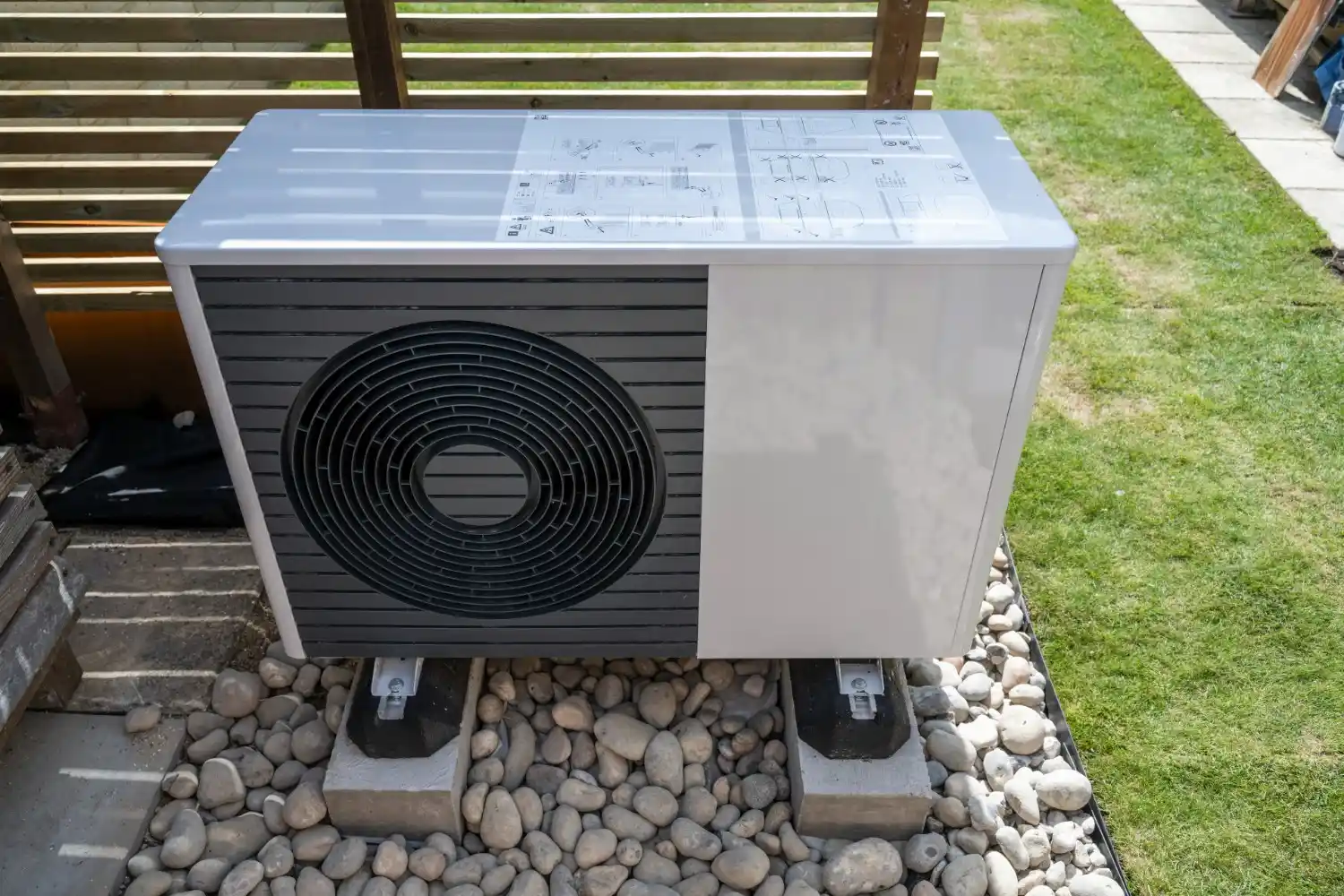
Heat Pump Installation in Johns Creek, GA
Replacing or installing a heat pump is one of the most effective ways to improve year-round comfort and reduce energy costs in Johns Creek, GA. With hot, humid summers and mild winters that occasionally dip into cold snaps, a properly sized, high-efficiency heat pump gives reliable cooling in summer and efficient heating in winter while meeting local permitting and code requirements. This page outlines the full installation process, what to expect on-site, system comparisons, ducted versus ductless choices, permitting, timelines, warranties and financing, realistic energy savings, and the post-installation testing and walkthrough you should insist on.
Why proper installation matters in Johns Creek homes
Johns Creek homes face year-round cooling demand, high humidity, and seasonal heating needs. Improper sizing or poor installation leads to short cycling, weak humidity control, reduced comfort, and higher bills. A professional installation that includes on-site load calculations and duct evaluation ensures the system performs reliably through Atlanta metro weather patterns.
Common heat pump types and how to choose
- Air-source heat pumps (split systems): Most common for existing homes. Efficient for both heating and cooling. Look for units with high SEER and HSPF ratings for best performance in Georgia climate.
- Ductless mini-splits: Ideal for additions, converted spaces, or homes with poor ductwork. Allow zoned comfort and can be more efficient for targeted rooms.
- Cold-climate heat pumps: Better performance during occasional cold snaps. Consider if you want minimal reliance on backup heat.
- Hybrid systems: Pair a heat pump with a gas furnace for areas with frequent sub-freezing temperatures. In Johns Creek, hybrids are chosen mainly for homeowner preference rather than necessity.
Key energy-efficiency terms:
- SEER: Seasonal Energy Efficiency Ratio — cooling efficiency. Higher is better for summer savings.
- HSPF: Heating Seasonal Performance Factor — heating efficiency.
- COP / EER: Metrics used for instant efficiency and performance at specific temperatures.
On-site load calculations and system sizing
Correct sizing begins with an on-site load calculation (Manual J) and equipment selection (Manual S). A thorough evaluation includes:
- Square footage, ceiling heights, insulation levels, window type and orientation, shade, and air infiltration.
- Household occupancy, appliances, and internal heat gains.
- Existing ductwork condition, insulation, and leakage.
- Desired indoor temperature and humidity control needs.
Why sizing matters:
- Oversized units short cycle, causing poor humidity control and higher wear.
- Undersized units run continuously with reduced comfort.
- Properly sized equipment maximizes efficiency, longevity, and consistent comfort for Johns Creek conditions.
Ductwork versus ductless considerations
- Ducted installation benefits: Uses existing ductwork for whole-home comfort, clean appearance, and simpler integration with central systems. Requires duct inspection and possible sealing or resizing to meet airflow needs.
- Ductless installation benefits: Avoids duct losses, allows room-by-room control, and is less invasive for additions or retrofits. Outdoor unit connects to one or several indoor heads.
- Typical Johns Creek choices: Many suburban homes with existing ducts opt for a high-efficiency ducted heat pump after duct sealing and balancing. Homes with problematic or no ducts often choose ductless mini-splits for targeted efficiency.
Permitting and code compliance in Johns Creek, GA
Installations require permits and inspections through the City of Johns Creek building department and must comply with Georgia mechanical and energy codes. A professional installer will:
- Pull the required permits and schedule inspections.
- Ensure refrigerant handling and electrical work meets local and federal regulations.
- Provide documentation and equipment specifications for code compliance.
Permitting timelines vary; planning for permit approval prevents delays during the installation schedule.
Typical timeline from quote to commissioning
- Initial quote and phone consultation: 1 to 3 days.
- On-site visit with load calculation and duct assessment: same day or within a week.
- Equipment selection and permit submission: 1 to 14 days depending on permit backlog.
- Installation:
- Ducted systems: 1 to 3 days for standard replacements.
- Ductless systems: 1 to 2 days per zone, often completed over 1 to 3 days.
- Commissioning and final inspection: same day as completion or within a few days.Total project time from first visit to commissioning generally ranges from one to four weeks, depending on permitting and equipment availability.
Warranty and financing options
- Manufacturer warranties commonly include limited parts and compressor coverage; many compressors carry 10-year warranties when registered. Labor warranties vary by installer and should be documented.
- Extended warranties and service plans are available for ongoing protection.
- Financing options include energy-efficient home improvement loans, HVAC-specific financing, or local lender programs. Many Johns Creek homeowners also explore utility rebates and federal incentives for high-efficiency heat pumps to offset upfront cost.
Expected performance and energy savings
- Heating: Heat pumps typically reduce heating energy use by 30 to 60 percent compared to electric resistance heat. Cold-climate models preserve efficiency during lower outside temperatures.
- Cooling: Moving from older units to a high-SEER heat pump often yields 20 to 40 percent lower cooling bills, especially important during Johns Creek’s long cooling season.
- Humidity control improves with properly sized and commissioned systems, enhancing comfort and protecting interiors.
Actual savings depend on current equipment, insulation, thermostat settings, and usage patterns.
Post-installation testing and customer walkthrough
A complete commissioning includes:
- Verifying refrigerant charge using superheat/subcooling techniques.
- Measuring airflow (CFM) and confirming proper static pressures.
- Testing safety controls, electrical connections, and defrost cycles.
- Balancing ducts and confirming temperature split (delta T) across the evaporator coil.
- Programming thermostats and demonstrating system modes and schedules.
- Explaining maintenance needs: filter access, outdoor unit clearance, drain lines, and seasonal service schedules.
The technician should walk you through system operation, show where filters and switches are located, and provide documentation on warranty and maintenance recommendations.
Maintenance tips and long-term benefits
- Schedule annual tune-ups before cooling season; check coils, refrigerant, and electrical components.
- Replace filters monthly to quarterly depending on use.
- Keep 2 to 3 feet of clear space around the outdoor unit and trim landscaping to maintain airflow.
- Seal and insulate ducts in attics or crawlspaces to preserve system efficiency.
A professionally installed heat pump in Johns Creek delivers reliable year-round comfort, lower energy bills, and reduced carbon footprint when paired with regular maintenance and smart thermostat use.
Customer
Testimonials


Service Areas