
Heat Pump Maintenance in Johns Creek, GA
.webp)
Johns Creek residents can rely on a structured heat pump maintenance program designed to protect performance, extend equipment life, and preserve warranty coverage. This page outlines routine visit items, diagnostic approaches, preventative measures, and how priority scheduling and bundled options reduce downtime and costs. Detailed service reports and long-term recordkeeping support warranty compliance, simplify future diagnostics, and provide resale documentation. Regular tune-ups, careful inspections, and proactive care help maintain efficiency, improve comfort, and prevent unexpected outages during peak seasons.
Heat Pump Maintenance in Johns Creek, GA
Keeping your heat pump running reliably and efficiently is essential in Johns Creek, GA, where humid summers and mild winters put year-round demands on HVAC equipment. Regular heat pump maintenance helps prevent mid-summer breakdowns, extends equipment life, preserves energy efficiency, and ensures compliance with manufacturer warranty terms. This page explains ongoing maintenance programs and service agreements, what routine visits cover, the benefits of priority scheduling and bundled services, how recordkeeping supports warranty and performance, and practical preventative measures tailored to Johns Creek homes.
Why ongoing heat pump maintenance matters in Johns Creek
Johns Creek experiences long cooling seasons with high humidity and frequent pollen and leaf fall from mature trees common in the area. These local factors increase strain on outdoor units and filters, accelerate coil fouling, and can lead to condensate or drainage issues. Even though winters are usually mild, occasional cold snaps require reliable defrost cycles and functioning controls. Regular maintenance reduces the chance of costly failures during peak demand and helps your system operate at rated efficiency when you need it most.
Common heat pump issues in Johns Creek homes
- Restricted airflow from dirty filters, clogged coils, or obstructed return vents
- Reduced refrigerant charge from slow leaks that lower efficiency and capacity
- Frozen outdoor coils or erratic defrost cycles during sudden cold snaps
- Clogged condensate drains leading to water damage or indoor humidity problems
- Worn electrical components, loose connections, or failing capacitors that cause intermittent operation
- Accumulated debris, pollen, and leaves around outdoor units that impede airflow and increase compressor work
- Thermostat calibration drift leading to short-cycling or temperature overshoot
Understanding these patterns helps shape effective seasonal maintenance that targets the issues most likely to affect homes in Johns Creek.
What a routine heat pump maintenance visit includes
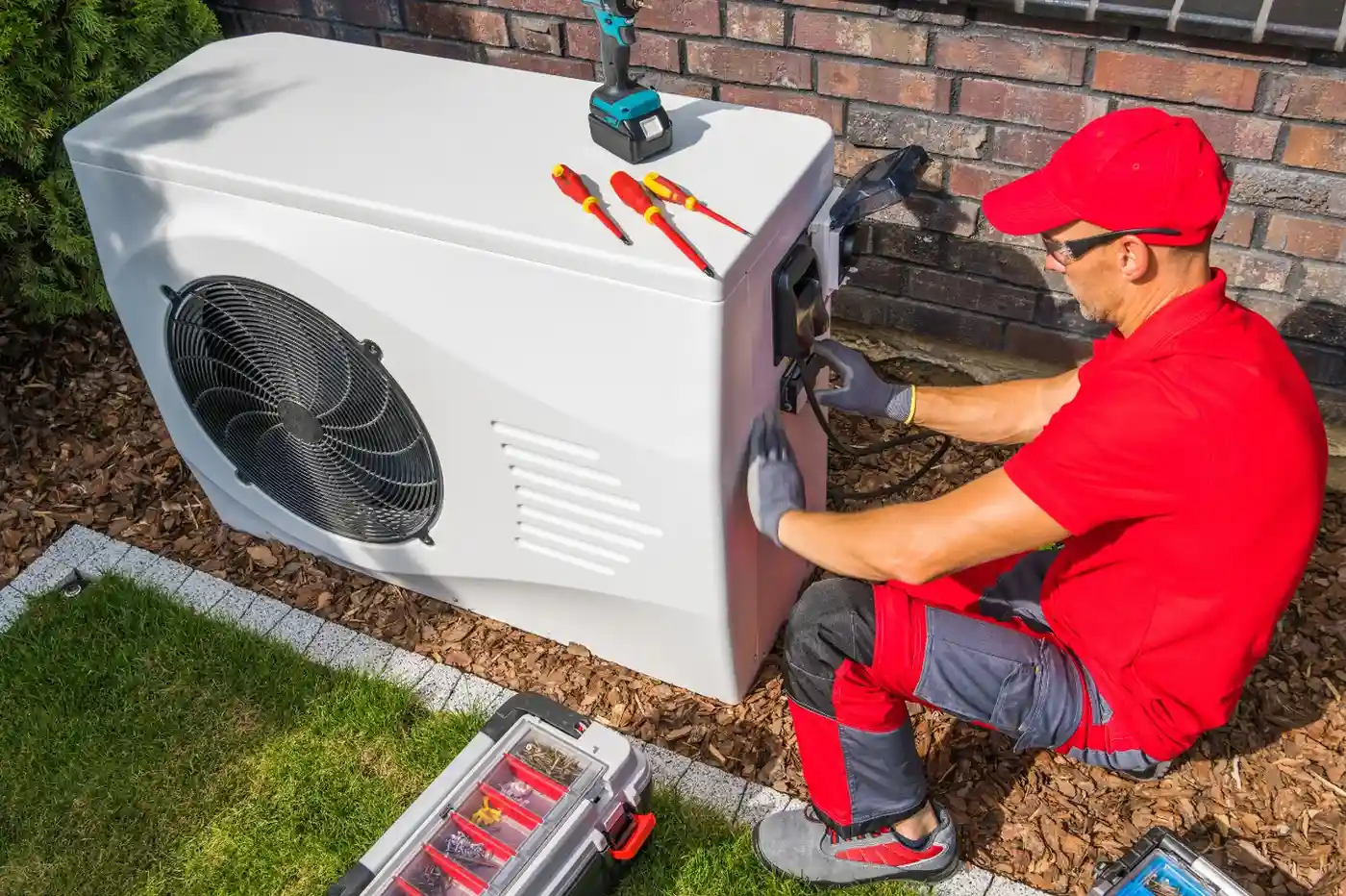
Routine maintenance visits in a structured program are thorough and standardized to protect performance and warranties. Typical items covered during each scheduled visit include:
- Visual inspection of indoor and outdoor units for debris, damage, and proper clearances
- Filter check and replacement or recommendation based on type and condition
- Cleaning of outdoor coil fins and indoor evaporator coil inspection and cleaning as needed
- Inspection and clearing of condensate drain and trap to prevent backups
- Measurement of refrigerant pressure and temperature to identify leaks or improper charge
- Tightening and inspection of electrical connections, contactors, relays, and capacitors
- Motor and blower inspection; lubrication where applicable
- Verification of correct airflow and static pressure checks when necessary
- Thermostat calibration and control sequence verification
- Defrost cycle check and evaluation of reversing valve function
- System performance test: measuring temperatures, run times, and basic efficiency indicators
- Safety checks for proper operation of safety controls and disconnects
Visits are documented with a clear service report outlining findings, recommended repairs, and any parts replaced. For ongoing programs, reports are retained as part of your service history.
Maintenance program features and service agreement options
Maintenance programs are designed to reduce hassle and protect your investment. Typical elements of a service agreement include:
- Scheduled seasonal visits - usually spring and fall - timed to prepare for cooling and heating seasons
- Priority scheduling for agreement holders during peak periods when demand is highest
- Discounted labor or bundled pricing on diagnostic service calls and parts for covered systems
- Multi-system or multi-year bundle options for whole-house coverage and predictable service planning
- Reminder scheduling and coordination to fit your seasonal needs and local weather patterns
- Transferable service records that can help with resale documentation or warranty claims
These program elements provide predictable maintenance, faster response when issues arise, and documented proof of regular service that manufacturer warranties often require.
Diagnostic approach and reporting
A disciplined diagnostic process ensures you get clear information and targeted repairs:
- Baseline testing: Record system temperatures, pressures, and run behavior at the start of the visit.
- Component inspection: Visually and electrically test key components, looking for wear or failure modes.
- Performance analysis: Compare measured values against manufacturer specifications to spot inefficiency or failure.
- Report and recommendations: Deliver a concise report listing findings, prioritized recommendations, and estimated parts or labor needed for corrective work.
- Recordkeeping: Store the report in a long-term service history file that supports warranty compliance and future diagnostics.
Accurate records make it easier to identify chronic problems, track refrigerant usage, and document compliance with manufacturer maintenance requirements.
Preventative measures to extend life and maintain efficiency
Proactive steps that often accompany a maintenance agreement reduce stress on your system and lower lifecycle costs:
- Replace filters at recommended intervals based on household conditions and local pollen levels
- Keep at least two feet of clearance around outdoor units and remove leaves, grass, and debris regularly
- Trim nearby vegetation that drops sap or pollen onto coils and reduces airflow
- Ensure gutters and downspouts direct water away from the equipment pad to avoid standing water
- Maintain a stable thermostat schedule to avoid excessive cycling; use setbacks sensibly during shoulder seasons
- Schedule pre-season tune-ups to address small problems before they escalate during high demand
These habits, combined with professional tune-ups, help maintain capacity and efficiency and delay costly component failures.
Benefits of regular maintenance and warranty compliance
Regular, documented maintenance delivers multiple tangible benefits for Johns Creek homeowners:
- Higher reliability during extreme summer humidity and occasional winter cold
- Better comfort with consistent airflow and accurate temperature control
- Lower energy bills by preserving rated efficiency and preventing refrigerant undercharge
- Longer equipment life through reduced wear on compressors, motors, and coils
- Faster service response and preferred scheduling during peak times
- Clear documentation supporting manufacturer warranty claims, which often require routine professional maintenance
By treating maintenance as an integral part of system ownership, homeowners protect both comfort and investment value.
Final considerations
A structured heat pump maintenance program tailored to Johns Creek conditions reduces risk, improves comfort, and preserves efficiency. For many homeowners, the combination of seasonal tune-ups, priority service access, bundled discounts for multiple systems, and detailed recordkeeping provides the most reliable path to trouble-free operation and long-term savings. Regular service not only prevents emergency failures but also maintains manufacturer warranty coverage and ensures documented performance that adds value to your home.
Customer
Testimonials


Service Areas