
Plumbing Replacement in Johns Creek, GA
.webp)
Johns Creek's plumbing replacement guide outlines when to replace aging pipes, water heaters, and sewer lines, and explains material options like PEX, copper, CPVC, and trenchless sewer methods. The process emphasizes thorough diagnostics, cost-conscious planning, and minimal disruption while aligning with local conditions. It covers planning timelines, permitting, warranties, and maintenance to maximize long-term performance and protect the home. By prioritizing quality components and expert scheduling, homeowners achieve reliable water flow, reduced repairs, and lasting value for years to come.
Plumbing Replacement in Johns Creek, GA
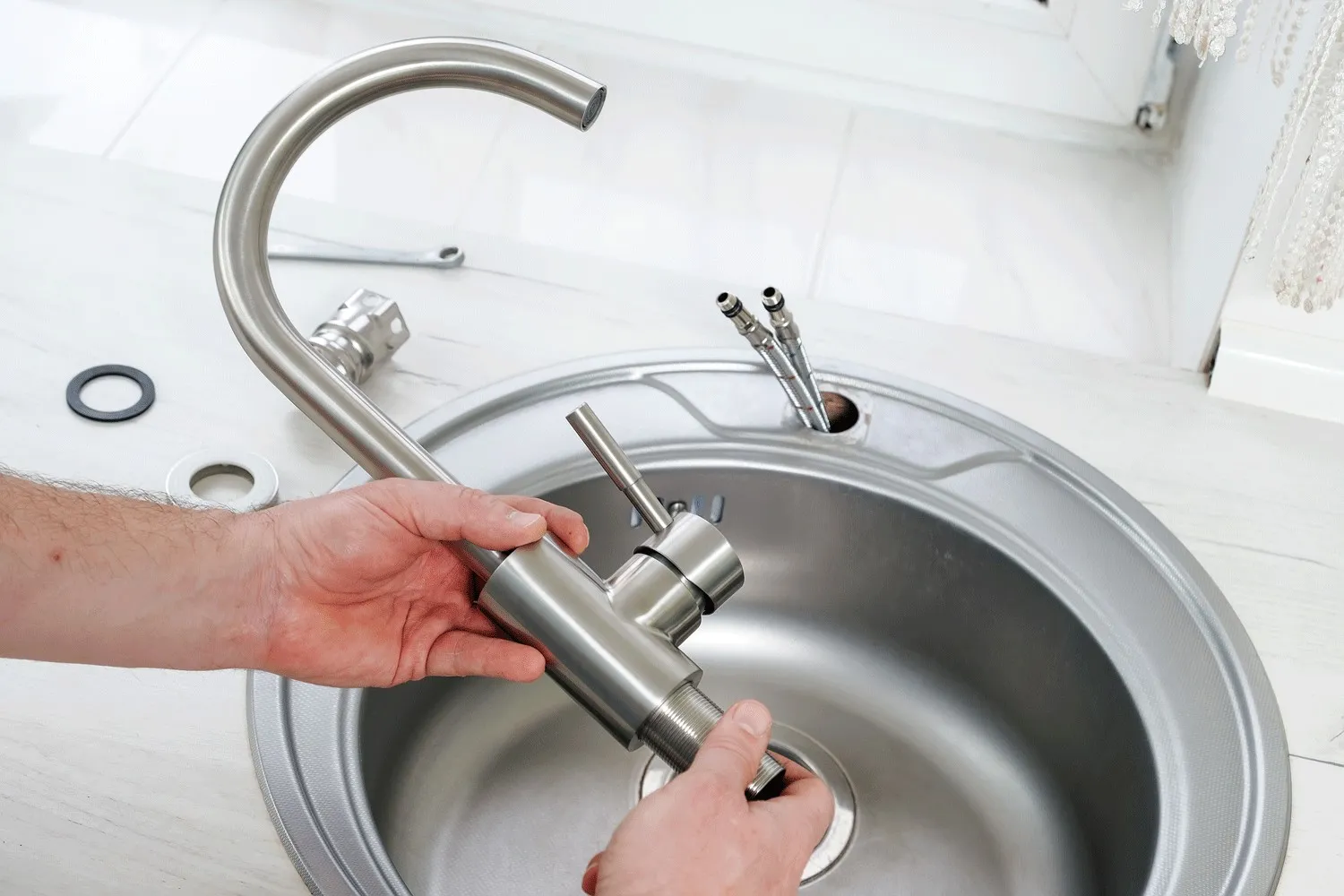
Replacing aging or failing plumbing components is one of the smartest investments you can make in your Johns Creek home. Whether you need whole-house repiping, a water heater replacement, sewer line work including trenchless options, or fixture upgrades, the goal is the same: restore reliable water flow, prevent damage, and improve long-term performance with materials and methods suited to local conditions. This page explains signs that replacement is needed, material choices, what the work involves, how projects are planned and scheduled, how to minimize disruption, and recommended warranties and maintenance specific to Johns Creek, GA homes.
Why replacement matters in Johns Creek homes
Johns Creek sits in the Atlanta metro area with hot, humid summers, occasional winter freeze events, and clay soils common in northern Georgia. Those regional factors influence plumbing longevity:
- Mineral-rich, moderately hard water contributes to scale buildup in water heaters and fixtures.
- Expansive clay soils and active tree roots increase the risk of sewer line shifting and root intrusion.
- Older subdivisions may still have galvanized or corroded copper piping that fails more often.
Timely replacement reduces repeated repair calls, lowers the risk of water damage, and can improve water quality and system efficiency.
Common plumbing replacement needs in Johns Creek
Here are the typical projects homeowners request and the warning signs to watch for.
- Whole-house repiping
- Signs: frequent pinhole leaks, low hot water pressure in multiple fixtures, rusty or discolored water, last repairs were patchwork.
- Typical cause: aging copper or galvanized systems, corrosion, or very old polybutylene piping.
- Water heater replacement
- Signs: no hot water, rusty water, rumbling noises, leaks at the tank base, frequent repairs.
- Local factor: mineral scale from hard water reduces efficiency and shortens tank life.
- Sewer line replacement (including trenchless)
- Signs: repeated sewer backups, slow drains throughout the house, soggy or unusually green patches in the yard, sewer odors.
- Local factor: tree roots and clay soil movement commonly damage sewer lines in Johns Creek.
- Fixture and valve replacement
- Signs: persistent drip after valve repairs, mismatched or inefficient fixtures, faulty shower diverters or faucet cartridges.
How we diagnose what needs replacement
A methodical inspection ensures you replace the right components at the right time:
- Visual inspection of accessible pipes, fixtures, and the water heater.
- Water quality testing for hardness, pH, and sediment that affect material choice.
- Pressure testing and leak detection to locate hidden leaks or weak sections.
- Camera inspection for sewer lines to see root intrusion, bellied pipe sections, or collapsed segments.
- Review of repair history and age of components to weigh repair vs replacement.
The diagnostic step avoids unnecessary work and identifies the most cost-effective scope that solves the root cause.
Material choices and what they mean for Johns Creek
Selecting the right materials affects longevity, cost to maintain, and disruption level.
- PEX
- Pros: flexible, resistant to corrosion, faster installation (less demolition), good for repiping older homes.
- Cons: not suitable for exterior runs exposed to sunlight.
- Recommended for Johns Creek because it resists mineral buildup and handles small freeze events better than rigid pipe.
- Copper
- Pros: proven durability, high heat tolerance.
- Cons: more expensive, susceptible to pinhole leaks in certain water chemistries.
- Consider for visible or high-temperature applications when preferred.
- CPVC
- Pros: lower cost than copper, corrosion resistant.
- Cons: more rigid than PEX, can be brittle with age.
- Sewer materials: PVC or HDPE
- For trenchless replacement, HDPE offers strong, flexible long-term performance; PVC remains common for traditional dig-and-replace.
Material decisions will factor in local water chemistry, soil conditions, and the homeowner preference for long-term performance versus upfront disruption.
Project planning and typical timelines
Work is scheduled to minimize disruption and fit the scope of the house and neighborhood rules in Johns Creek.
- Water heater replacement: most residential tank or tankless swaps are completed in a single day once equipment arrives.
- Fixture and valve upgrades: typically a few hours to a day depending on quantity and scope.
- Whole-house repiping: usually 2 to 7 days depending on home size, access to crawlspace or attic, and whether walls need repair afterwards.
- Sewer line replacement:
- Trenchless options (pipe bursting or slip lining): often completed in 1 to 3 days with minimal landscaping impact.
- Traditional excavation: can take several days to a week depending on yard size, depth, and permitting.
Planning includes ordering materials, inspecting access points, acquiring any required local permits, and scheduling work to account for weather and community considerations in Johns Creek neighborhoods.
Managing disruption and protecting your home
Replacement projects can be disruptive, but planning reduces impact:
- Staged work and temporary water setups keep critical plumbing functional.
- Containment of work areas to limit dust and protect floors and landscaping.
- Use of trenchless sewer methods to avoid major yard disturbance where possible.
- Clear timelines and daily updates help homeowners plan around the work.
Homes with active landscaping or irrigation systems common in Johns Creek communities will be protected and restored as part of the project plan.
Costs, financing, and budgeting (what to expect)
Instead of quoting numbers, it helps to understand cost drivers and financing options:
- Major factors: scope (partial vs full repipe), materials chosen, home size and accessibility, sewer depth and condition, and local permit requirements.
- For budgeting, homeowners should consider the long-term value of higher-quality materials that reduce future repair frequency.
- Financing options commonly available: home improvement loans, contractor financing plans, or using home equity products. Discussing schedules and payment plans up front allows homeowners to select the approach that best fits their budget.
Warranties and maintenance recommendations
- Parts and manufacturer warranties: choose components with clear manufacturer warranties for tanks, fittings, and piping.
- Workmanship warranty: ask for a written warranty covering installation and labor for a reasonable period.
- Routine maintenance to extend service life:
- Annual water heater flush to remove sediment.
- Water quality testing and a softener or scale-reducing device if mineral levels are high.
- Periodic sewer camera inspections, especially if trees overhang the sewer line.
- Prompt attention to minor leaks to prevent escalation.
Regular maintenance and selecting the right materials for Johns Creek conditions will maximize return on investment and reduce emergency repairs.
Final considerations
Plumbing replacement is a substantial home improvement that restores reliability, protects your property from water damage, and can improve energy efficiency and water quality. In Johns Creek, addressing local factors such as clay soils, tree root activity, and mineral-rich water during planning ensures the system performs well for decades. A careful diagnostic process, appropriate material choices, and clear expectations around timelines, disruption, warranties, and maintenance make the difference between a short-term fix and a long-lasting solution.
Customer
Testimonials


Service Areas