
Plumbing Installation in Johns Creek, GA
.webp)
Johns Creek plumbing installation services deliver properly sized, permitted, and code-compliant water, gas, and drainage systems. From fixture replacements to tankless and traditional water heater installs, sump pumps, gas lines, and full-system repipes, local expertise helps address climate and code requirements. A thorough consult determines demand, fixture counts, and optimal sizing, while permit planning, inspections, and warranties provide peace of mind. Energy-efficient options and lifecycle costs are discussed to help homeowners choose durable, cost-effective solutions tailored to Johns Creek conditions.
Plumbing Installation in Johns Creek, GA
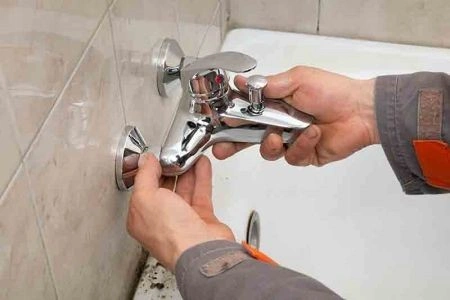
Professional plumbing installation in Johns Creek, GA ensures your home’s water, gas, and drainage systems are sized, permitted, and installed to perform reliably in local conditions. Whether you are replacing a single fixture, upgrading to a tankless water heater, adding a sump pump for crawlspace protection, or installing a full new system, expert installation minimizes future repairs, keeps energy use low, and preserves property value.
Why local expertise matters for Johns Creek plumbing installation
Johns Creek homes face regional challenges that affect plumbing choices. Hot, humid summers increase demand on water heaters and can accelerate corrosion in certain materials. Hard water mineral buildup is common in the Atlanta metro area and can shorten the life of fixtures and appliances. Winter overnight freezes, while infrequent, can still cause outdoor and poorly insulated pipes to crack. Local installers know Gwinnett County permit requirements, city inspection processes, and common construction types in Johns Creek subdivisions and can recommend solutions that address these conditions.
Common plumbing installation services in Johns Creek
- Fixture and faucet replacement: sinks, toilets, showers, tubs, and outdoor hose bibs with low-flow and high-efficiency options
- Water heater installation: conventional storage tanks, high-efficiency models, and heat pump units
- Tankless water heater installation: point-of-use or whole-house systems sized for family demand
- Sump pump installation and battery backup: for crawlspaces and low-lying yards prone to heavy rain
- Gas line hookups: ranges, gas water heaters, fireplaces, and outdoor grills with code-compliant connections
- Full system installs: new construction plumbing, repipes, or whole-home upgrades including drainage and venting
- Backflow prevention and pressure regulation: protect potable water and ensure consistent pressure throughout the house
Typical problems driving installations
Homeowners in Johns Creek request installations to address these common issues:
- Persistent mineral buildup and low flow in fixtures due to hard water
- Insufficient hot water capacity for growing households or high-demand appliances
- Aging galvanized or polybutylene piping that is prone to leaks
- Noisy or inefficient water heaters reaching end of service life
- Crawlspace moisture or basement seepage during heavy rain events
- Need for an additional gas line for new appliances or outdoor features
Consultation and sizing: right-sizing equipment for real use
A proper installation begins with a consult that assesses household demand, fixture counts, peak simultaneous usage, and site constraints. For water heaters, this includes calculating first hour rating for tanks or flow rate and temperature rise for tankless units based on your incoming water temperature and elected setpoint. For gas appliances, sizing the gas line and meter capacity prevents underperformance and safety issues. During the consultation, installers should also identify water quality issues that affect equipment lifespan and recommend pre-filters, softeners, or scale-reduction systems as needed.
Permit, code compliance, and inspections
All plumbing installations in Johns Creek must comply with Georgia plumbing code and local Gwinnett County or Johns Creek municipal requirements. Typical steps include:
- Preparing detailed plans or scopes for permit submission where required
- Pulling permits for water heater replacements, gas line modifications, and new system installs
- Scheduling and passing required inspections for rough-in and final phases
- Providing documentation and warranty registration after completion
Correct permitting protects homeowners from fines, ensures insurance coverage remains intact, and verifies work meets safety and performance standards.
Equipment options and energy-efficient choices
- Low-flow fixtures and high-efficiency toilets reduce water use without sacrificing performance
- ENERGY STAR and high-efficiency tank water heaters reduce operating costs; heat pump water heaters offer significant savings in warm climates
- Tankless water heaters provide on-demand hot water and save space; they are especially attractive for homeowners seeking continuous supply and lower standby losses
- Sump pumps with battery backup maintain protection during storm-related power outages common during summer storms
- Durable piping options such as PEX resist freezing damage and simplify repiping projects
Discussing lifecycle cost, warranty length, and local utility rebates or incentive programs helps homeowners select the most cost-effective, climate-appropriate equipment. Installers in Johns Creek can provide guidance about potential rebate opportunities and financing options to ease upfront costs.
Installation process and typical timelines
While exact timelines vary by project scope, common expectations are:
- Fixture replacement: 1 to 2 days, depending on plumbing configuration and finish work
- Water heater replacement: typically completed in one day if permits are straightforward
- Tankless water heater installation: 1 to 2 days including gas line or venting upgrades
- Sump pump installation: 1 day for standard installations; battery backup adds time
- Full system or repipe: multiple days to a week depending on home size, access, and inspection scheduling
A professional installer will provide a phased schedule, including permit acquisition timeframes and expected inspection windows, and will protect interiors during work to minimize disruption.
Warranties and post-installation support
Reliable installations include manufacturer warranties for equipment and workmanship guarantees from the installer. Common warranty elements:
- Manufacturer parts and limited labor warranties for water heaters and appliances
- Installer workmanship warranty covering leaks and installation defects for a defined period
- Guidance on routine maintenance requirements to preserve warranties, such as flushing tanks, checking anode rods, and inspecting sump pump operation
Requesting written warranty terms and an operation guide helps homeowners maintain systems properly and extend service life.
Maintenance, longevity, and local tips
- Flush storage water heaters annually to remove sediment and extend efficiency in hard water areas
- Consider whole-house water treatment or scale-control options in Johns Creek to protect fixtures and appliances
- Insulate exposed pipes and install freeze protection for outdoor hydrants and irrigation lines
- Test sump pumps seasonally and verify battery backups before storm seasons
- Schedule professional inspections of gas lines and water heaters every 1 to 2 years to ensure safe operation
ConclusionPlumbing installation in Johns Creek, GA is an investment in home safety, comfort, and efficiency. Locally informed sizing, code-compliant permitting, energy-smart equipment choices, and skilled workmanship reduce the risk of future failures and provide predictable performance tailored to the challenges of the Johns Creek environment. Detailed planning, clear timelines, and documented warranties make the installation process straightforward and protect your home for years to come.
Customer
Testimonials


Service Areas