Plumbing Maintenance in Johns Creek, GA
.webp)
This page explains a tailored Plumbing Maintenance program for Johns Creek, GA, detailing why regular upkeep matters and what plans typically include: inspections, cleaning, valve and fixture checks, leak detection, documentation, priority service, and member discounts. It describes common local issues such as mineral buildup, slow drains, leaks, and weather-related stresses, and how planned visits prevent costly failures. It also covers enrollment steps, contract terms, long-term cost savings, and how maintenance history supports reliability and value for homes and businesses.
Plumbing Maintenance in Johns Creek, GA
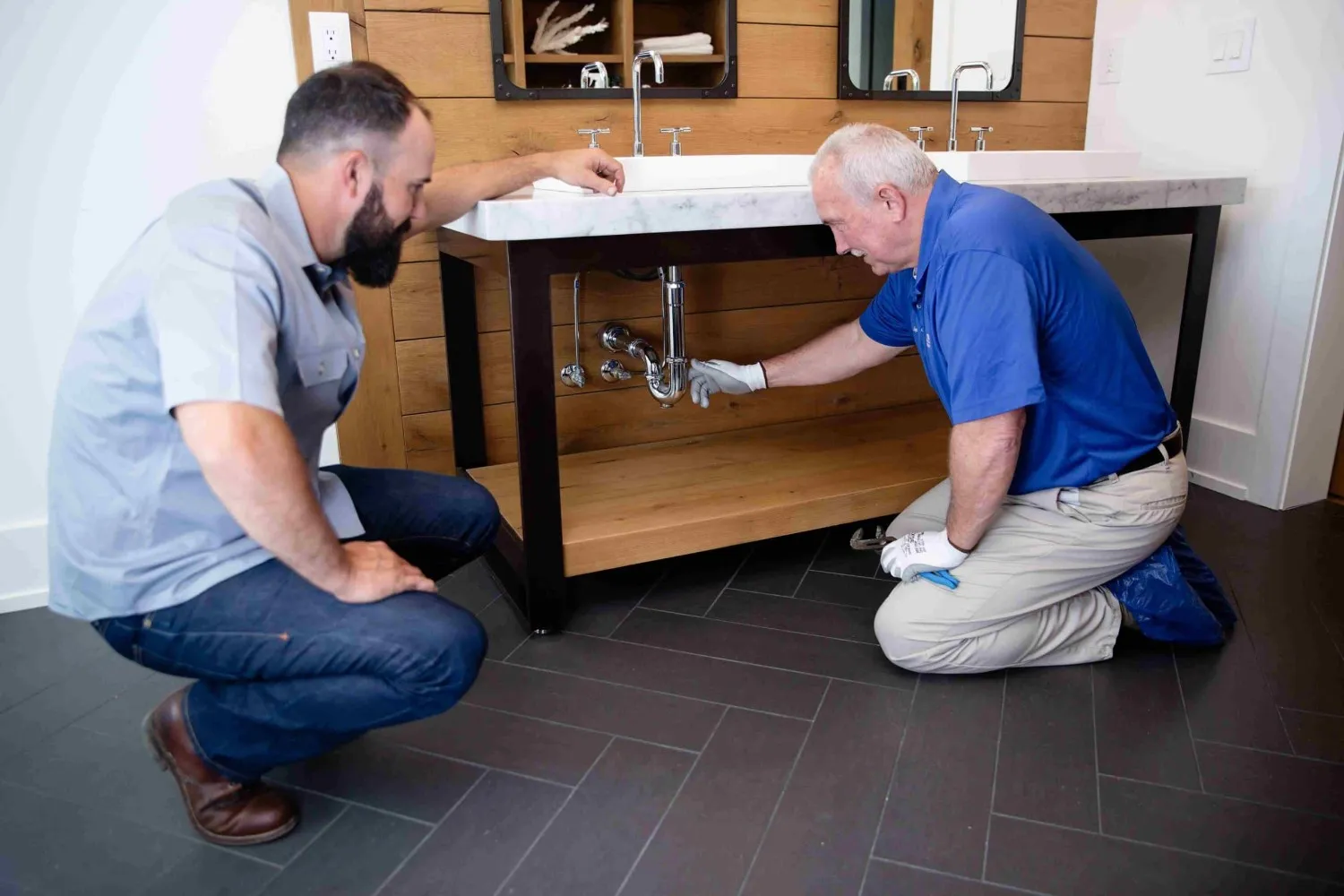
Keeping your plumbing reliable and efficient is a year-round need in Johns Creek, GA. Regular Plumbing Maintenance in Johns Creek, GA protects homes and businesses from unexpected failures, reduces utility costs, and preserves property value. This page explains what a professional maintenance plan includes, the common local plumbing issues it prevents, how plans are structured, typical contract terms, and the straightforward steps to enroll in a tailored program for your property.
Why scheduled plumbing maintenance matters in Johns Creek
Johns Creek experiences hot, humid summers with heavy summer storms and occasional winter cold snaps. Those local conditions create specific stresses on plumbing systems:
- Mineral-rich (moderately hard) water speeds scale buildup in water heaters, faucets, and fixtures.
- Summer storms increase the risk of clogged outdoor drains and yard erosion that can expose or stress sewer lines.
- Occasional freezes can cause exposed pipes to crack or valves to seize.
- Mature landscapes and tree roots in older neighborhoods can infiltrate sewer lines and cause slow drains or backups.
A planned maintenance program addresses these local risks proactively so small issues do not turn into emergency repairs that interrupt daily life or business operations.
What a comprehensive plumbing maintenance plan includes
Maintenance plans are customized for residential and commercial needs, but most programs include these core elements:
- Scheduled inspections
- Annual or semi-annual full-system inspections for homes
- Quarterly or tailored inspections for businesses with higher use
- Visual and functional checks of supply lines, drain lines, fixtures, water heater, and outdoor plumbing
- Routine cleaning and preventative services
- Drain clearing for kitchens, baths, and main sewer lines
- Water heater flushing to remove sediment and restore efficiency
- Aerator and fixture cleaning to improve flow and reduce noise
- Valve and fixture checks
- Test and exercise shutoff valves and main water valve
- Inspect toilets for leaks and adjust flush components
- Check faucets, showerheads, and hose bibs for drips and proper operation
- Leak detection and minor repairs
- Electronic leak detection on hidden supply lines when needed
- Tightening, seal replacement, and minor fittings repair included or discounted depending on package
- Documentation of plumbing condition
- Detailed service reports with photos where helpful
- Maintenance history log to support warranty or resale value
- Recommendations prioritized by urgency and cost impact
- Priority service and response
- Faster scheduling windows for members during peak seasons
- Priority dispatch for after-hours or urgent needs for higher-tier plans
- Discounted repairs and parts
- Contract terms typically include preferred labor rates or parts discounts for plan members
- Savings apply to common repair categories such as fixture replacements, sewer rodding, and water heater elements
- Tailored commercial services
- Backflow device inspection coordination
- Grease trap maintenance schedules for restaurants
- High-use fixture and meter monitoring for office or retail properties
Common plumbing maintenance issues in Johns Creek and how plans prevent them
- Scale and reduced efficiency in water heaters: Regular flushing removes sediment and extends tank life, maintaining hot water capacity and lowering energy use.
- Slow drains and sewer backups: Preventative rodding and inspection catch root intrusion and buildup before backups occur.
- Hidden slab or wall leaks: Periodic leak detection and pressure testing catch hidden leaks early, preventing structural damage and mold.
- Corroded fittings and hard-water wear: Routine checks and targeted replacements minimize sudden fixture failures.
- Outdoor spigot and irrigation leaks after storms: Seasonal inspections identify and secure outdoor plumbing before irrigation systems run in spring.
How maintenance visits are performed
Technicians follow a consistent, documented process at each visit:
- Initial assessment and baseline report (for new enrollees) describing system condition.
- Scheduled inspection checklist covering interior and exterior plumbing components.
- Performance of preventive tasks: drain clearing, water heater service, valve exercise, and fixture adjustments.
- If issues are found, a written estimate or prioritized recommendation is provided with documented photos and suggested next steps.
- Update to your maintenance log and scheduling of any follow-up work or next inspection.
Work is explained in plain terms so homeowners and facility managers understand the problem, the recommended repair, and the long-term benefits of timely action.
Contract terms and member benefits
Maintenance agreements are designed to be clear and practical. Common contract elements include:
- Term length options: monthly, annual, or multi-year agreements with defined renewal terms.
- Scope of included services vs discounted work: plans specify which routine tasks are covered and which repairs receive member discounts.
- Response time commitments for routine and priority service calls.
- Cancellation and transfer policies: terms explain how to pause, cancel, or transfer a plan when selling a property.
- Documentation and record retention: members receive copies of every service visit and a running maintenance history.
For businesses, contracts often include customized service windows, on-site coordination requirements, and compliance documentation for local health or code inspections.
Long-term cost savings and value
A maintenance plan is an investment in reliability and efficiency. Typical long-term benefits include:
- Lower total repair costs by preventing major failures
- Extended equipment life for water heaters, pumps, and fixtures
- Reduced water and energy bills from optimized performance
- Fewer emergency calls and less downtime for businesses
- Better resale value with documented maintenance history
These savings are particularly relevant in Johns Creek where storm-related plumbing problems and moderate water hardness can accelerate wear without regular care.
How to enroll in a tailored maintenance package
Enrollment is structured to match your property needs:
- Schedule an initial system assessment to establish a baseline condition and identify immediate priorities.
- Choose a package based on inspection results, property size, and usage patterns. Packages vary by frequency (annual, semi-annual, quarterly), level of priority service, and included preventive tasks.
- Review and sign a clear service agreement that outlines term length, scope, response times, and member benefits.
- Receive the first scheduled maintenance visit and an initial report documenting system condition and any recommended follow-up.
- Maintain an ongoing schedule, with automatic reminders for next visits and access to documented service history.
Enrollment is designed to be flexible so homeowners and businesses can start with a basic plan and scale up as needs change.
Maintenance plan considerations for Johns Creek properties
- Newer subdivisions may need less immediate drainage work but benefit from water heater and fixture checks to maintain efficiency.
- Older homes with mature landscaping require sewer line inspections for root intrusion and proactive rodding.
- Commercial properties with high water use should prioritize response time and scheduled inspections to avoid service disruptions.
A tailored plan accounts for property age, landscape, occupancy patterns, and local climatic factors to deliver the most value.
Conclusion
Plumbing Maintenance in Johns Creek, GA protects your property's comfort, health, and value by preventing problems common to the area and ensuring fast, documented service when issues arise. A well-structured plan combines scheduled inspections, routine cleaning, priority service, and documented records to save time and money while reducing stress. Enrollment begins with an assessment and a clear agreement that aligns maintenance frequency and coverage with your home or business needs.
Customer
Testimonials


Service Areas