
Plumbing Repair in Johns Creek, GA
.webp)
Johns Creek plumbing repair services provide thorough diagnostics, durable fixes, and reliable protection against leaks, clogs, and failing water heaters. The guide covers common issues from burst pipes and running toilets to sewer backups, plus diagnostic tools like camera inspections and thermal imaging. Repair techniques emphasize minimal disruption, including trenchless sewer work, repiping, and targeted fixture replacements. Warranties on parts and labor are explained, along with emergency procedures and scheduling steps to ensure prompt, professional service that owners can trust.
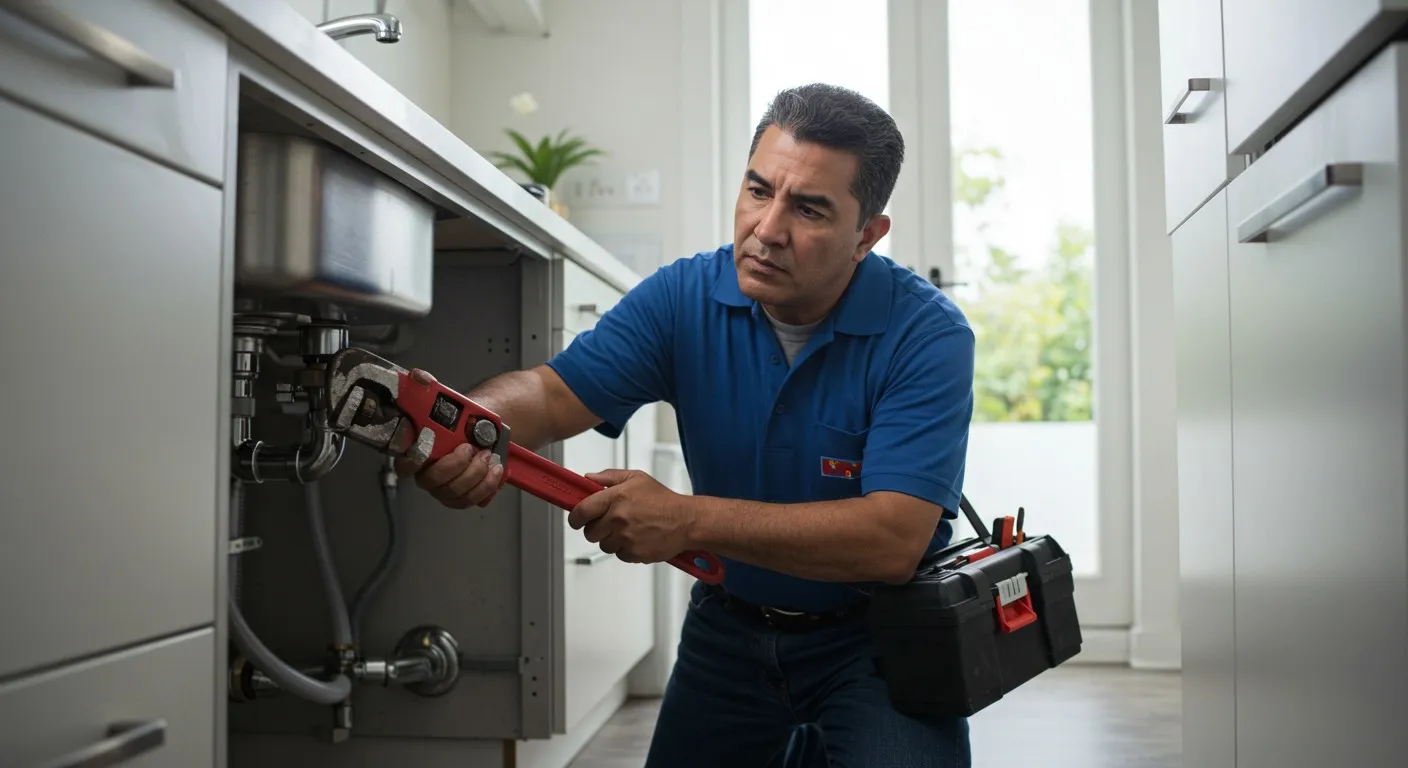
Plumbing Repair in Johns Creek, GA
Professional plumbing repair in Johns Creek, GA solves immediate problems and prevents small leaks or slow drains from turning into property damage. Whether you are dealing with a burst pipe, a running toilet, a faulty water heater, or a sewer backup after heavy rain, clear diagnostics and timely repairs protect your home, reduce water waste, and minimize disruption to daily life. This page explains the common plumbing issues seen in Johns Creek homes, the diagnostic tools used, typical repair techniques, warranty expectations, emergency procedures, and how homeowners commonly schedule service.
Common plumbing repair issues in Johns Creek, GA
Johns Creek’s mix of newer subdivisions and established neighborhoods means plumbers see a broad range of problems. Local climate and soil conditions contribute to several recurring issues.
- Burst or leaking pipes: Age, corrosion, shifting soils, and occasional cold snaps can cause pinhole leaks or full bursts in both copper and plastic piping.
- Running toilets and faulty fixtures: Worn flappers, fill valves, and seals are common causes of toilets that run continuously or refill slowly.
- Faucet and fixture repairs: Cartridge and valve failures, mineral buildup from hard water, and loose fittings lead to drips and reduced function.
- Water heater troubleshooting: Sediment buildup, faulty thermostats, leaking tanks, and failed heating elements reduce efficiency or leave homes without hot water.
- Sewer backups and slow drains: Tree root intrusion, grease clogs, and heavy storm runoff can cause sewer line blockages and backups into low-lying fixtures.
- Hidden leaks and slab leaks: Leaks under slabs or inside walls produce high water bills, damp spots, and mold risk if not found quickly.
Diagnostic methods: how we find the real problem
Effective plumbing repair starts with accurate diagnostics. Using modern tools reduces guesswork and limits unnecessary repairs.
- Camera inspection: A small video camera is run through sewer and main lines to locate blockages, cracks, root intrusion, and joint failures. This is essential for pinpointing sewer backups without extensive excavation.
- Leak detection: Acoustic leak detection listens for water escaping from pipes. Combined with tracer gas or pressure testing, it locates underground leaks and slab leaks precisely.
- Pressure and flow testing: These tests reveal hidden leaks, failing pressure regulators, and compromised branches of the plumbing system.
- Thermal imaging: Infrared cameras highlight temperature differences behind walls and under floors to identify hot or cold spots caused by leaks or failing water heaters.
- Visual and component testing: For fixtures and water heaters, targeted tests of valves, thermostats, and electrical components determine whether repair or replacement is the best option.
Repair techniques and what to expect
Once diagnostics identify the issue, repair choices focus on durability and minimal disruption. Here are standard repair approaches used for common Johns Creek plumbing problems.
- Pipe repairs
- Localized repair: Small leaks can be clamped, sleeved, or sealed using epoxy compounds for a noninvasive fix when the surrounding pipe is otherwise sound.
- Rerouting and repiping: For aging or extensively corroded piping, repiping a section or the entire home with PEX or copper provides a long-term solution.
- Trenchless repair and relining: When sewer or water mains are damaged, pipe bursting or cured-in-place pipe lining (CIPP) restores function without open trench excavation.
- Fixture and faucet repair
- Cartridge and valve replacement, reseating seats, and replacing seals stop drips and restore flow without full fixture replacement in many cases.
- When fixtures are outdated or damaged beyond repair, replacing handles, spouts, or the fixture itself is recommended.
- Water heater repairs
- Tank inspection, flushing to remove sediment, element or thermostat replacement, and anode rod replacement are common repairs to restore efficiency.
- For leaking tanks or repeated failures, replacing the unit may be the most cost effective and reliable choice.
- Sewer and drain repairs
- Hydro-jetting removes grease, roots, and buildup from sewer lines without chemicals.
- Root cutting and chemical root control are used for recurring root problems, but severe damage may require relining or replacement.
Parts and labor warranties
Understanding warranties helps you compare options and know what protection to expect.
- Manufacturer parts warranties: New fixtures and water heaters typically include manufacturer warranties ranging from one year to multiple years depending on the component.
- Labor warranties: Reputable repairs commonly include a labor warranty that covers the workmanship for a set period. Industry norms vary from 30 days to 1 year for labor; longer labor warranties are common for larger jobs like repipes.
- Warranty documentation: Written details should specify what is covered, duration, and any exclusions such as damage from neglect or subsequent unrelated work.
Emergency plumbing repair procedures
Emergencies require immediate action to protect property and safety. Effective emergency response follows a clear sequence.
- Immediate mitigation: Shut off the main water supply to stop active flooding and isolate affected fixtures to limit damage. For sewer backups, avoid using plumbing until the line is cleared to prevent contamination spread.
- Safety first: Electrical hazards, gas water heaters, and contaminated sewage require careful handling. Licensed technicians follow safety protocols to prevent injury and secondary damage.
- Temporary stabilization: Plumbers apply temporary measures such as clamps, stop-leaks, or bypasses to stabilize the system before performing permanent repairs.
- Rapid diagnostics and repair plan: After stabilization, crews perform targeted inspections (camera, pressure testing) to identify the permanent fix, then outline repair timelines and parts needed.
- Coordination with municipal services: For issues involving public sewers or storm drains, coordination with local authorities may be necessary to resolve broader infrastructure problems.
How homeowners typically schedule plumbing repair service
Johns Creek homeowners arrange repairs through standard scheduling methods adapted to urgency and convenience.
- Same-day and emergency response: Many plumbing services offer priority dispatch for emergencies to arrive within hours. For nonemergencies, same-day or next-day appointments are common.
- Appointment windows: Technicians typically provide a time window for arrival and may offer evening or weekend visits to accommodate work schedules.
- Inspection and estimate process: A thorough diagnostic visit results in a clear estimate of recommended repairs, a timeline, and expected warranties so you can make an informed decision before work begins.
- Permits and inspections: For major repairs like repiping or water heater replacement, licensed plumbers handle required permits and municipal inspections to ensure compliance with local codes.
Why timely plumbing repair matters in Johns Creek
Prompt, professional plumbing repair protects your home’s value, reduces risks of mold and structural damage, and lowers ongoing water costs. In Johns Creek, seasonal heavy rains, tree root pressure, and diverse housing stock make proactive inspections and fast response especially important. Accurate diagnostics and modern repair techniques keep repairs targeted, cost-effective, and minimally invasive, giving homeowners long-term reliability and peace of mind.
Customer
Testimonials


Service Areas