

Mini Split Tune-Up in Gainesville, GA
.webp)
Mini Split tune-ups in Gainesville, GA include inspection, cleaning, testing, and calibration of key system components to maintain efficient heating and cooling. The service addresses common local issues, diagnostic steps, and typical repairs, with recommendations for maintenance frequency. Homeowners learn what to expect during a tune-up, how technicians identify root causes, and how regular service enhances energy efficiency, reliability, indoor air quality, and warranty coverage. Diagnostics, safety checks, and practical maintenance tips ensure long-term system performance.
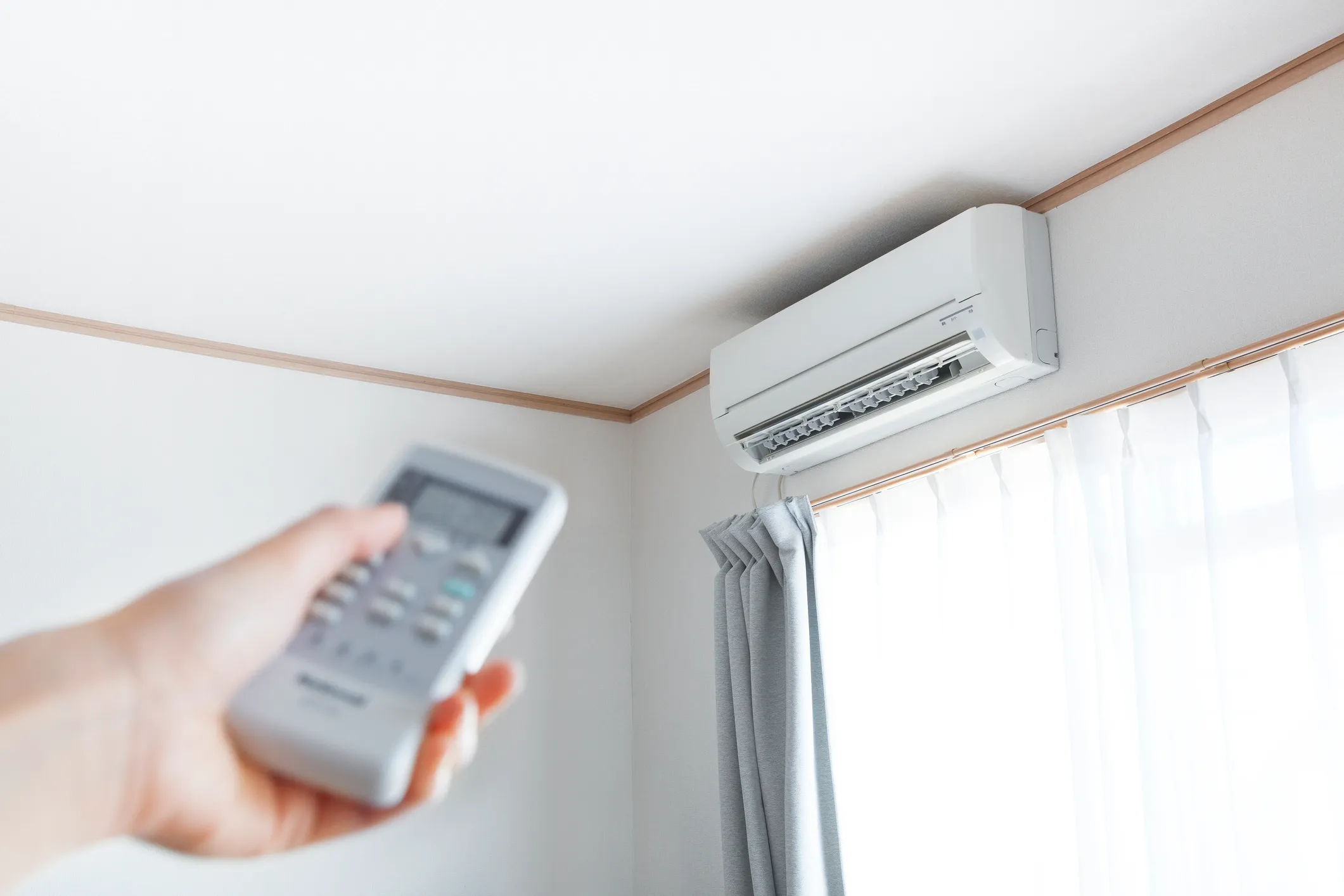
Mini-split Tune-up in Gainesville, GA
A professional Mini Split tune-up keeps your ductless heat pump or air conditioner running reliably through Gainesville summers and the humid shoulder seasons. In northeast Georgia, hot, humid conditions and seasonal pollen loading place extra stress on Mini Splits. A thorough tune-up addresses airflow, refrigerant, electrical components, and controls so your system cools and heats efficiently, reduces energy use, and avoids midseason breakdowns.
This page outlines a standard Mini Split tune-up for Gainesville, GA homes, explains common local issues, details diagnostic steps and typical repairs, and offers clear guidance on how often to schedule service to extend equipment life.
What a standard mini-split tune-up includes
A comprehensive tune-up inspects, cleans, tests, and calibrates key system components. Typical tasks include:
- Clean indoor coils and filters: Remove dust, pollen, and biofilm that reduce airflow and heat transfer.
- Clean outdoor condenser coils and fan: Clear leaves, grass, and debris that block airflow around the outdoor unit.
- Check and test refrigerant levels: Measure pressures to confirm refrigerant is within manufacturer tolerances and check for signs of leaks.
- Inspect electrical connections and components: Tighten terminals, test capacitors, contactors, and check wiring for heat damage.
- Check compressor and fan operation: Verify motors run smoothly and that bearings and mounts show no undue wear.
- Calibrate controls and thermostat: Ensure the remote, wall controller, or smart thermostat is reading and commanding temperatures accurately.
- Inspect condensate drain and pan: Verify proper drainage to prevent water damage and mold growth.
- Lubricate moving parts where applicable: Reduce friction and wear on fan motors and linkages.
- Advise on efficiency improvements: Recommend filter upgrades, better insulation for line sets, or control strategies to lower operating costs.
- Document findings and recommended follow-up: Provide clear notes on items that need repair or closer monitoring.
Common mini-split issues in Gainesville, GA
Gainesville’s climate and local environment contribute to a predictable set of problems homeowners see with Mini Splits:
- Reduced cooling capacity in summer: Often caused by dirty coils, low refrigerant, or restricted airflow.
- High energy use: Dirty systems and poor control calibration force the unit to run longer.
- Water leaks or overflow: Clogged condensate drains or improper slope of indoor units can cause water damage.
- Frequent short cycling: Electrical issues, incorrect refrigerant charge, or control faults can trigger rapid on-off cycles.
- Allergy and indoor air quality complaints: Pollen, dust, and mold in coils or drains reduce indoor air quality.
- Corrosion and outdoor coil fouling: Pollen, dust, and seasonal debris on the outdoor unit reduce efficiency and can accelerate component wear.
How we diagnose and what to expect during a tune-up
A methodical diagnostic approach finds root causes rather than just addressing symptoms:
- Visual inspection of indoor and outdoor units for physical damage, debris, and clearance.
- Filter and coil inspection with cleaning or replacement as needed. Visible mold or heavy buildup is corrected.
- Airflow checks across the indoor unit to verify proper distribution and detect blockages.
- Refrigerant pressure readings at cold and hot ports to evaluate charge using manufacturer specifications. Explain any low or high reading in plain terms.
- Electrical testing for voltage, current draw, and component function to spot failing compressors, fans, or capacitors.
- Control and thermostat calibration to confirm temperature sensors and setpoints match room conditions.
- Condensate drain and pan inspection and flush to ensure water flows freely and safely away.
- Final performance verification including measured temperature split and overall run behavior.
Technicians will explain findings in straightforward language and identify which issues are safety concerns, which affect efficiency, and which are recommended for future attention.
Typical repairs and efficiency improvements recommended
From tune-up findings, common recommendations for Gainesville homes include:
- Refrigerant leak repair and recharge: If pressures are low and a leak is present, locate and repair the leak before recharging. Proper charge restores capacity and prevents compressor damage.
- Professional coil cleaning: Heavy fouling may require chemical cleaning to restore heat transfer.
- Filter replacement or upgrade: Upgrading to higher MERV or washable filters improves air quality and reduces coil contamination when maintained regularly.
- Condensate drain repair or trap replacement: Ensures reliable drainage and prevents secondary mold growth.
- Line set insulation replacement: UV exposure and age can degrade insulation around refrigerant lines, reducing efficiency in heat mode.
- Control or sensor recalibration: Fixes uneven comfort and reduces unnecessary runtime.
- Outdoor coil protection measures: Trimming vegetation, restoring proper clearance, and installing a simple barrier against squirrels and debris.
Recommended service frequency for Gainesville, GA homes
Because of hot, humid summers and pollen seasons, most Gainesville homeowners benefit from more frequent attention than in milder climates:
- Minimum: annual professional tune-up for general maintenance and warranty compliance.
- Recommended: twice yearly — a pre-summer check focused on cooling readiness and a fall check focused on heating and winter preparedness. High-use installations, homes with pets, or properties near heavy tree cover should consider more frequent filter checks and cleanings.
Benefits of timely mini-split tune-ups
Regular professional tune-ups deliver measurable advantages:
- Improved energy efficiency and lower utility bills through restored heat transfer and correct refrigerant charge.
- Fewer emergency repairs and longer equipment life by addressing wear and small problems before they escalate.
- Better indoor air quality by removing pollen, dust, and microbial growth from coils and drains.
- More consistent comfort with calibrated controls and verified airflow.
- Protection of manufacturer warranties that often require scheduled maintenance.
Simple maintenance tips between professional visits
Keep performance steady with a few homeowner actions:
- Clean or replace indoor filters monthly during heavy use.
- Keep 2 to 3 feet of clearance around indoor and outdoor units and remove leaves or debris regularly.
- Check condensate drain lines periodically for slow drainage or standing water.
- Use recommended fan and temperature settings to reduce short cycling.
- Schedule a pre-summer and pre-winter professional check to catch seasonal issues early.
A regular, well-documented tune-up plan tailored to Gainesville’s climate helps your Mini Split deliver efficient cooling and heating, maintain air quality, and avoid costly midseason failures.
Customer
Testimonials


Service Areas