
Mini-split Replacement in Gainesville, GA
.webp)
Mini Split replacement in Gainesville, GA involves evaluating aging systems against modern, energy-efficient models and exploring practical upgrade options. Key considerations include system capacity, installation complexity, electrical requirements, permits, and proper refrigerant handling and disposal. Homeowners gain insight into typical replacement timelines, financing options, local rebates, and the full process—from on-site assessment to startup and warranty coverage—enabling informed, cost-effective decisions for long-term comfort and efficiency.
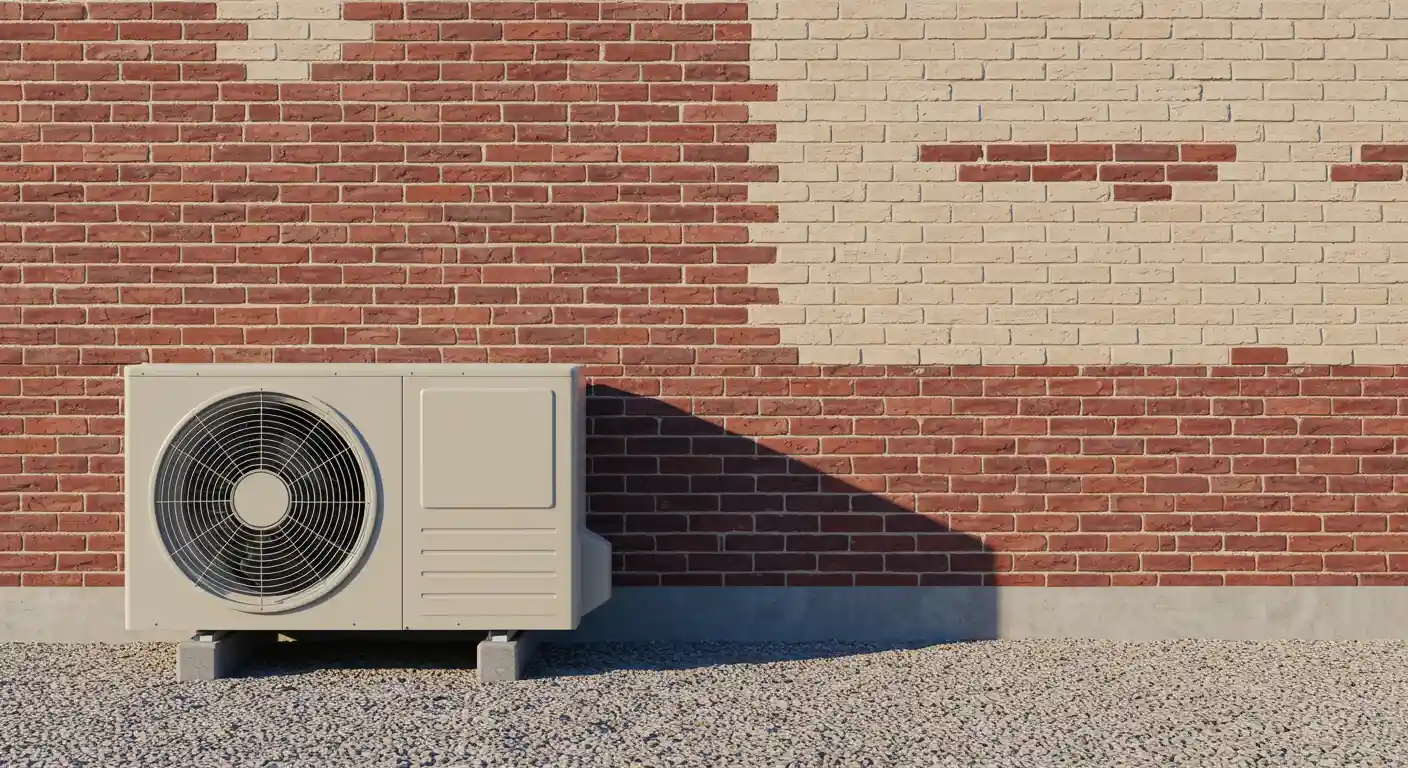
Mini-split Replacement in Gainesville, GA
Mini Split Replacement in Gainesville, GA is a practical decision for homeowners dealing with aging or underperforming ductless systems. Gainesville’s hot, humid summers and occasional cold snaps mean your Mini Split works hard year-round; an inefficient or failing unit raises energy bills, reduces comfort, and can struggle to control indoor humidity. This page explains the clear signs that a Mini Split needs replacement, compares older systems to modern energy-efficient units, outlines replacement options and cost factors, describes removal and disposal of old equipment, and reviews timelines and financing or rebate considerations specific to Gainesville-area homes.
Signs your mini-split needs replacement
Recognizing replacement-level problems early prevents bigger issues later. Common warning signs include:
- Poor cooling or heating performance: Unit runs continuously but fails to reach set temperatures, or cycles on and off frequently.
- Rising energy bills: A steady increase in electric usage without other changes is a strong indicator of lost system efficiency.
- Frequent breakdowns or repairs: Recurring compressor, fan motor, or control board failures suggest the system’s remaining life is limited.
- Excessive noise or vibration: Older compressors and outdoor units commonly grow louder as components wear.
- Persistent humidity problems: In Gainesville’s humid climate, an undersized or failing Mini Split may not dehumidify effectively, causing stickiness or condensation.
- Refrigerant issues or leaks: Repeated refrigerant leaks or a system that requires frequent recharge signals major repairs; older refrigerants may also be phased out.
- Age of the unit: Mini Splits older than 10-15 years are often past their optimal service life, especially if not regularly serviced.
Older units versus modern energy-efficient models
Understanding what modern equipment offers helps justify replacement over repairs.
- Energy efficiency: Newer Mini Splits use variable-speed inverter compressors for better part-load efficiency. That translates into lower electricity use during Gainesville’s long cooling season.
- Improved humidity control: Advanced compressors and controls regulate fan speeds and run cycles to remove more moisture while maintaining comfort.
- Quieter operation: Modern indoor heads and outdoor units are designed with sound dampening and quieter motors.
- Eco-friendly refrigerants: New systems employ refrigerants that meet current regulations, avoiding phased-out chemicals.
- Smart controls and zoning: Today’s units offer app controls, programmable schedules, and better multi-zone management for tailored comfort.
- Longer warranties and reliability: Many manufacturers offer enhanced component warranties, reducing long-term ownership risk.
Replacement options and what to consider
Selecting the right replacement depends on home layout, comfort goals, and budgetary constraints.
- Single-head replacement: Replacing one indoor head and the outdoor condensate is common when only one zone is problematic.
- Multi-zone systems: One outdoor unit can serve multiple indoor heads for whole-home comfort without ducts.
- Ducted mini-duct systems: For a less visible solution, concealed ducted Mini Splits provide central-like distribution.
- Hybrid upgrades: Combining a Mini Split with existing HVAC can improve target-area comfort and overall system efficiency.Key considerations:
- Sizing and load calculation: Proper capacity sizing based on a heat-loss/heat-gain calculation avoids short cycling and inefficiency.
- Electrical capacity: Older homes may need service panel upgrades for modern systems.
- Location and mounting: Placement affects efficiency, noise, and aesthetics.
- Features: Inverter technology, advanced filtration, dehumidification, and smart controls are worth evaluating for Gainesville’s climate.
Replacement cost factors
While specific price figures vary, these factors determine total replacement cost:
- Capacity and model efficiency: Higher-capacity or top-efficiency units cost more but save energy long term.
- Number of zones: Multi-head installations require more material and labor.
- Installation complexity: Long line sets, difficult mounting, or structural modifications increase labor time.
- Electrical upgrades and permits: Required panel work or local permitting affects cost and timeline.
- Refrigerant handling: Recovering and disposing of old refrigerant, especially if retrofitting, adds to scope.
- Warranty and extended service packages: Extended warranties influence upfront cost but lower future exposure.
Removal and disposal of old equipment
Proper removal follows safety and environmental rules.
- Refrigerant recovery: Certified recovery of refrigerant is required before removing the outdoor unit; older refrigerants may be restricted and need special handling.
- Safe disconnection and demolition: Technicians disconnect electrical feeds, recover refrigerant, remove line sets, and detach indoor heads with care to prevent leaks or damage.
- Recycling and disposal: Metal, copper, and electronic components are typically recycled. Disposal must comply with state and county regulations; some components may require hazardous waste handling.
- Documentation: Disposal manifests or recovery certificates may be provided for permit compliance and rebate eligibility.
Timelines: what to expect
Typical project timelines vary by scope:
- Initial assessment and estimate: Same-day to a few days, depending on scheduling.
- Permits and ordering equipment: A few days to a couple of weeks depending on local permit processing and lead time for equipment.
- Installation: Single-head replacements often complete in 1 to 2 days; multi-zone systems can take several days to a week.
- Inspections and startup: Local inspections and final commissioning may add additional days.Plan for potential scheduling delays due to high demand during peak seasons.
Financing and rebate guidance in Gainesville, GA
Replacing a Mini Split can be supported by financing and incentives that reduce upfront cost and improve payback.
- Energy-efficiency incentives: Federal tax credits and utility rebates sometimes apply to qualifying heat pump Mini Splits; eligibility typically depends on unit efficiency and proper installation documentation.
- Local utility programs: Gainesville and regional utilities may offer rebates or programs for energy-efficient upgrades and load management; requirements often include pre- and post-installation documentation.
- Financing options: Home improvement financing, energy-efficient loan programs, or payment plans through installers are common ways to spread costs over time. Terms vary by lender and program.
- Documentation and qualification: To qualify for rebates or tax credits, retain invoices, equipment specifications, and proof of professional installation. Working with certified installers helps ensure eligibility.
What to expect during the replacement process
A transparent replacement process reduces surprises:
- On-site assessment including load calculation and evaluation of electrical and mounting needs.
- Equipment selection tailored to capacity, efficiency, and features suited for Gainesville homes.
- Permitting and scheduling with time allowances for inspections.
- Installation including refrigerant recovery, unit removal, new unit mounting, line set and electrical connections, and condensation drainage.
- Startup, system balancing, and homeowner orientation to review controls and maintenance needs.
- Final inspection and paperwork for warranties and incentives.
Long-term benefits and maintenance tips
Replacing an aging Mini Split yields measurable advantages:
- Lower utility bills from higher seasonal efficiency and variable-speed operation.
- Improved comfort and humidity control in Gainesville’s humid climate.
- Reduced repair costs and downtime with newer, more reliable components.
- Environmental benefits from updated refrigerants and reduced energy use.
Maintenance to protect your investment:
- Clean or replace filters regularly.
- Keep outdoor units clear of debris and vegetation.
- Schedule annual professional tune-ups to check refrigerant charge, electrical connections, and drainage.
- Monitor drains and pan lines for clogs, especially during humid months.
Mini Split Replacement in Gainesville, GA is a strategic upgrade when your system shows persistent performance problems, rising operating costs, or uses outdated refrigerants. Considering local climate demands, modern energy-efficient Mini Splits offer better comfort, dehumidification, and long-term savings when properly sized and installed. If the signs above match your system’s condition, plan a thorough assessment to determine the best replacement path for your Gainesville home.
Customer
Testimonials


Service Areas