

Mini-Split Repair in Gainesville, GA
.webp)
Mini-split repair services in Gainesville, GA address common system issues through a structured diagnostic and repair process. Technicians assess compressors, refrigerant levels, electrical components, controls, and airflow to accurately identify faults. Services include standard and emergency visits, with clear timelines, use of OEM parts, and warranty compliance. Guidance is provided on preparing for service calls, factors influencing repair costs, and maintenance practices to ensure optimal performance, efficiency, and long-term reliability in Gainesville’s humid climate.
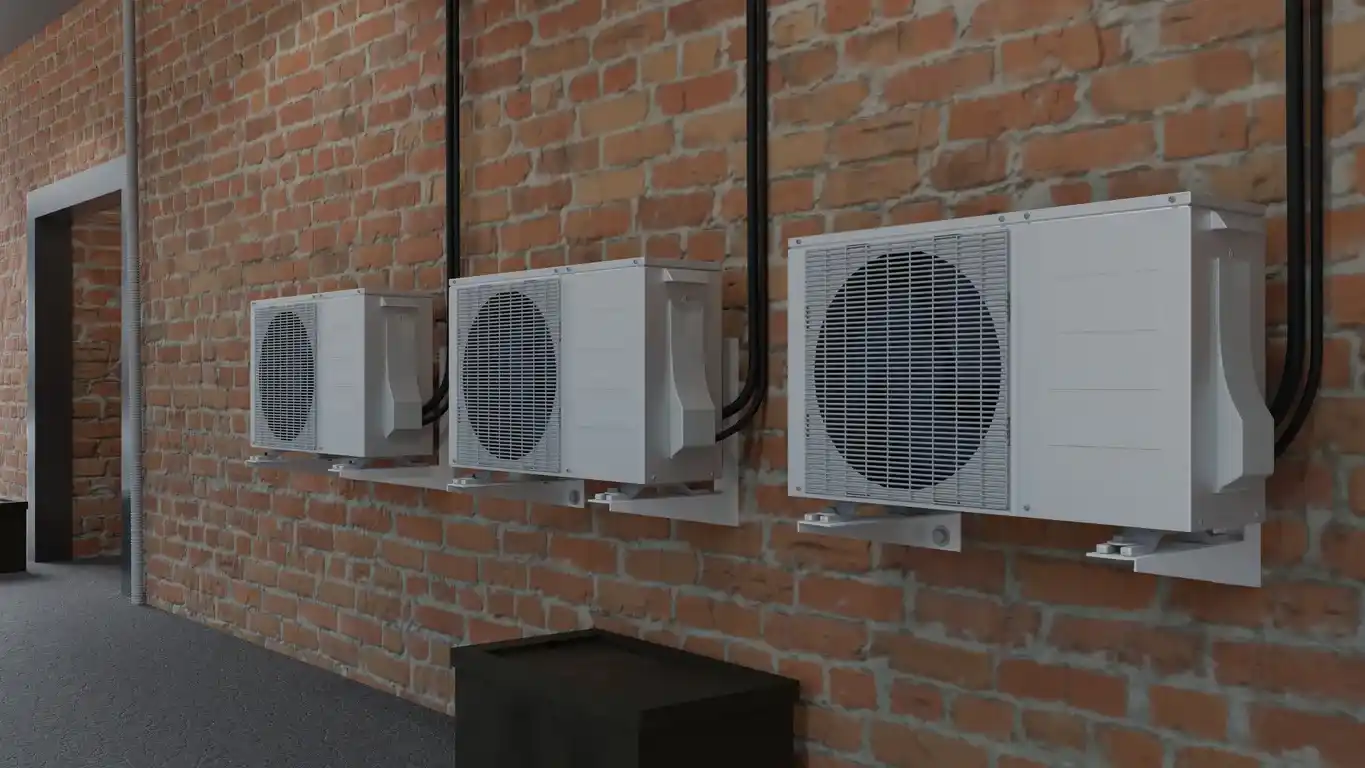
Mini-split Repair in Gainesville, GA
Mini Split systems are a popular choice for Gainesville, GA homes because they deliver efficient, zoned cooling and heating without ductwork. However, hot, humid summers, seasonal pollen, and occasional storms around Lake Lanier increase demand on these systems and can accelerate wear or expose weak components. If your Mini Split is underperforming, making unusual noises, or not responding to controls, timely professional repair prevents bigger failures and restores comfort quickly. This page explains common Mini Split repair problems in Gainesville, step-by-step diagnostics, typical repair timelines, how OEM parts and warranties are handled, emergency/after-hours options, and what to prepare when requesting a service visit.
Common Mini Split repair issues in Gainesville, GA
Homeowners in Gainesville commonly encounter these failure modes:
- Compressor and inverter issues
- Soft starts, failure to engage, or loud humming from the outdoor unit.
- Inverter board faults leading to intermittent operation or error codes.
- Refrigerant leaks
- Low cooling capacity, frost on the evaporator coil, or frequent compressor short-cycling.
- Leaks are more likely in older installations or after mechanical impact.
- Electrical faults
- Tripped breakers, damaged wiring, or control voltage problems after summer storms or power surges.
- Capacitor failures or contactor wear in outdoor units.
- Control and communication problems
- Remote control unresponsiveness, thermostat mismatches, or indoor/outdoor unit communication errors.
- Faulty PCB boards or damaged connectors from humidity or pests.
- Mechanical wear and airflow issues
- Fan motor failures, noisy bearings, blocked condensate drains, or dirty filters and coils that reduce airflow and efficiency.
- Sensor and safety device failures
- Faulty temperature sensors, pressure switches, or safety cutouts that prevent normal operation.
Step-by-step diagnostic procedure
A systematic diagnostic process ensures accurate repair and reduces repeat visits. Typical steps a qualified technician will follow:
- Initial intake and visual inspection
- Verify symptoms, model information, and any error codes shown on the indoor or outdoor display.
- Visually inspect outdoor unit and indoor heads for obvious damage, debris, or rodent nests.
- Electrical safety and continuity checks
- Confirm correct power supply and breaker condition.
- Measure voltage and current to key components (compressor, fan motors, PCB inputs).
- Control and communication verification
- Review error logs and run diagnostic modes to test communication between indoor and outdoor units.
- Check remote/thermostat settings and wireless signals if applicable.
- Refrigerant and pressure testing (if indicated)
- Use gauges to confirm system pressures and check for signs of undercharge.
- Perform leak detection with electronic detectors or soap testing where feasible.
- Mechanical and airflow assessment
- Inspect evaporator and condenser coils for dirt and damage.
- Test fan motors, bearings, and airflow through indoor units; check drain pans and condensate lines.
- Component-level testing
- Test capacitors, relays, compressors, and inverter boards for proper function.
- Replace suspect components with OEM-specified parts when needed.
- Post-repair verification
- Run the system through multiple modes and load conditions to confirm stable operation and resolve error codes.
- Re-check refrigerant charge and electrical parameters after repairs.
Typical repair timelines
Mini Split repair time varies by the fault type and parts availability. Local factors in Gainesville — high seasonal demand during hot months or after storms — can extend lead times for parts or service windows.
- Diagnostics and minor repairs: many electrical fixes, control resets, and filter/coil cleanings are completed within 1 to 3 hours on the first visit.
- Moderate repairs: component replacements such as fan motors, capacitors, or control boards typically require a half day to a full day, depending on parts on hand.
- Major repairs and refrigerant work: compressor replacements, major refrigerant repairs, or inverter board swaps may require 1 to 3 days, including leak tracing, evacuation, recharge, and required pressure testing.
- Warranty/OEM parts lead time: if a specific OEM part must be ordered, expect additional days for shipping and authorization.
Technicians in Gainesville often prioritize safety and thorough testing over rushing, which reduces the chance of repeat visits in humid, demanding seasons.
What affects repair cost (factors, not dollar amounts)
Instead of specific pricing, understand the factors that influence repair expense:
- Type of failure (electrical vs mechanical vs refrigerant leak).
- Need for OEM replacement parts versus generic components.
- System age and availability of parts for older models.
- Access difficulty (multi-story indoor heads or tight outdoor locations).
- Required refrigerant handling, regulatory paperwork, and evacuation procedures.
- Warranty coverage and whether the original installer or manufacturer will authorize parts replacement.
Discussing these factors with your technician before work begins helps set realistic expectations for repair scope and timeline.
OEM parts and warranty handling
- OEM parts: Using original equipment manufacturer parts preserves system compatibility and typically maintains any remaining manufacturer warranty. For inverter and compressor work, OEM parts are often recommended because of proprietary electronics and refrigeration tolerances.
- Warranty verification: A technician will ask for the system model and installation date to check warranty eligibility. Some repairs may require manufacturer authorization before parts are ordered, or return of failed parts for warranty claims.
- Documentation: Properly documented service reports and component serial numbers facilitate warranty claims. Technicians should provide written records of diagnostic findings, replaced parts, and refrigerant handling for manufacturer review if needed.
Emergency and after-hours repair options
Gainesville summers and intermittent storms can create urgent breakdowns. Emergency repair options typically include:
- After-hours diagnostics for safety-related failures (e.g., exposed wiring, severe refrigerant leaks, or no heating during cold snaps).
- Prioritization of failures that pose health risks, such as loss of climate control for vulnerable occupants or significant water leaks from clogged condensate lines.
- Temporary fixes when parts are not immediately available, such as isolating damaged circuits or installing temporary condensate solutions, followed by scheduled permanent repair.
Availability and response times vary by season and local demand. Emergency work focuses on stabilizing the system safely until full repair is possible.
How to prepare for a service visit
Preparing the following information and access speeds up diagnosis and repair:
- System model numbers and approximate installation age for indoor and outdoor units.
- A clear description of symptoms, error codes, and when the problem started (time of day, after storms, following power outages).
- Access to indoor heads, outdoor unit, and any attic or crawlspace routes if the system spans multiple areas.
- Warranty papers or proof of previous service if available.
- Notes on intermittent behaviors, noises, or odors that accompany the failure.
Preparing pets and ensuring safe access to units helps complete the visit efficiently.
Preventive benefits and maintenance advice
Regular maintenance in Gainesville’s climate significantly reduces repair frequency:
- Seasonal coil cleaning, filter replacement, and condensate line clearing reduce stress on compressors and fans.
- Annual electrical and refrigerant checks catch slowly developing issues before they become failures.
- Promptly addressing odd noises, reduced airflow, or recurring error codes prevents secondary damage to costly components like compressors and inverters.
When mini-split systems receive timely repair and proper maintenance, they deliver longer service life, higher seasonal efficiency, and reliable comfort across Gainesville’s humid summers and mild winters.
Customer
Testimonials


Service Areas