

Mini-split Installation in Gainesville, GA
.webp)
Mini-split installation in Gainesville, GA focuses on delivering efficient, zoned comfort without extensive ductwork. Services include assessing load requirements with Manual J calculations, selecting properly sized indoor and outdoor units, and performing professional installation steps such as site preparation, mounting, refrigerant line connection, electrical hookup, and system commissioning. Attention is given to condensate management, permitting, timelines, rebates, and financing, with a focus on energy efficiency, humidity control, and long-term maintenance to ensure reliable performance for homeowners.
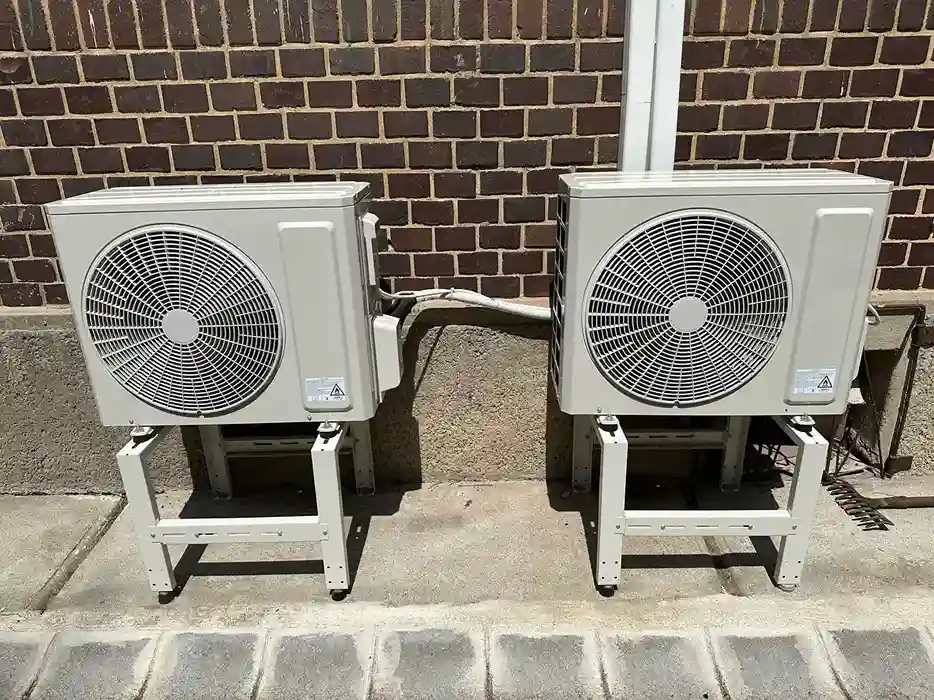
Mini-split Installation in Gainesville, GA
Mini Split installation in Gainesville, GA provides a high-efficiency, flexible alternative to traditional central HVAC for homes that need targeted comfort, improved humidity control, or cooling without ductwork. In Gainesville’s hot, humid summers and mild winters, properly sized and installed mini-splits can reduce energy use, remove excess humidity, and eliminate the need to extend or modify existing duct systems. This page explains the full installation process, common local considerations, permitting, timelines, and rebate/financing options so you can make an informed decision.
Why a mini-split is a good fit for Gainesville homes
- Hot, humid summers increase cooling load and dehumidification needs; mini-splits with inverter compressors and variable fans manage humidity better than oversized systems.
- Older or historic homes in Gainesville often lack existing ducts or have restrictive ductwork; wall- or ceiling-mounted indoor units provide zoned comfort without invasive remodeling.
- Additions, garages converted to living space, sunrooms, and attic bedrooms frequently require a separate system; mini-splits simplify installation for these spaces.
Common mini-split needs and issues in Gainesville, GA
- Single-room cooling for additions, guest rooms, or home offices.
- Multi-zone solutions for whole-house comfort control and energy savings.
- Replacement of window units or inefficient room air conditioners for quieter, more efficient cooling.
- Dehumidification complaints during summer months despite active cooling.
- Improperly sized systems causing short cycling or high energy use.
Site assessment and load calculation
A reliable mini-split installation begins with a detailed site assessment and load calculation. Installers perform a Manual J style calculation to determine heating and cooling loads, considering:
- Square footage, ceiling height, insulation levels, and window sizes.
- Orientation and sun exposure (important for Gainesville’s sunny, humid climate).
- Internal heat gains from occupants, appliances, and lighting.
- Desired temperature and humidity setpoints for each zone.
Why accurate sizing matters: An undersized unit will struggle to reach set temperatures; an oversized unit will short cycle, reduce dehumidification, and wear out components faster. Load calculation ensures the right indoor and outdoor unit capacities and avoids common failures.
Selecting indoor and outdoor units
Choosing the correct mini-split components involves matching capacity and features to the home’s needs:
- Single-zone vs multi-zone systems: Single-zone is ideal for one space; multi-zone systems allow several indoor units on one outdoor condenser for cohesive control.
- Efficiency ratings: Look at SEER and HSPF or EER values to balance efficiency and upfront cost. High-efficiency models perform especially well in Gainesville’s long cooling season.
- Indoor unit types: Wall-mounted, ceiling cassette, floor console, or ducted concealed units—selection depends on aesthetics and room layout.
- Refrigerant type and line length limitations: Manufacturers specify maximum line lengths and elevation changes; installers plan placement to meet those specs and maintain efficiency.
The installation process — step by step
- Site preparation and planning
- Verify wall or ceiling locations, determine outdoor unit pad location with proper clearance and airflow, and plan refrigerant line routes and electrical conduit.
- Mount indoor units
- Secure mounting plates, cut small openings for refrigeration lines and condensate drain, and position units for optimal airflow and service access.
- Install outdoor unit
- Set a level pad or bracket on a stable surface, mount the outdoor condenser with vibration isolation, and position away from heavy foliage or obstructions common in Gainesville yards.
- Run refrigerant lines and condensate drains
- Route insulated copper line sets and electrical wiring through the wall or chase, slope condensate drains correctly, and install condensate pumps where gravity drainage is not possible.
- Electrical hookup
- Connect the outdoor and indoor units to the circuit per local code; many installations require a dedicated circuit and disconnect. Licensed electricians or HVAC technicians perform this work to meet inspection standards.
- Evacuate, charge, and test refrigerant circuit
- Evacuate the lines to remove moisture and air, open service valves to allow refrigerant flow, and verify proper charge if a system requires charging on-site. Leak tests and pressure checks are performed.
- System commissioning and controls setup
- Configure remote, wired, or app-based controls, verify communication between indoor and outdoor units, and test operation in heating and cooling modes while measuring temperatures and airflow.
- Final walkthrough
- Inspect mounts, verify condensate management, confirm electrical safety, and demonstrate basic operation and filter access for the homeowner.
Condensate management and electrical considerations
- Condensate handling is important in Gainesville’s humid climate. Properly sized drains, correct slope, and reliable condensate pumps for locations without gravity drainage prevent water intrusion and staining.
- Electrical work must meet the National Electrical Code and local Gainesville/Hall County regulations, typically requiring a licensed electrician for the service disconnect and breaker sizing.
Permits and inspections
Most Gainesville and Hall County jurisdictions require permits and inspections for HVAC work, electrical hookups, and refrigerant handling. Typical considerations:
- Permit application prior to installation, with inspections for electrical and mechanical components.
- Licensed HVAC contractors often handle permit submission and coordinate inspections.
- Local codes may require specific clearances, seismic restraints, or noise considerations for outdoor units.
Estimated timelines
- Single-zone mini-split installation: commonly completed in one day when no major structural work is required.
- Multi-zone installations: typically 1 to 3 days depending on the number of indoor units and line set routing complexity.
- Permit and inspection windows: plan additional days to a few weeks depending on municipal scheduling and permit processing.
Rebates and financing options
Homeowners in Gainesville may qualify for energy efficiency incentives. Potential avenues include:
- Utility rebates or energy-efficiency programs that reward high-efficiency equipment or insulation upgrades.
- Federal or state tax credits for qualifying energy-efficient systems (availability varies over time).
- Manufacturer or third-party financing programs for HVAC equipment that spread payments over time.
Verify current program eligibility and documentation requirements before purchase to ensure rebate compliance.
Long-term benefits and maintenance
- Improved comfort and precise zoned temperature control reduce wasted energy in unoccupied areas.
- Better humidity control during Gainesville’s humid months improves indoor air quality and comfort.
- Regular maintenance extends equipment life: keep filters clean, clear outdoor unit fins, and schedule annual professional checks for refrigerant levels and electrical safety.
- Proper installation and commissioning protect warranties and ensure peak efficiency.
Mini Split installation in Gainesville, GA offers an efficient, flexible option for many homes dealing with humidity, zoning needs, or spaces without ducts. A careful site assessment, correct sizing, professional installation, and attention to local permitting and condensate management are essential to reliable long-term performance.
Customer
Testimonials


Service Areas