
Plumbing Tune-Up in Dawsonville, GA
.webp)
Plumbing tune-up in Dawsonville, GA explains how regular inspections, drain clearing, valve service, and water heater maintenance prevent leaks, improve efficiency, and extend fixture life. It outlines common issues caused by hard water and freeze cycles, describes a typical tune-up workflow including inspection, cleaning, minor repairs, and documentation, and provides recommended maintenance intervals for Dawsonville homes. The page also highlights signs a tune-up is overdue and practical steps to minimize emergency calls and reduce costs.
Plumbing Tune-up in Dawsonville, GA
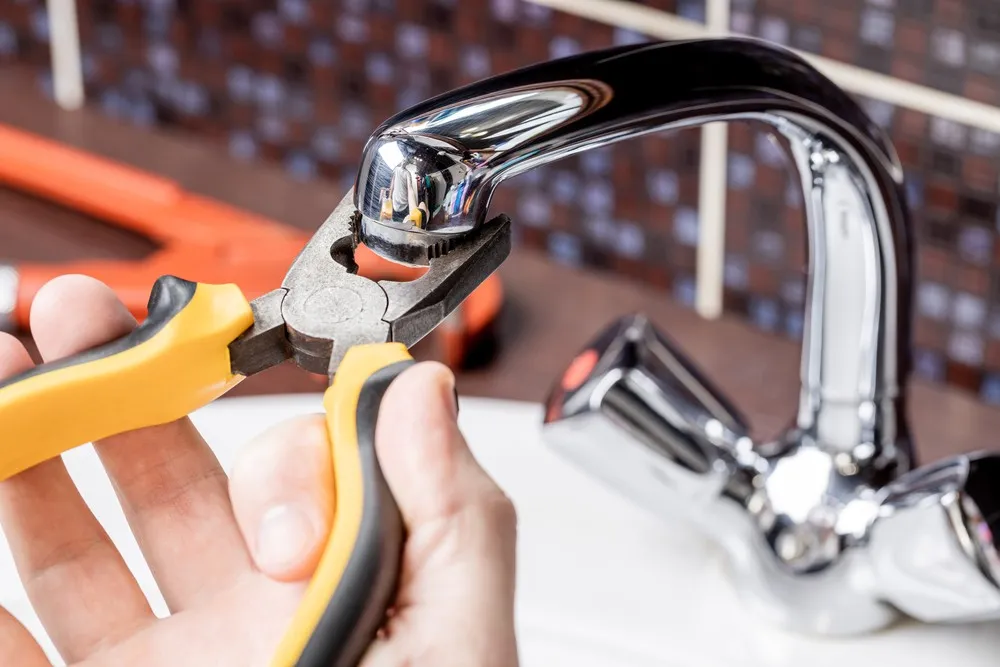
Routine plumbing tune-ups are the single best preventive step Dawsonville homeowners can take to avoid costly emergency repairs, improve system efficiency, and extend the life of fixtures and appliances. A professional Plumbing Tune-up in Dawsonville, GA focuses on inspections, drain clearing, valve and pressure checks, water heater maintenance, and minor adjustments and cleaning — all tailored to the local climate and common regional issues like mineral buildup from hard water and occasional freeze cycles.
Why a plumbing tune-up matters in Dawsonville
Dawsonville’s combination of humid summers, periodic winter cold snaps, and generally hard water creates conditions that accelerate wear on plumbing components. Mineral deposits reduce flow and efficiency in water heaters and faucets, temperature swings raise the risk of frozen or stressed pipes, and seasonal spikes in irrigation and household water use strain valves and pressure regulators. A tune-up identifies early signs of failure so you avoid sudden leaks, burst pipes, or a cold shower when your water heater fails.
Common plumbing problems a tune-up prevents
- Slow or recurring clogged drains in sinks, tubs, and floor drains caused by hair, grease, and mineral scale
- Reduced water heater efficiency or noisy tanks from sediment buildup
- Leaky shut-off valves and faucet drips that waste water and increase bills
- High or fluctuating water pressure that stresses pipes and fixtures
- Main shutoff or gate valves that are difficult to operate after years of inactivity
- Hidden slow leaks behind walls or under slabs that lead to mold or structural damage
- Corroded fittings, especially in older Dawson County homes with galvanized or mixed-metal plumbing
What a typical plumbing tune-up includes
A comprehensive tune-up combines visual inspection, simple diagnostics, targeted cleaning, and minor repairs. Typical components:
- Full system inspection
- Visual check of exposed pipes, fixtures, hose bibs, and visible drain lines
- Check for signs of corrosion, wet spots, or past repairs
- Drain clearing and flow testing
- Removal of common blockages in sinks, tubs, and floor drains
- Testing velocities and checking for recurring slow points
- Valve and shutoff service
- Operability check of main shutoff, isolation valves, and angle stops
- Lubrication or minor repairs to valves so they function when needed
- Water pressure and regulator check
- Measure static and working pressure and inspect pressure reducing valve (PRV) if present
- Recommend adjustments if pressure is too high or too low for home systems
- Water heater maintenance
- Inspection of tank or tankless unit, thermostat checks, and pilot/burner inspection for gas units
- Sediment flushing for tank systems, test of temperature-pressure relief valve, and inspection of anode rod where accessible
- Minor adjustments and cleaning
- Tightening of loose connections, replacement of worn washers or cartridges, and cleaning aerators and showerheads to restore flow
- Documentation and recommendations
- Summary of findings, components that were serviced, and prioritized replacement suggestions for aging parts
Recommended tune-up intervals for Dawsonville homes
- Annual comprehensive tune-up: Recommended for most homes, especially with water heaters and older plumbing systems. Annual service prevents sediment buildup and catches leaks early.
- Water heater service: Flush tank-style water heaters at least once a year in areas with hard water; more frequently if you see sediment or reduced efficiency.
- Drain clearing: Every 12-24 months for preventive clearing; sooner if you notice slow drains or recurring clogs.
- Valve and pressure checks: Annually, and before winter to ensure outside hose bibs and shutoffs function during freezing conditions.
- Older homes or high-use households: Consider a semi-annual check to catch problems caused by aging pipes or heavy demand.
Signs a tune-up is overdue
- Slow drains or frequently recurring clogs
- Reduced hot water capacity or longer recovery times from the water heater
- Visible corrosion, wet spots, or unexplained increases in water bills
- Sputtering faucets, banging pipes, or sudden pressure fluctuations
- Stiff or non-functioning shutoff valves
- Musty odors, discoloration in water, or visible sediment in fixtures
Addressing these signs with a tune-up reduces the chance of emergency calls and provides peace of mind.
How tune-ups avoid emergency repairs and save money
- Early leak detection prevents water damage, mold growth, and structural repairs that cost many times more than routine maintenance.
- Flushing sediment and checking burner operation restores water heater efficiency, lowering energy costs and reducing the risk of premature failure.
- Proper pressure regulation and functioning shutoffs reduce stress on pipes and fixtures, preventing burst lines and expensive replacements.
- Replacing small worn parts during a tune-up avoids cascading failures that lead to major repairs or appliance replacement.
What to expect during and after a tune-up
During a professional tune-up, you can expect focused inspections and straightforward fixes that limit disruption. Technicians perform visible checks, run water through systems to detect slow spots, and perform safe, manufacturer-aligned maintenance on water heaters. After service, homeowners typically receive a clear summary of what was inspected, what was adjusted or cleaned, and which items should be watched or scheduled for replacement.
Practical tips for Dawsonville homeowners
- Schedule a tune-up in spring and again in fall if your home is older or has persistent plumbing issues; space annual full-service inspections to coincide with seasonal changes.
- Before winter, winterize outdoor faucets and check hose bibs and insulation on exposed pipes to lower freeze risk.
- Install and monitor a water pressure gauge if you live in an area with frequent pressure swings; keeping pressure between 40-60 psi helps protect plumbing.
- Consider a whole-house water softener if you have pronounced hard water symptoms like white scale on fixtures or frequent water heater sediment.
A well-executed plumbing tune-up in Dawsonville, GA protects your home from avoidable emergencies, improves system performance, and extends the life of expensive components. Regular preventive maintenance tailored to local conditions keeps plumbing systems reliable through hot, humid summers and occasional cold snaps in northern Georgia.
Customer
Testimonials


Service Areas