
Plumbing Service in Dawsonville, GA
.webp)
Plumbing service in Dawsonville, GA provides full-service residential and light commercial solutions tailored to North Georgia homes. This page outlines the services offered, diagnostic approach, qualified technicians, transparent pricing, and clear booking expectations, along with practical maintenance tips specific to Dawsonville climates. Readers will learn how licensed experts identify leaks, perform camera inspections, and select preventive measures to extend fixture life, improve efficiency, and prevent costly emergencies. Emphasis on local conditions, written estimates, and customer-oriented care.
Plumbing Service in Dawsonville, GA
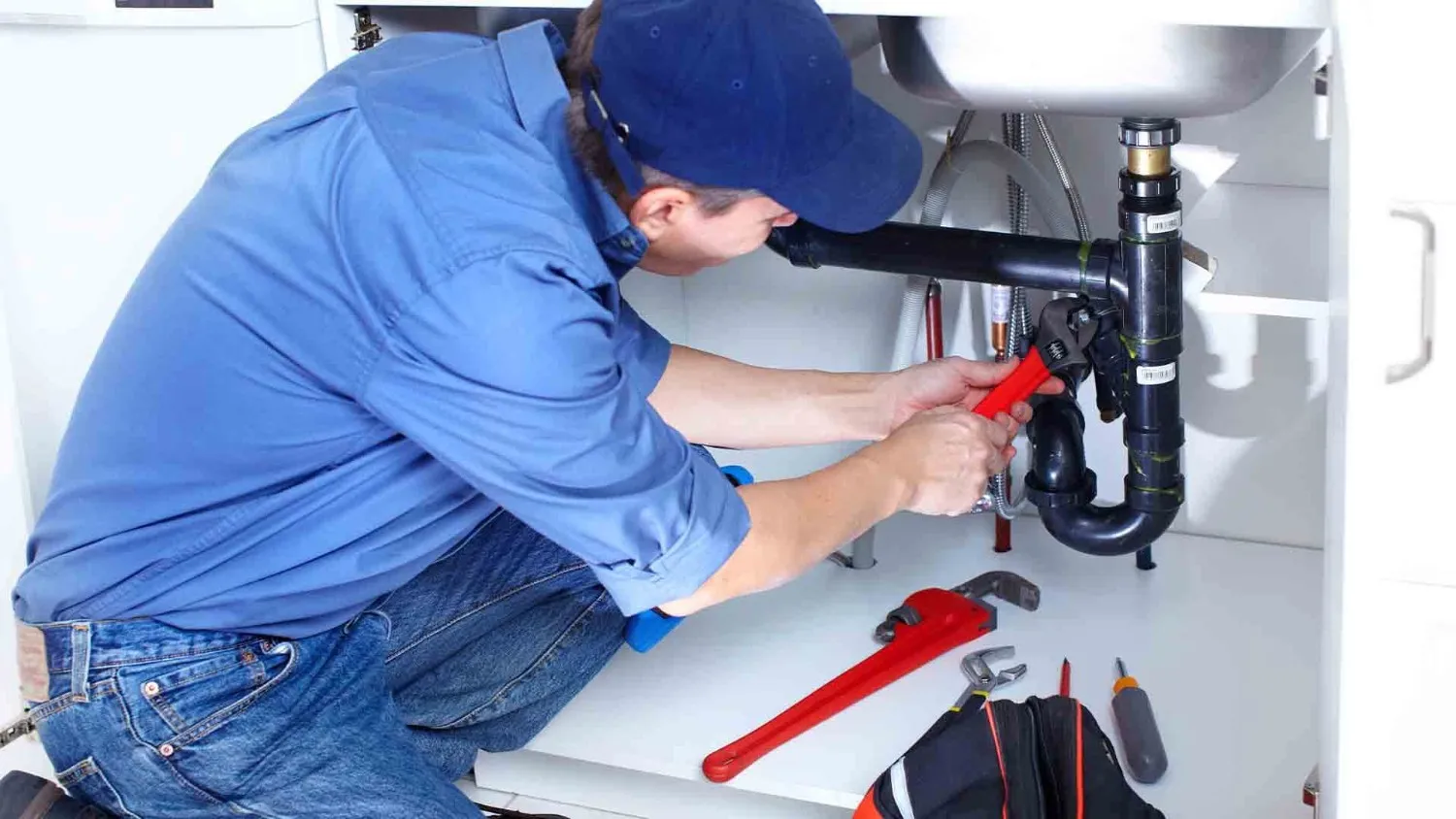
Plumbing Service in Dawsonville, GA provides full-service residential and light commercial plumbing solutions tailored to the climate and building styles found in North Georgia. Whether you are dealing with a hidden leak behind a drywall, slow or recurring clogs, a failing water heater, or planning a fixture upgrade, this page explains the services, diagnostic approach, technician qualifications, pricing transparency, booking expectations, and practical maintenance advice specific to Dawsonville homes.
Why local plumbing expertise matters in Dawsonville
Dawsonville’s mountain-adjacent climate brings seasonal temperature swings, occasional freezing nights, and humid summers. Those conditions make certain problems more common here: frozen or burst pipes during cold snaps, mineral scaling from hard water, and increased wear on outdoor lines after heavy storms. Local plumbers understand these patterns and can recommend repairs and preventive measures that suit Dawsonville homes and soils, including septic vs. municipal sewer considerations.
Common plumbing issues in Dawsonville homes
- Leaks: slab leaks, behind-wall leaks, faucet and fixture drips.
- Drains: slow sinks, recurring clogs in kitchen and bathroom drains, main sewer backups.
- Water heater problems: lack of hot water, noisy tanks, leaks, pilot or ignition failures, and efficiency losses in older units.
- Fixture failures: leaky toilets, worn cartridges in faucets, running toilets, and loose or corroded valves.
- Frozen or burst pipes: due to nighttime temperature drops and insufficient insulation.
- Well and septic system issues: pump failures, pressure problems, and septic backups in rural properties.
- Gas line and appliance concerns: loose connections or appliance venting issues (handled by certified technicians).
Full range of services
- Leak detection and repair: acoustic leak detection, electronic tracing, thermal imaging, and non-invasive pinpointing to reduce demolition.
- Drain cleaning: mechanical snaking, high-pressure hydro-jetting, and camera inspection to locate persistent blockages.
- Fixture repair and replacement: faucets, sinks, toilets, showers, tubs, and outdoor hose bibs, including ADA-compliant upgrades.
- Water heater service: tank flushing, element replacement, thermostat repair, anode rod inspection, and tankless system maintenance.
- Diagnostics and inspections: whole-house plumbing surveys, sewer camera inspections, water quality testing, and pressure tests.
- Pipe repair and repiping: spot repairs, section replacements, and full repiping using copper, PEX, or CPVC as appropriate.
- Sewer and septic services: main line cleaning, root intrusion removal, septic pump and component service.
- Emergency plumbing: rapid response protocols for burst pipes, major leaks, and sewer backups.
Diagnostic process you can expect
- Initial assessment: a focused interview about symptoms, visible signs, and any recent work or events (freeze, remodel, heavy rain).
- Visual inspection: check fixtures, accessible piping, and appliances for leaks, corrosion, and wear.
- Targeted diagnostics: use of leak detection tools (acoustic sensors, thermal cameras), sewer cameras for mainline problems, and pressure testing for hidden issues.
- Transparent findings: technicians summarize the cause, show any camera images or photos taken, and present repair options with estimated timelines and scopes.
- Written estimate: a clear, itemized estimate outlining parts, labor, and warranty terms before work begins.
Technician qualifications and standards
- Licensed and insured plumbers equipped for municipal and well/septic systems.
- Background-checked, uniformed technicians who follow on-site safety and cleanliness protocols.
- Ongoing training in modern methods: camera inspection, hydro-jetting, tankless system service, and code-compliant repairs.
- Workmanship warranty on repairs and clarity on manufacturer warranties for replacement parts and equipment.
- Gas appliance and gas-line work performed by certified technicians meeting local code requirements.
Pricing and booking overview (what to expect)
- Pricing model: transparent, itemized estimates provided after diagnostics. Common repairs often have standardized pricing structures, while complex jobs are scoped and documented before work.
- Emergency and after-hours service: many local providers offer extended availability; emergency responses are prioritized to prevent property damage.
- Scheduling: flexible appointment windows, on-time arrival windows, and clear communication about expected arrival time and delay notifications.
- Payment and documentation: written invoices that list labor, parts, and warranties; explanations of recommended options and potential long-term savings from repairs or upgrades.
Benefits of prompt, professional plumbing service
- Prevent costly water damage and mold growth from hidden leaks by catching issues early.
- Improve energy efficiency and lower utility bills with maintained water heaters and properly functioning fixtures.
- Extend the life of plumbing systems with regular maintenance—flushing water heaters, replacing sacrificial anode rods, and addressing hard-water scaling.
- Reduce recurring clogs and sewer backups with camera-based diagnosis and effective cleaning methods like hydro-jetting.
- Increase safety by ensuring gas lines, venting, and pressure systems meet code and operate correctly.
Maintenance and seasonal tips for Dawsonville homeowners
- Winterize vulnerable pipes: insulate exposed pipes in unheated areas, shut off and drain exterior lines before cold snaps, and keep a slow trickle of water on at-risk faucets during freezing nights.
- Annual water heater service: flush tanks yearly to remove sediment that reduces efficiency and shortens lifespan. Inspect anode rods every 2–3 years in areas with mineral-rich water.
- Address hard water: consider a water softener or targeted scale prevention for appliances and fixtures if mineral buildup is recurring.
- Prevent clogs: avoid grease and fibrous materials in kitchen drains, use hair catchers in showers, and schedule periodic drain maintenance for older homes with original piping.
- Monitor outdoor grading and runoff: heavy storms can shift soil and stress buried piping; check for signs of sinking or wet spots in the yard.
What distinguishes professional plumbing service in Dawsonville
Local plumbing professionals combine technical diagnostics with knowledge of regional conditions—freeze events, seasonal storms, hard water, and septic prevalence—to provide repairs that last. The emphasis is on non-invasive diagnosis, clear written estimates, licensed workmanship, and preventive guidance so homeowners can make informed decisions and protect property value.
This summary covers the scope of comprehensive plumbing care available for Dawsonville, GA homes: from precise leak detection and drain clearing to water heater maintenance, fixture upgrades, diagnostics, and skilled, licensed technicians who follow transparent pricing and documentation practices. Regular maintenance and timely repairs tailored to local conditions help prevent emergencies and preserve the comfort and safety of your home.
Customer
Testimonials


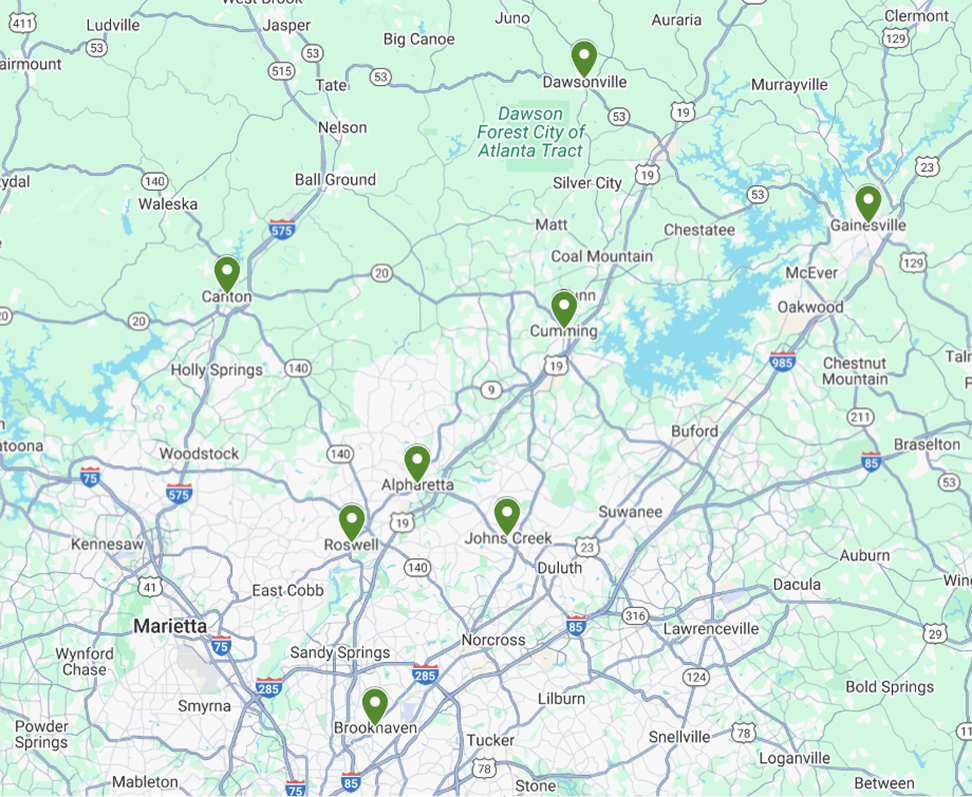
Service Areas