
Plumbing Replacement in Dawsonville, GA
.webp)
Explains when and why to consider plumbing replacement in Dawsonville, GA, covering water heaters, piping, fixtures, and sewer lines. The guide outlines diagnostic steps, replacement options, and the benefits of upgrading to newer materials and high-efficiency equipment. It provides a realistic project timeline, cost considerations, and warranty options, including manufacturer and workmanship coverages. Practical maintenance tips help maximize value and longevity, while emphasizing proactive replacement to reduce emergencies, improve energy efficiency, and protect the home.
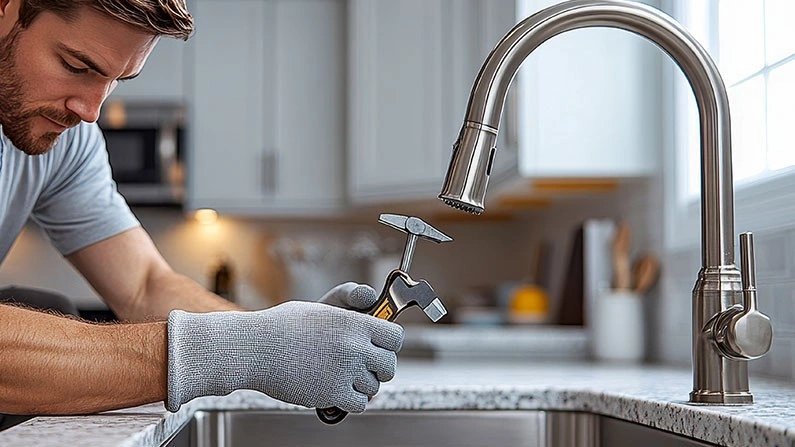
Plumbing Replacement in Dawsonville, GA
When plumbing components age or fail they create disruption, damage, and recurring costs. In Dawsonville, GA, where seasonal temperature swings, tree-rooted yards, and locally variable water hardness affect plumbing lifespan, timely plumbing replacement protects your home and budget. This page explains common replacement needs for water heaters, piping, fixtures, and sewer lines, how replacements are evaluated, the options and benefits available, expected timelines, and the warranties typically offered so you can make a confident decision.
Common plumbing replacement needs in Dawsonville, GA
- Water heater replacement in Dawsonville, GA
Signs you need a replacement include rusty or discolored water, frequent short cycling, loud rumbling noises, and leaks around the tank. Local winters can cause extra stress on older tanks and boost the value of upgrading to a more efficient model. - Pipe replacement (repiping)
Aging copper, galvanized steel, or corroded iron pipe can lead to leaks, low pressure, and discolored water. Dawson County’s water mineral content and freeze-thaw conditions increase deterioration risk in older systems. - Fixture replacement
Worn faucets, shower valves, and toilets can leak, waste water, and fail to meet modern efficiency standards. Upgrading to low-flow fixtures improves comfort and reduces utility bills. - Sewer line replacement
Tree root intrusion, root-soil movement near the foothills, and old clay or cast iron pipes can cause backups, slow drains, and odors. Replacing damaged sewer lines restores flow and prevents structural damage.
How replacement needs are diagnosed
A thorough, objective assessment is the first step. Typical diagnostic steps include:
- Visual inspection of accessible piping, fixtures, and tanks for corrosion, leaks, and signs of wear.
- Water pressure and flow testing to identify supply restrictions.
- Water quality testing to detect elevated iron, sediment, or mineral content that accelerates corrosion.
- Thermal imaging and moisture mapping to locate hidden leaks behind walls or under floors.
- Sewer camera inspection to pinpoint blockages, broken joints, offsets, and root intrusion.
- Water heater performance testing including temperature settings, pressure relief valve check, and anode rod condition.
This assessment establishes which components need replacement versus repair, the most suitable replacement materials, and an accurate scope for permitting and scheduling.
Replacement options and the benefits of upgrading
- Water heaters
Options include traditional tank models, tankless on-demand systems, and heat pump/hybrid units. Benefits: higher energy efficiency, longer service life with tankless, reduced standby heat loss, and lower monthly energy use. In Dawsonville, choosing a higher-efficiency unit reduces energy usage during both hot summers and colder months when demand spikes. - Piping materials
Common choices are PEX, copper, CPVC, and PVC for drain lines. PEX is flexible, resists freeze damage, and is often faster to install with fewer joints. Copper is durable and proven but can corrode with certain water chemistries. Selection depends on existing plumbing, code, and water quality. - Fixtures
Modern low-flow faucets, showerheads, and high-efficiency toilets reduce water use without sacrificing performance. Pressure-balancing valves and ceramic-disc cartridges improve lifespan and reliability. - Sewer line options
Traditional open-trench replacement removes damaged sections for full restoration. Trenchless methods, including pipe bursting and cured-in-place lining, often reduce landscape disruption and shorten work time when conditions allow. In yards with mature trees common in Dawsonville, trenchless solutions can limit root disturbance.
Project timeline and cost considerations
Projects are scheduled around inspection, permitting, and material availability. Typical timelines:
- Inspection and estimate: a few hours for a detailed assessment.
- Water heater replacement: commonly completed in half a day to one full day depending on venting and gas or electrical work.
- Minor fixture or short pipe sections: often a few hours to a day.
- Whole-house repiping: typically 2 to 5 days depending on house size, accessibility, and finish restoration needs.
- Sewer line replacement: trenchless jobs often 1 to 3 days; full excavation may require multiple days to a week depending on length and landscaping repairs.
Cost drivers include materials chosen (PEX vs copper), accessibility, extent of corrosion or hidden damage, required structural repairs, and local permit requirements. Because permits and inspections are commonly required, plan for a short administrative lead time before work begins.
Warranties and what they cover
Replacement projects typically come with two warranty types:
- Manufacturer warranties for parts and equipment: these cover defects in the product and vary by product type. High-efficiency water heaters and premium fixtures often carry longer manufacturer coverage.
- Workmanship warranties for labor: these cover installation-related issues and commonly range from short-term coverage to multi-year guarantees depending on the provider. Confirm whether warranties cover parts, labor, or both, and whether they require regular maintenance to remain valid.
Always verify warranty terms, registration requirements, and whether local codes or permit inspections must be completed to keep warranties intact.
Maintenance tips to maximize replacement value
- Install a water softener or scale-control device if your water test shows hard water. This reduces mineral buildup in heaters and fixtures and extends component life.
- Schedule annual or biennial inspections for water heaters and visible piping to catch issues early.
- Insulate exposed pipes and add heat tape where freeze risk exists to prevent winter bursting.
- Keep trees and roots a safe distance from sewer lines and consider root barriers if roots have been an issue.
- Use strainers and avoid pouring grease or heavy solids down drains to protect sewer lines and extend service life.
Why replace proactively
Proactive replacement improves reliability, reduces emergency repair risk, increases energy efficiency, improves water quality, and protects your property from water damage. In Dawsonville homes where seasonal conditions and mature landscaping affect plumbing longevity, timely replacement is often the most cost-effective path to long-term resilience and lower operating costs.
Replacing plumbing components is a technical decision that benefits from clear inspection data, material comparisons, and a realistic timeline. With the right choices—appropriate materials, modern equipment, and proper warranties—you gain lasting performance and peace of mind.
Customer
Testimonials


Service Areas