
Mini Split Service in Dawsonville, GA
.webp)
Mini Split service in Dawsonville, GA provides thorough diagnostics, routine maintenance, and rapid repairs to keep ductless systems performing at peak efficiency. The page outlines common issues such as poor cooling, restricted airflow, refrigerant leaks, and noisy operation, and explains the steps of a full diagnostic, safety checks, and load-tested performance verifications. It also covers routine tasks, part replacements, emergency response options, service agreements, homeowner tips, and the long-term benefits of proactive care for comfort, energy savings, and system longevity.
Mini Split Service in Dawsonville, GA
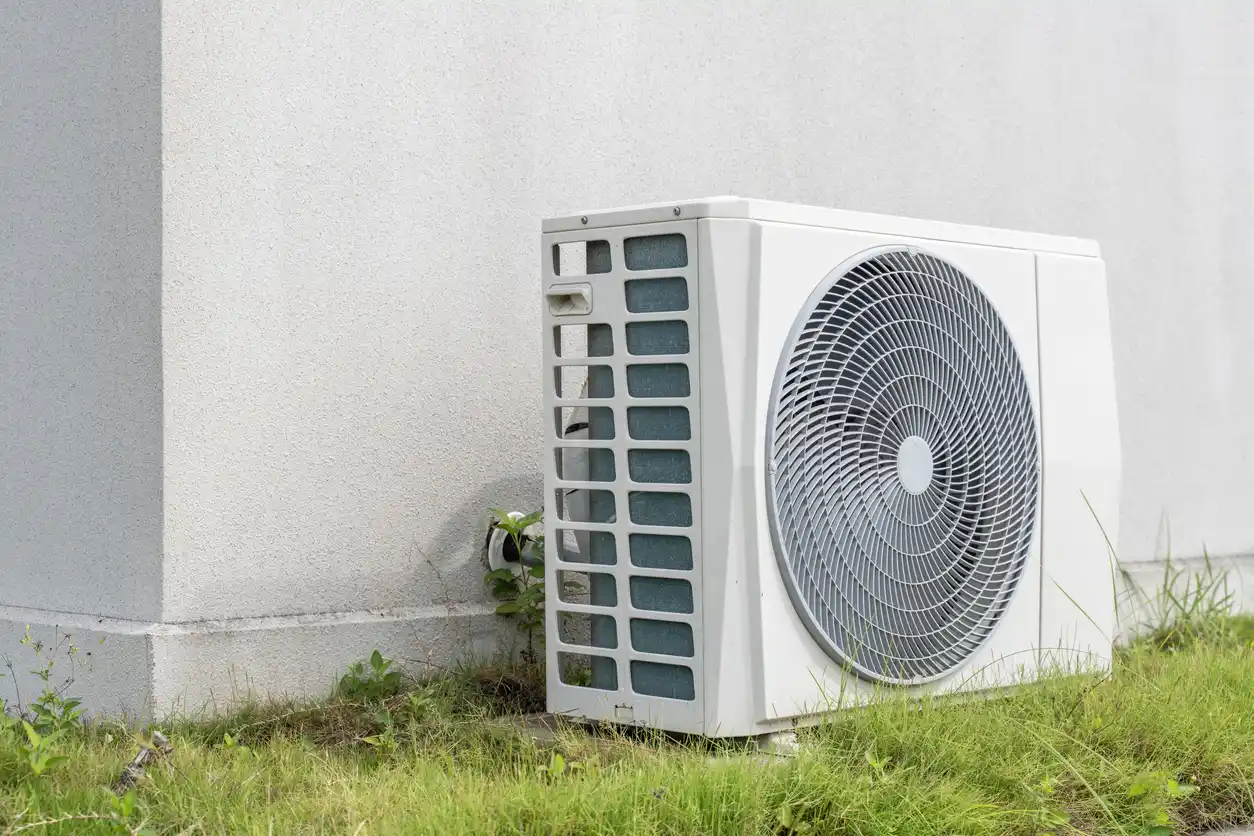
Mini Split service in Dawsonville, GA ensures your ductless heating and cooling system runs reliably through humid Georgia summers and chilly mountain nights. Proper servicing addresses comfort problems, prevents breakdowns during peak use, and helps extend equipment life. This page explains what to expect from professional Mini Split system diagnostics and maintenance, common issues in Dawsonville homes, typical repairs, safety and performance checks, 24/7 response options, and how one-time visits or service agreements protect your investment.
Why timely Mini Split service matters in Dawsonville, GA
Dawsonville sits in the northern Georgia foothills where summer humidity, seasonal pollen, and fall leaf drop put added strain on outdoor units and filters. High seasonal runtime increases wear on compressors and fans, while moist conditions raise the risk of coil corrosion and clogging in condensate drains. Regular professional service keeps refrigerant levels correct, airflow optimal, and controls calibrated so the system delivers efficient heating and cooling when it is needed most.
Common Mini Split issues in Dawsonville homes
- Poor cooling or heating performance despite correct thermostat settings
- Weak airflow from wall or ceiling heads caused by dirty filters or motor problems
- Short cycling or frequent on-off cycles that shorten component life
- Refrigerant leaks that reduce efficiency and can damage the compressor
- Frozen evaporator coils from restricted airflow or low refrigerant
- Noisy operation from failing fans, bearings, or loose panels
- Erratic operation or error codes from sensors, control boards, or communication faults
- Condensate drain clogs causing water drip or indoor moisture issues
What a full Mini Split system diagnostic includes
A thorough diagnostic isolates root causes instead of treating symptoms. Typical diagnostic steps include:
- Visual inspection of indoor and outdoor units for debris, corrosion, or damage
- Cartridge and filter checks to confirm cleanliness and airflow
- Electrical inspection of power connections, fuses, capacitors, contactors, and wiring for safety and continuity
- Refrigerant system evaluation including pressure checks, leak detection, and verification of proper charge using superheat/subcooling measurements
- Compressor and fan motor performance testing
- Thermostat and control communication checks, plus sensor verification and calibration
- Operational test under load to confirm temperature split, airflow, and cycle times
- Documentation of findings and recommended repairs or maintenance items
Routine servicing tasks performed on Mini Splits
Routine maintenance restores efficiency and prevents common failures. Standard tasks include:
- Filter cleaning or replacement to maintain airflow and indoor air quality
- Indoor coil cleaning to remove dust and pollen that reduce heat transfer
- Outdoor coil cleaning and fin straightening to improve condensing efficiency
- Refrigerant level checks and leak inspection to maintain cooling capacity
- Thermostat calibration and control software checks for accurate setpoint response
- Condensate drain cleaning to prevent clogs and water damage
- Lubrication and tightening of fan motors, mounts, and access panels
- System performance report with measured temperatures, pressures, and recommendations
Common part replacements and when they are needed
Parts commonly replaced during service visits include:
- Air filters and washable filter media
- Capacitors and contactors on outdoor units
- Fan motors and blower assemblies on indoor heads
- Expansion valves, TXV or orifice devices when metering fails
- Line driers and filter cores after a leak repair
- Control boards, sensors, and thermostats for communication or accuracy faults
- Compressor replacement in case of mechanical failure or severe refrigerant contamination
Replacing worn components early reduces the chance of catastrophic failures and helps keep energy costs predictable.
Safety and performance inspections
Safety and performance inspections protect residents and property while ensuring system efficiency:
- Confirming proper electrical grounding and secure connections
- Verifying breaker and disconnect operation and amp draw within safe limits
- Ensuring refrigerant handling follows recovery and evacuation best practices
- Checking for signs of refrigerant oil contamination or moisture in the system
- Testing defrost cycles and reversing valve operation on heat pump models for reliable winter heating
- Inspecting mounting and clearances to prevent vibration and airflow restrictions
24/7 response and emergency considerations
Unexpected failures can leave a home without cooling during hot, humid days or without heat on cold nights. Emergency response options prioritize safety and comfort with rapid diagnostics and temporary measures to restore operation when possible. For refrigerant leaks, immediate isolation and temporary system protection are performed to limit damage until full repairs can be completed.
One-time visits versus service agreements
- One-time visits are ideal for troubleshooting a single problem, verifying repairs, or handling seasonal preparation when a homeowner prefers an as-needed approach.
- Service agreements provide scheduled maintenance, priority service during peak seasons, documented tune-ups, and predictable upkeep. Agreements often include seasonal inspections timed to Dawsonville climate patterns: pre-summer cooling tune-ups and pre-winter heat pump checks.
Benefits of an agreement:
- Consistent seasonal maintenance to maintain efficiency
- Early detection of issues before major failures occur
- Better long-term equipment life and sustained comfort levels
- Predictable maintenance schedule aligned with local weather demands
Benefits of regular Mini Split service in Dawsonville, GA
- Improved energy efficiency and lower utility costs by restoring factory performance
- Fewer emergency repairs during high-use seasons
- Longer equipment life and preserved manufacturer warranties when maintenance records are kept
- Better indoor comfort with even temperature control and dependable defrost cycles in winter
- Cleaner indoor air by keeping filters and coils maintained through pollen season
Homeowner maintenance tips between professional services
- Clean or rinse washable filters every 2 to 4 weeks during high pollen or high-use months
- Keep 2 to 3 feet of clearance around outdoor units and remove leaves, grass, and debris
- Check condensate drains for slow drainage and clear minor clogs with appropriate methods
- Avoid large thermostat swings; maintain consistent setpoints to reduce short cycling
- Monitor system operation for unusual noises, water leaks, or error codes and record when issues first appear
Regular, professional Mini Split service in Dawsonville, GA combined with simple homeowner upkeep prevents common problems caused by local humidity, pollen, and seasonal temperature swings. Proper diagnostics, timely repairs, and scheduled tune-ups preserve comfort, protect equipment, and maintain efficiency so a Mini Split system consistently performs for years.
Customer
Testimonials


Service Areas