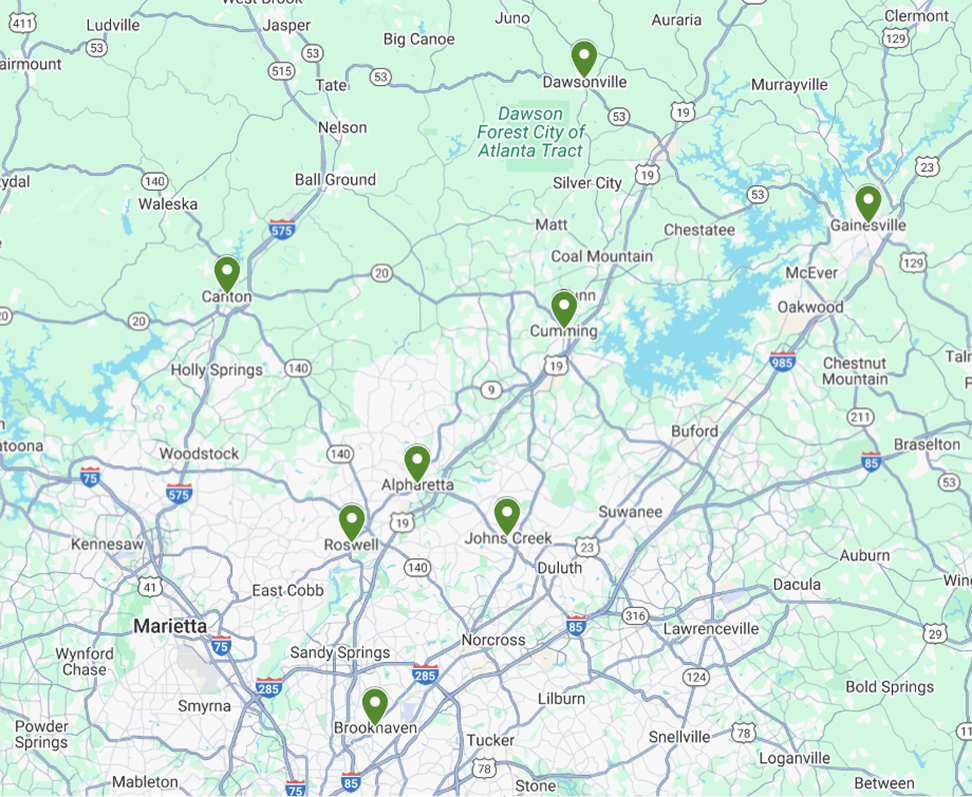

Mini Split Repair in Dawsonville, GA
.webp)
Mini Split Repair in Dawsonville, GA delivers fast, on-site diagnostics and reliable repairs to restore ductless systems for Dawsonville's hot, humid summers. The page outlines common failure modes: compressor, refrigerant leaks, control faults, airflow, and electrical issues, with step-by-step diagnostics, timely parts replacement, and service that withstands local climate stresses. It covers repair timelines, emergency response, warranties, and proactive maintenance tips to reduce future breakdowns and extend system life. Exact diagnostics aim to address root causes and prevent recurring outages.
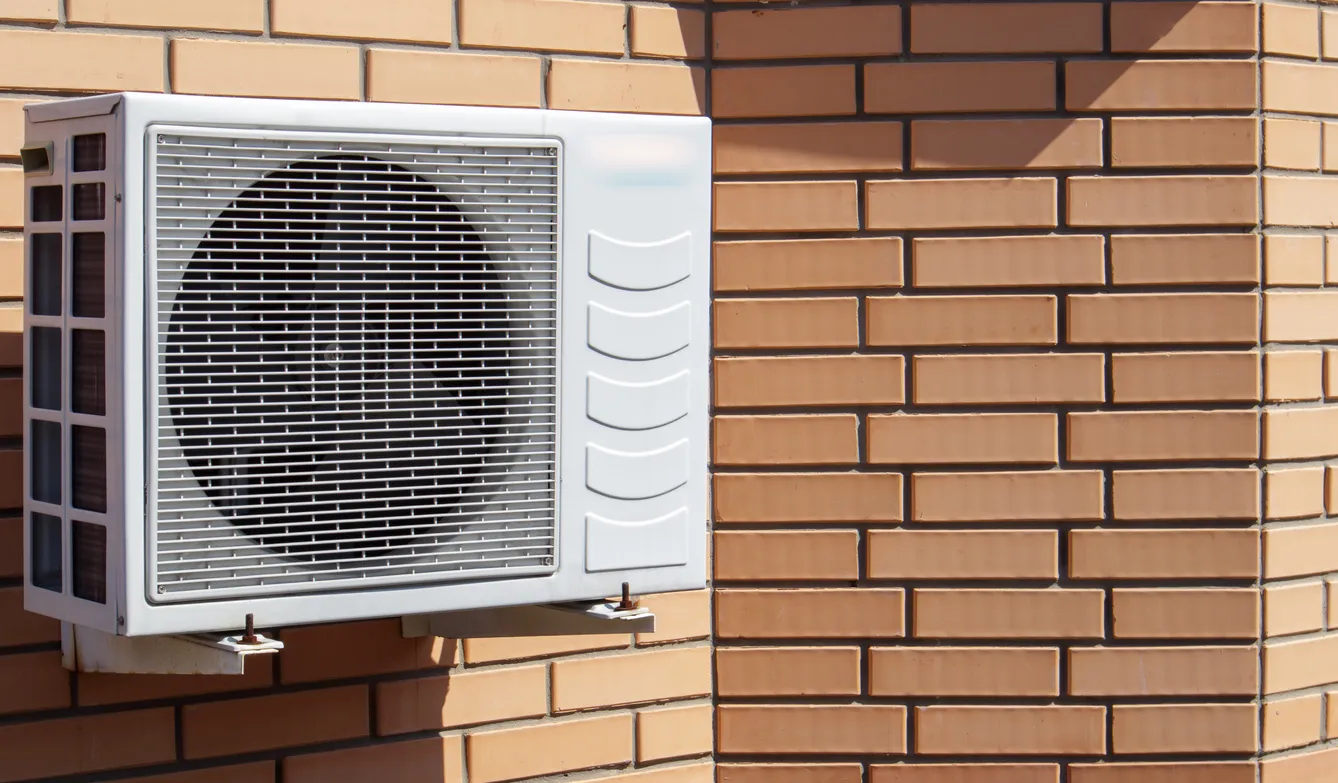
Mini-split Repair in Dawsonville, GA
Mini Split Repair in Dawsonville, GA focuses on getting ductless systems back to reliable operation quickly and efficiently. In Dawsonville’s hot, humid summers and pollen-heavy spring, Mini Splits do heavy lifting for cooling and dehumidification. When a unit loses performance, cycles oddly, or fails to run at all, homeowners and small businesses need accurate diagnostics, timely parts replacement, and repairs that hold up under local climate stresses. This page explains common failure modes, on-site diagnostic procedures, repair solutions, typical timelines, emergency response, warranty practices, and practical steps to reduce the chance of repeat breakdowns.
Common mini-split repair issues in Dawsonville, GA
Understanding the typical problems helps you identify when a repair is needed and what to expect.
- Compressor problems
- Symptoms: unit won’t cool or heat, loud humming or clicking from the outdoor compressor, frequent tripping of breakers.
- Causes: electrical faults, motor wear, refrigerant starvation, or mechanical failure from heavy seasonal use.
- Refrigerant leaks
- Symptoms: reduced cooling capacity, frosting on indoor coils, higher run times with poor results.
- Causes: corrosion at fittings, vibration wear, or small punctures in lines — more likely where salt, humidity, and temperature swings accelerate wear.
- Control or sensor faults
- Symptoms: unit runs when not needed, short cycles, incorrect temperature reporting, or failure to respond to remote/thermostat.
- Causes: failed control boards, faulty thermistors/temperature sensors, or wiring damage from pests or storms.
- Airflow problems
- Symptoms: weak airflow from indoor head, uneven temperatures, higher humidity in rooms.
- Causes: clogged filters, dirty indoor coils, failing fans or blower motors, or obstructed outdoor condenser airflow from leaves and pollen.
- Electrical and safety issues
- Symptoms: tripped breakers, burned smells, intermittent operation.
- Causes: loose connections, bad contactors, capacitor failure, or inadequate surge protection during thunderstorms.
On-site diagnostic procedures
A clear, step-by-step diagnostic approach prevents unnecessary part swaps and speeds repair.
- Visual and environmental inspection
- Check indoor and outdoor units for debris, animal damage, corroded fittings, and evidence of leaks.
- Note placement issues common in Dawsonville homes, like restricted outdoor units near heavy foliage or uphill drainage creating moisture pools.
- Electrical checks
- Verify power supply, breaker condition, voltage at unit terminals, and capacitor and contactor health.
- Refrigerant system assessment
- Connect gauges to measure pressures, inspect for oil at fittings (a sign of leaks), and trace lines for damage or kinks.
- Control and sensor verification
- Test thermistors, control boards, and remote/zone communication. Confirm correct signal and response times.
- Airflow and mechanical evaluation
- Measure static pressure and airflow, inspect indoor coil cleanliness, and test fan motors for proper RPM and bearing noise.
Diagnostics focus on isolating root causes so repairs address problems permanently rather than temporarily.
Parts replacement and repair solutions
Repairs range from simple replacements to complex system work. Common solutions include:
- Compressor repair or replacement
- If the compressor fails mechanically, replacement is often required. Technicians assess whether a compressor change is cost-effective relative to system age.
- Refrigerant leak repair and recharge
- Pinpointing and repairing leaks (soldering or replacing sections of line set) followed by proper evacuation and recharge with manufacturer-recommended refrigerant.
- Control board or sensor replacement
- Swapping bad boards, thermistors, or remotes restores accurate control and eliminates erratic cycling.
- Fan and blower motor service
- Replacing worn motors or bearings improves airflow and system efficiency.
- Cleaning and coil service
- Deep cleaning indoor evaporator coils and outdoor condenser coils reduces strain on the compressor and improves dehumidification — crucial for Dawsonville’s humid months.
- Electrical component replacement
- Replacing capacitors, contactors, relays, and ensuring proper wiring and surge protection prevents future electrical failures after seasonal storms.
Repairs include verifying the system operates through full cycles and rechecking refrigerant levels and electrical readings.
Typical repair timelines and what to expect
Repair duration depends on the issue and parts availability.
- Minor repairs and parts swaps (filters, sensors, cleaning): often completed within a few hours on site.
- Refrigerant leak detection and repair: can take a half day to a full day depending on locating and repairing the leak and required evacuation/recharge times.
- Compressor or major component replacement: typically requires one day on site; older systems may need additional time for custom line work or hard-to-source parts.
- Complex diagnostic jobs that involve intermittent electrical issues or multiple failing components may extend to multiple visits.
Technicians usually verify full system performance through a complete operating cycle before finalizing the job.
Emergency response process
For sudden failures during peak heat or overnight:
- Immediate triage focuses on stabilizing the system: restoring safe power, clearing obstructions, and isolating leaks.
- Emergency visits prioritize safety and restoring partial function when full repair requires parts or longer work.
- Clear documentation of the temporary measures and a recommended follow-up plan is provided so you know which actions restore full reliability.
Warranties and quality assurance
Reliable repairs are backed by workmanship and parts coverage.
- Parts warranty: replacement components often carry manufacturer warranty terms; technicians document part numbers and warranties.
- Labor warranty: common practice is to provide a limited labor warranty on repairs for a specified period, covering repeat failure of the same component if installed correctly.
- Post-repair verification: testing under load, refrigerant pressure checks, and performance measurements ensure the repair meets expected standards.
Always request written documentation of which items are covered and the duration of any labor warranty.
Tips to avoid future mini-split breakdowns in Dawsonville
Preventive care reduces costly emergency fixes and prolongs system life.
- Schedule seasonal maintenance before spring and before the start of heating season to catch issues before high demand.
- Change or clean filters monthly during pollen season and summer to maintain airflow and indoor air quality.
- Keep outdoor units clear of leaves, grass clippings, and vegetation; Dawsonville’s foliage and storms can quickly block airflow.
- Protect against power surges common during summer storms with proper surge protection at the breaker or dedicated devices.
- Monitor unusual sounds or cycling and address minor symptoms promptly to avoid larger failures.
- Consider programmable controls or zoning checks to reduce excessive runtime and wear in frequently used rooms.
Mini Split Repair in Dawsonville, GA is about matching precise diagnostics with climate-aware solutions. Properly executed repairs restore comfort quickly and extend the life of your system, while seasonal maintenance tailored to local conditions prevents most emergency failures.
Customer
Testimonials


Service Areas