
Mini-split Installation in Dawsonville, GA
.webp)
Mini Split installation in Dawsonville, GA offers a flexible, energy-efficient cooling and heating solution for homes without ducts. This page outlines the full installation process—from initial site assessment and load calculations to unit placement, electrical work, line-set routing, permitting, testing, and handoff. It also highlights common installation challenges, expected timelines, cost drivers, and maintenance tips to protect performance and warranty. Readers gain clear expectations for professional service, proper sizing, and durable operation in local climate conditions.
Mini-split Installation in Dawsonville, GA
Mini Split installation in Dawsonville, GA provides a flexible, energy-efficient way to heat and cool homes that face hot, humid summers and cooler foothill winters. Ductless Mini Split systems are especially well suited to older homes without existing ductwork, additions, garages converted to living space, and rooms that need independent temperature control. This page explains the full installation process, what to expect during and after installation, common local issues, and how professional installation protects your investment.
Why a mini-split makes sense in Dawsonville, GA
- Summers in Dawsonville are humid and often warm, so high SEER ratings and effective dehumidification matter.
- Many local homes are older or have multiple small zones; ductless systems offer room-by-room control without major remodeling.
- Variable-speed inverter compressors maintain comfort while reducing energy use during shoulder seasons.
- Proximity to Lake Lanier and elevation changes around the foothills mean installations must consider placement for airflow, line set routing, and weather exposure.
Common mini-split installation issues in Dawsonville, GA
- Improper sizing that leads to short cycling or insufficient dehumidification.
- Poor indoor unit placement resulting in uneven cooling or blocked airflow.
- Long or poorly routed refrigerant lines lowering efficiency and increasing leak risk.
- Inadequate condensate handling causing water damage in basements, attics, or crawl spaces.
- Electrical supply undersized or lacking proper disconnect and breaker protection.
- Failure to obtain local permits or meet Dawson County code requirements.
The installation process: step by step
Below is a concise but complete overview of a professional Mini Split installation so you know what to expect.
Initial site assessment and load calculations
- Technician inspects each room for square footage, insulation levels, window orientation, and occupancy patterns.
- A Manual J style load calculation determines the correct capacity for each indoor unit and the outdoor condenser.
- Structural constraints, aesthetic preferences, and line set routing options are documented.
Unit selection and energy efficiency guidance
- Selection balances capacity, SEER/HSPF ratings, inverter technology, and features like multi-zone capability and built-in dehumidification.
- Local climate considerations (humidity control, shoulder-season efficiency) guide recommendations for features and controls.
- Manufacturers and models are compared for warranty coverage and availability of local service parts.
Indoor and outdoor unit placement
- Indoor units are placed to maximize even airflow and avoid direct blasts on seating or sleeping areas.
- Locations avoid direct sunlight and sources of steam or grease (kitchens) where possible.
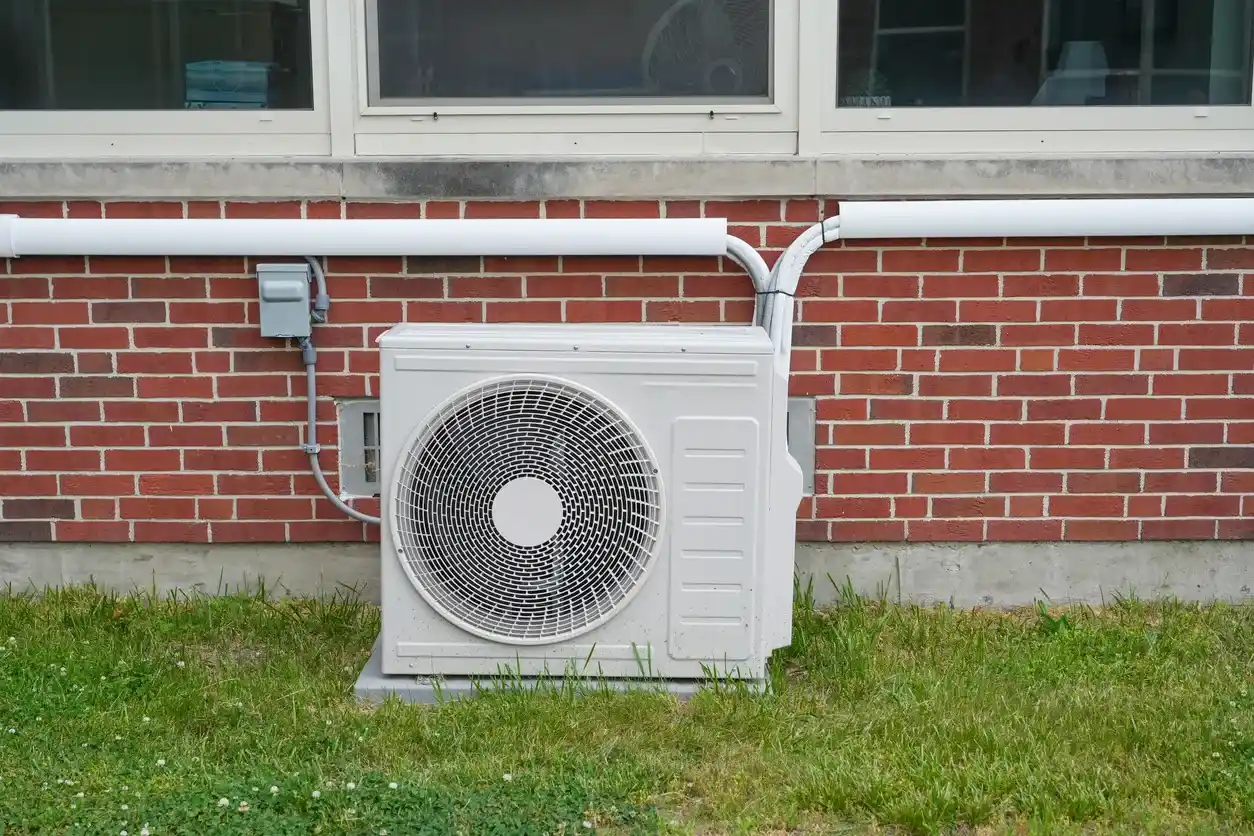
- Outdoor condenser placement emphasizes level mounting, airflow clearance, minimal exposure to driving rain, and secure anchoring on a pad or bracket.
Electrical and refrigerant line installation
- Electric feed sizing follows code requirements for breaker and disconnect; a dedicated circuit is standard.
- Line sets are measured, insulated, and routed with condensate drain installed to an approved disposal point.
- Technicians evacuate the refrigerant lines to the required vacuum level and perform pressure and leak tests before charging.
- Only EPA 608 certified technicians handle refrigerant to meet federal and state requirements.
Permitting and code compliance
- Installations typically require building permits and inspection by Dawson County or the local municipality.
- Work complies with applicable residential mechanical and electrical codes and local ordinances regarding exterior equipment placement.
- Proper documentation and inspection sign-offs are provided as part of the installation process.
Post-installation testing and commissioning
- Technicians verify refrigerant charge, electrical connections, airflow, thermostat controls, and user interfaces.
- Performance tests confirm temperatures, proper defrost cycle operation for heat pump models, and effective dehumidification under load.
- System controls are configured and demonstrated, including zone scheduling and any smart thermostat or WiFi app setup.
Warranty and maintenance handoff
- Manufacturer warranty registration is completed when required; warranty terms and coverage are explained.
- Owners receive an operations walkthrough covering filter care, basic troubleshooting, condensate maintenance, and seasonal use tips.
- A recommended maintenance schedule is provided, typically including annual inspections and coil cleaning for lasting efficiency.
Common problems installers prevent and how
- Oversizing or undersizing: professional load calculations prevent inefficient short cycling or inadequate comfort.
- Line set mistakes: correct length, insulation, and routing preserve efficiency and reduce leak risk.
- Improper condensate routing: properly installed drains and condensate pumps avoid water intrusion and mold risk.
- Electrical faults: correct breaker sizing and disconnects enhance safety and reduce nuisance trips.
- Code non-compliance: permits and inspections avoid fines and ensure safe, durable installations.
Timeline expectations and what affects project length
- Typical single-zone installations in an average Dawsonville room often take 4 to 8 hours from start to finish on site.
- Multi-zone systems or jobs requiring longer refrigerant runs, custom mounting, or structural work can take 1 to 3 days.
- Factors that extend timelines include the need for structural penetrations, trenching or conduit runs for outdoor equipment, routing through tight crawl spaces, and scheduling local inspections.
- Weather, site accessibility, and parts availability also influence completion time.
What affects cost (without pricing details)
While not providing price figures, it is helpful to understand the main factors that influence installation cost:
- Number of zones and indoor units required.
- System efficiency and special features such as dehumidification or advanced control systems.
- Complexity of line set routing and mounting requirements.
- Electrical upgrades needed to meet code or supply a dedicated circuit.
- Permit, inspection, and local compliance needs.
Maintenance and longevity tips for Dawsonville homes
- Replace or clean filters every 1 to 3 months depending on use and indoor air quality.
- Schedule an annual professional check that includes refrigerant pressure verification, coil cleaning, condensate drain clearing, and electrical inspection.
- Keep outdoor units clear of leaves, debris, and vegetation, especially during fall and after storm events.
- Use programmed schedules to reduce runtime during low-occupancy periods while avoiding rapid setpoint changes that stress the inverter compressor.
Final considerations
A properly engineered and permitted Mini Split installation in Dawsonville, GA delivers targeted comfort, strong humidity control, and energy savings that are particularly valuable in this region. Professional installation protects system performance, warranty coverage, and long-term reliability by addressing sizing, placement, electrical, refrigerant handling, and local code requirements from the start. For homeowners seeking efficient, flexible home comfort solutions in the Dawsonville area, understanding this process ensures clear expectations and a durable outcome.
Customer
Testimonials


Service Areas