

Mini Split Service in Canton, GA
.webp)
This page outlines proactive Mini Split service in Canton, GA, covering common local issues, from reduced cooling to ice buildup and leaks, and detailing a full diagnostic process. It explains repair and optimization actions, standard service plans, and recommended maintenance intervals tailored for Canton's climate. It also describes technician qualifications, pricing expectations, scheduling options, and emergency visit procedures, plus practical maintenance tips to extend equipment life and preserve indoor comfort during humid summers and pollen seasons.
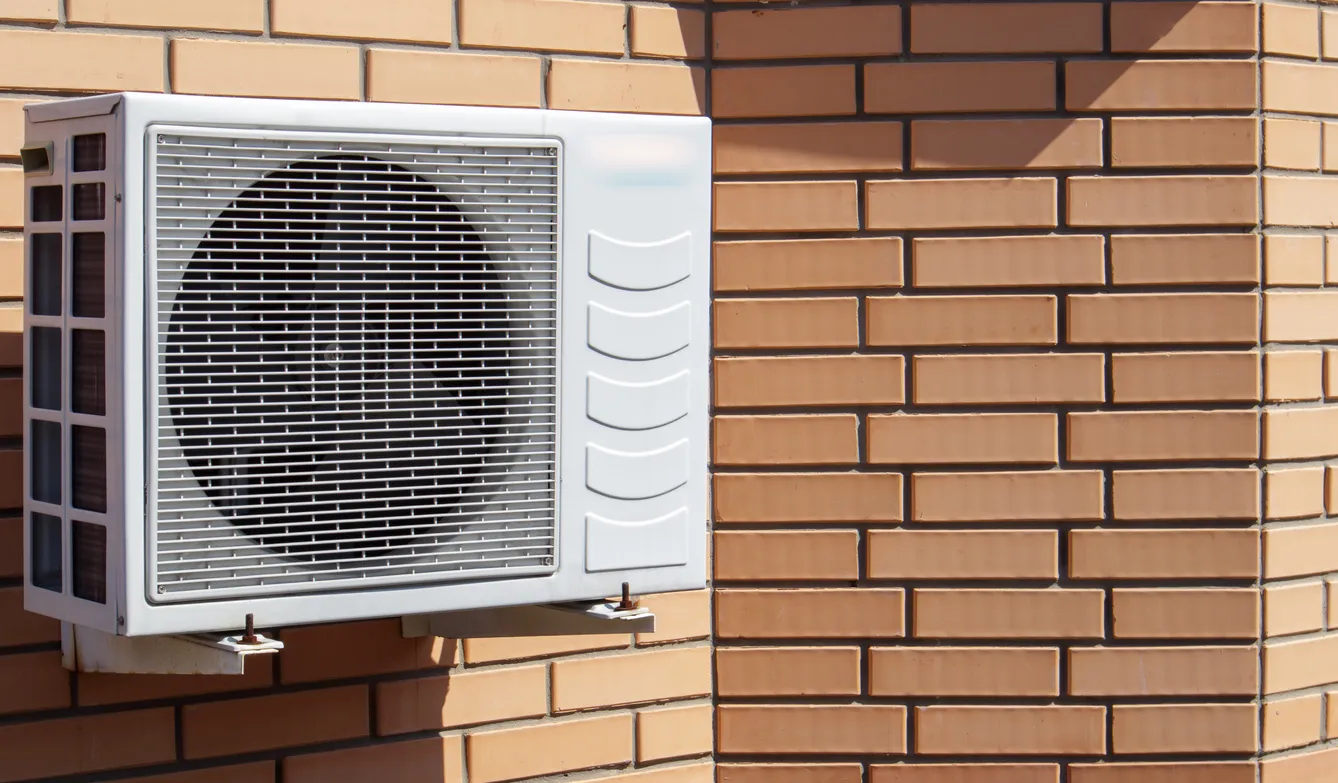
Mini Split Service in Canton, GA
Mini Split Service in Canton, GA keeps ductless heat pump systems running efficiently through Canton’s hot, humid summers and variable shoulder seasons. Proper, timely servicing reduces breakdown risk, preserves efficiency, and maintains indoor comfort and air quality — especially important in Cherokee County where high seasonal pollen and humidity increase strain on condenser coils and filters. This page explains common Mini Split problems in Canton, what a full diagnostic and service includes, available maintenance approaches, technician qualifications, pricing/estimate expectations, and how routine or emergency visits are handled.
Common Mini Split issues in Canton, GA
Homeowners in Canton most frequently report these Mini Split problems, many of which are worsened by local climate and landscaping conditions:
- Reduced cooling or heating capacity — often caused by clogged filters, dirty coils, low refrigerant, or airflow restrictions.
- Short cycling or frequent on/off cycles — can indicate refrigerant imbalance, thermostat faults, or electrical control issues.
- High energy bills despite normal operation — dirty coils, incorrect refrigerant charge, or failing inverter electronics reduce efficiency.
- Ice build-up on the evaporator or outdoor unit — common in improperly charged systems or when defrost controls fail.
- Water leaks and clogged condensate drains — pollen, dust and algae growth in Canton can block drain lines and cause overflow.
- Strange noises or vibration — loose mounts, failing fans, or compressor issues require inspection to prevent larger failures.
- Thermostat or control communication errors — wireless remotes, wall controllers, or Wi-Fi modules can lose sync or need recalibration.
What a complete Mini Split diagnostic includes
A thorough diagnostic identifies root causes and avoids repeated visits. A complete inspection typically covers:
- Visual inspection of indoor and outdoor units, mounting brackets, and refrigerant lines.
- Filter, coil, and air path checks; cleaning or replacement recommendations.
- Refrigerant pressure and temperature split testing to verify proper charge.
- Electrical safety checks: contactor, breakers, wiring, and capacitor tests.
- Thermostat, controller, and Wi‑Fi module verification and calibration.
- Airflow measurement and adjustment for each indoor head to ensure balanced comfort.
- Condensate drain and trap inspection; algae removal and drain clearing if needed.
- Leak detection when pressures indicate potential refrigerant loss; documentation of findings and required repairs.
- Performance optimization steps such as firmware checks, fan speed tuning, and airflow balancing.
Technicians will document symptoms, diagnostic results, and the recommended repairs or adjustments so you understand what’s needed and why.
Repairs and performance optimization explained
Common service actions and why they matter:
- Filter and coil cleaning — restores airflow, improves heat transfer, reduces humidity problems, and helps the compressor run less.
- Refrigerant leak repair and recharge — sealing leaks and charging to manufacturer specs returns system efficiency and prevents long-term compressor damage.
- Electrical repairs and safety fixes — replacing worn wiring, contactors, or capacitors prevents intermittent operation and fire risk.
- Thermostat/controller replacement or recalibration — resolves communication and setpoint accuracy issues.
- Drain clearing and condensate pump service — prevents water damage and microbial growth in indoor spaces.
- Compressor and fan motor replacement — performed when diagnostics show mechanical failure; technicians will compare repair vs replacement costs and life expectancy.
- System optimization — includes correct refrigerant charge, matching indoor head airflow, and setting control logic for efficient dehumidification during Canton’s humid months.
Service plans and recommended service intervals
Because Canton’s climate puts heavier seasonal stress on Mini Splits, consider these service intervals:
- Filter cleaning: every 1–3 months during high-use periods (summer and pollen season).
- Professional inspection and tune-up: at least once annually; twice yearly (spring and fall) for homes with high run-time or older systems.
- Comprehensive diagnostic with refrigerant check: annually, or immediately when performance drops or short cycling occurs.
Typical service plan tiers available for Mini Splits:
- Basic tune-up: annual inspection, filter and coil cleaning, condensate check, and written report.
- Comprehensive maintenance: includes refrigerant pressure check, electrical testing, thermostat calibration, and priority scheduling.
- Priority/coverage plans: scheduled visits, discounted repairs, and after-hours emergency response availability.
These plans are structured to protect efficiency, extend equipment life, and simplify budgeting for routine maintenance.
Technician qualifications and tools
Technicians servicing Mini Splits should hold:
- EPA Section 608 certification for refrigerant handling.
- HVAC trade licenses and factory training on inverter-driven Mini Split systems.
- Experience diagnosing variable-speed compressors, electronic expansion valves, and microprocessor controls.
- Use of professional tools such as digital refrigerant gauges, leak detectors, thermal imaging cameras, clamp meters, and vacuum pumps for evacuation and accurate charging.
Qualified technicians follow safety protocols for electrical isolation and refrigerant recovery and keep documentation for warranty and code compliance.
Pricing and estimates
Mini Split repair and maintenance costs depend on system size, number of indoor heads, diagnostic findings, and parts required. Common cost drivers include refrigerant type and amount, replacement compressor or circuit board costs, and labor for multi-head systems. Expect transparent, written estimates before any major repair, with line-item descriptions (parts, labor, refrigerant) so you can weigh repair versus replacement options.
Scheduling routine and emergency visits
Service providers commonly offer multiple scheduling options for Canton homeowners: routine appointment slots for seasonal tune-ups, and expedited or after-hours response for emergency issues such as total loss of cooling during extreme heat, refrigerant leaks, or electrical burning smells. Emergency visits focus on safety (power isolation) and temporary measures to restore operation when possible, followed by a full diagnostic and permanent repair plan.
Maintenance tips and benefits for Canton homes
Regular service delivers clear benefits: lower energy bills, fewer emergency repairs, longer equipment life, and better indoor air quality during pollen-heavy periods. Practical homeowner steps between professional visits:
- Clean or replace filters monthly during heavy use.
- Keep the outdoor unit clear of leaves, pollen, and mulch by keeping 2–3 feet of clearance.
- Monitor for reduced airflow, unusual noises, or water near indoor units and arrange for inspection if noticed.
- Run the system on “dry” mode briefly during high humidity to reduce condensate build-up.
Consistent, professional Mini Split service in Canton, GA protects comfort and investment while adapting to local climate stresses and usage patterns. Regular diagnostics, timely repairs, and proper optimization keep ductless systems efficient and dependable year-round.
Customer
Testimonials


Service Areas