

Mini-split Installation in Canton, GA
.webp)
Mini Split installation in Canton, GA includes on-site load calculations, equipment selection, permitting, installation, testing, and system handoff. Homeowners learn to size units for high humidity, choose single- or multi-zone setups, plan indoor and outdoor placement, and manage electrical and refrigerant requirements. The process covers commissioning, efficiency expectations, and warranty maintenance, providing reliable, energy-efficient comfort. Practical checklists, timelines, and best practices help homeowners plan and execute installations confidently.
Mini-split Installation in Canton, GA
Installing a ductless Mini Split in Canton, GA is a practical, high-value upgrade for homes that need efficient cooling and targeted heating without major ductwork. Canton’s hot, humid summers and older housing stock make Mini Splits an especially relevant option for bedroom additions, retrofits, and rooms that struggle with airflow from existing systems. This page covers the full new Mini Split installation process, common issues for Canton homes, equipment selection, permitting, step-by-step timeline, testing, efficiency expectations, and the warranty and maintenance handoff you should expect.
Why a mini-split is a strong choice for Canton, GA homes
- High humidity and prolonged cooling seasons increase the importance of efficient, sized equipment that controls both temperature and humidity.
- Many Canton homes have limited or no ductwork, tight exterior walls, or attic space that makes ducted retrofits costly.
- Mini Splits provide room-by-room zoning to avoid overcooling spaces and reduce energy waste.
- Modern mini-splits offer strong dehumidification performance and quiet operation suited for bedrooms and home offices.
Common mini-split installation issues in Canton, GA
- Improper sizing due to failing to account for high humidity and solar heat gain on south and west exposures.
- Poor condensate management in humid climates, leading to drip or mildew if drains are not sloped and protected.
- Long or poorly insulated refrigerant line runs that reduce efficiency and increase risk of frosting.
- Electrical supply not sized or protected correctly for the outdoor condensing unit.
- Permitting and code missteps if local requirements for mechanical, electrical, or refrigerant handling are not followed.
On-site assessment and load calculations
A reliable installation begins with an on-site assessment that includes:
- Room-by-room Manual J load calculations to size the unit(s) correctly for Canton’s climate and each room’s exposure, insulation, windows, and occupancy.
- Inspection of potential indoor unit locations for airflow, noise concerns, and clearance.
- Evaluation of outdoor unit placement for airflow, shading, noise impact on neighbors, and elevation relative to grading and drainage.
- Review of electrical service capacity and proposed breaker and disconnect locations.
- Determination of refrigerant line routing that minimizes length, avoids excessive bends, and protects against freezing or moisture intrusion.
Accurate load calculations prevent common problems like short cycling, insufficient humidity control, and premature wear from oversized equipment.
Equipment selection: single-zone vs multi-zone
- Single-zone Mini Splits are ideal for cooling or heating one defined space such as a bedroom, garage conversion, or sunroom. They are simpler to install and typically less expensive.
- Multi-zone systems connect several indoor heads to one outdoor condensing unit, offering centralized outdoor footprint and control over multiple rooms. Multi-zone is preferred when several adjacent rooms or an open plan need coordinated climate control.
Choice depends on floorplan, zoning goals, and electrical/space constraints identified during the assessment.
Placement of indoor and outdoor units
Indoor unit placement considerations:
- Mount high on an interior wall for even air distribution and efficient dehumidification. Avoid installing directly over beds or desks where airflow could be disruptive.
- Keep clearance from curtains, cabinets, and heat sources. Ensure easy access for filter cleaning and maintenance.
Outdoor unit placement considerations:
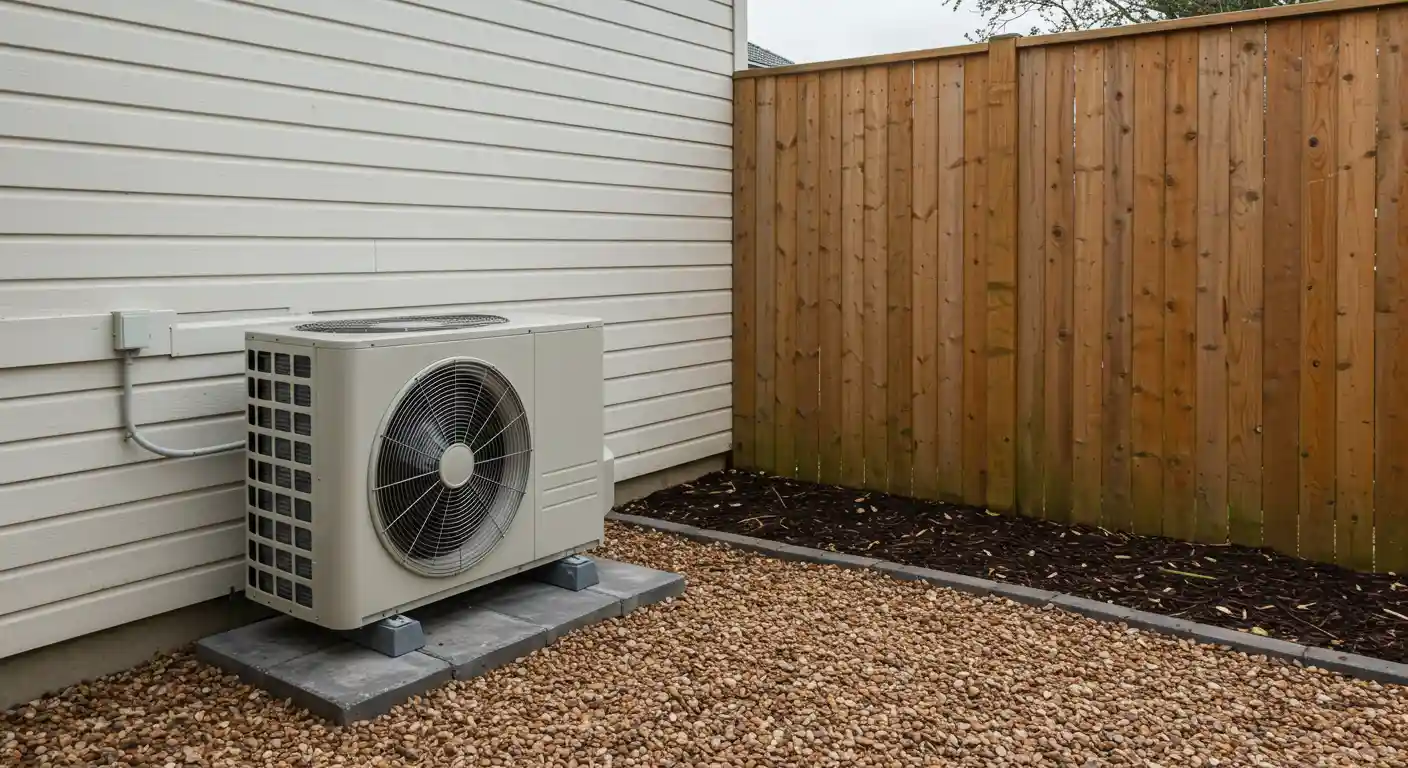
- Place on a level concrete pad or vibration-isolating bracket above typical flood or runoff levels.
- Allow 24 inches or more of clearance around the condenser for airflow and service access.
- Locate away from bedroom windows where possible to minimize perceived noise. Shield with lattice or landscaping when allowed by code and HOA rules.
Refrigerant line and electrical work
- Refrigerant line sets should be routed with minimal bends, insulated with closed-cell insulation, and protected where they pass through walls. Proper slope prevents oil or liquid trapping.
- Install a dedicated electrical circuit with correct breaker size and wire gauge. Include an outdoor disconnect within sight of the unit per code requirements.
- Pressure testing and evacuation using a deep vacuum are performed to remove moisture and ensure system integrity before charging with refrigerant. Only certified technicians should handle refrigerant.
Permitting and code compliance
- Installations in Canton require adherence to local building codes and mechanical and electrical regulations. Permits are typically required for new HVAC equipment and electrical work.
- Compliance includes correct equipment anchoring, electrical protection, refrigerant handling certifications, and adherence to ventilation and drainage rules.
- Proper permitting avoids costly rework, inspection failures, and potential safety issues.
Typical step-by-step installation timeline
- Day 0: On-site assessment and load calculations, equipment selection finalized.
- Days 1 to 7 (permit period): Permit submission and approval timeline varies with local office workloads.
- Installation day(s):
- Site preparation and mounting of outdoor pad or bracket.
- Indoor unit mounting and routing of line set, condensate drain, and low-voltage wiring.
- Outdoor unit hookup, electrical connection, and evacuation. Typical single-zone installs often complete in one day; multi-zone or complex retrofits may take 1 to 3 days.
- Commissioning and testing following installation.
Timelines depend on permit turnaround, number of indoor heads, and complexity of routing.
Post-installation testing and commissioning
Post-install checks confirm safe, efficient operation:
- Leak check and pressure verification on refrigerant lines.
- Deep vacuum evacuation to remove moisture, followed by correct refrigerant charge.
- Electrical testing of breakers, disconnects, and control wiring.
- Airflow and temperature split testing to verify rated performance and proper airflow across the evaporator.
- Condensate flow check and pump function if installed.
- Noise and vibration inspection at indoor and outdoor locations.
Technicians should provide a written checklist or commissioning report documenting these tests.
Efficiency expectations and performance
- Modern Mini Splits deliver high seasonal efficiencies and provide effective dehumidification in Canton’s humid summers. This typically translates to improved comfort and reduced running time compared to window units or inefficient space heaters.
- Proper sizing, correct refrigerant charge, and well-insulated line sets are critical to achieving manufacturer efficiency ratings and expected performance.
- Energy savings and comfort will be maximized with appropriate setpoints, zoned usage, and routine maintenance.
Warranty and maintenance handoff
After installation you should receive:
- Manufacturer warranty documentation for compressors, parts, and sometimes labor coverage. Check terms for duration and requirements.
- Written maintenance recommendations and a schedule including filter cleaning or replacement every 1 to 3 months, outdoor coil clearing, condensate drain inspection, and annual system inspection by a certified technician.
- Copy of permits, final inspection approvals, and the commissioning report for your records.
Regular maintenance preserves warranty validity, maintains efficiency, and extends equipment life.
A properly planned and executed Mini Split installation in Canton, GA addresses both the heat and humidity challenges of the region while offering flexible zoning and lower-impact retrofits for older homes. Prioritize accurate load calculations, correct placement and electrical work, permit compliance, and thorough commissioning to ensure reliable, efficient performance and long-term satisfaction.
Customer
Testimonials


Service Areas