
Mini-split Repair in Canton, GA
.webp)
Mini Split repair in Canton, GA delivers rapid diagnostics, durable fixes, and transparent timelines for ductless heat pump systems in Cherokee County homes. Technicians assess symptoms, locate refrigerant leaks, replace faulty parts, and verify performance through full cooling and heating tests. The service emphasizes preventive maintenance, post-repair documentation, and warranty considerations, with emergency options and priority scheduling for critical zones. Homeowners learn what to expect during diagnostics, parts replacement, and timing, and how to schedule a Canton repair.
Mini-split Repair in Canton, GA
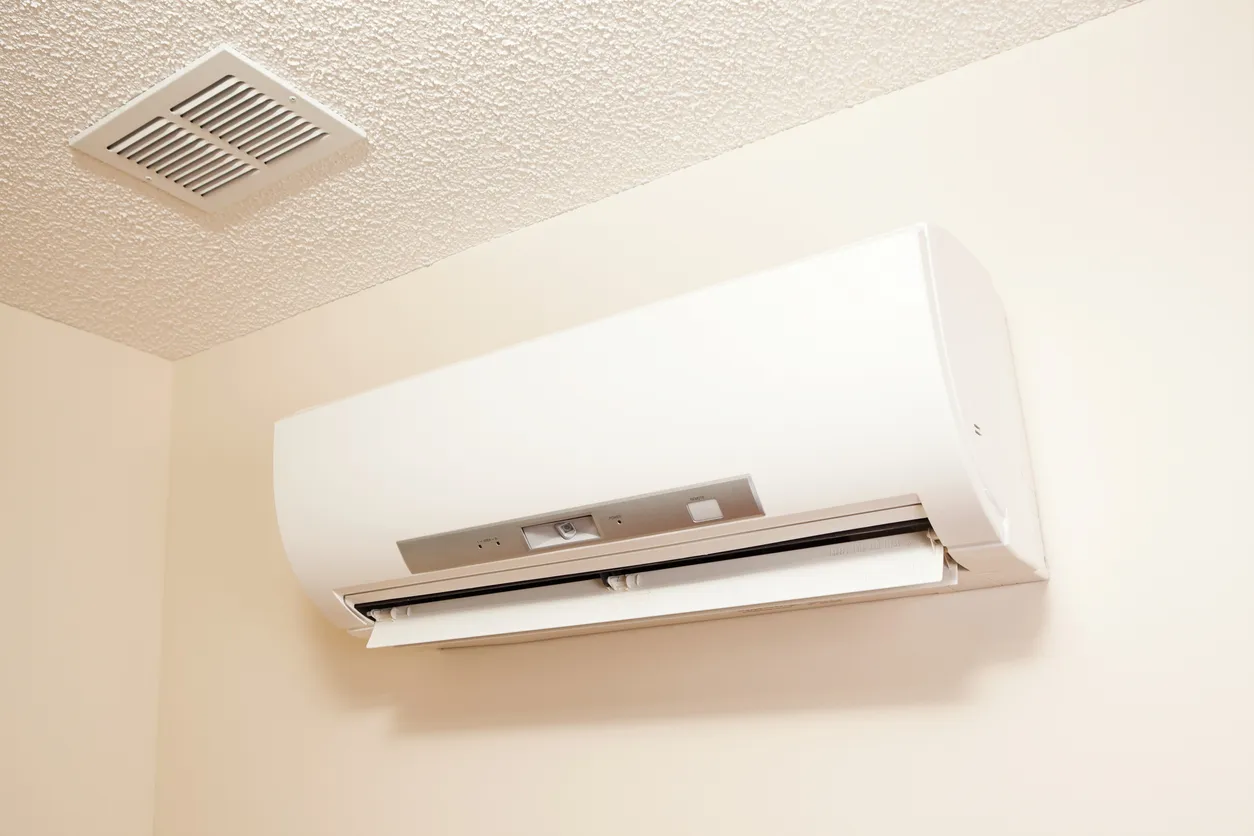
Mini Split Repair in Canton, GA focuses on fast, reliable diagnosis and durable fixes for ductless heat pump systems used in homes across Cherokee County. Canton’s hot, humid summers and occasional cool winters put consistent demand on Mini Splits; untreated issues quickly reduce comfort, raise energy use, and risk more costly component failures. This page explains symptom-based diagnostics, common failures, refrigerant leak detection and repair, parts replacement, expected repair timelines, emergency/priority response options, warranty handling, and the typical steps homeowners follow to schedule a repair — with specifics relevant to Canton homes.
Why timely mini-split repair matters in Canton, GA
- High summer humidity increases coil contamination, airflow problems, and corrosion risk, which accelerates failures.
- Many Canton homes rely on Mini Splits for zoned cooling and heating; a single malfunction can leave a living area unusable.
- Prompt repair preserves efficiency and often prevents compressor or control-board replacements that are far more expensive.
Common mini-split symptoms and what they usually indicate
If your system displays any of the following, these symptom-to-cause connections are commonly seen in Canton homes:
- Weak cooling or heating airflow: often caused by dirty filters, blocked indoor/outdoor units, failing fan motors, or low refrigerant.
- Short cycling (system turns on and off quickly): could be a faulty thermostat/remote control, refrigerant imbalance, or failing control board.
- Ice on the indoor coil: commonly caused by low refrigerant levels, sluggish airflow, or malfunctioning expansion devices.
- Humming, grinding, or rattling noises: fan motor or compressor issues, loose mounts, or debris in the outdoor unit.
- Warm air from outdoor unit during cooling calls: possible compressor failure or severe refrigerant leak.
- Frequent tripping of breakers: electrical faults, failing capacitors, or motors drawing excessive current.
Common mini-split component failures
Understanding typical component problems helps set realistic expectations for repair scope and durability:
- Compressor problems: the heart of the outdoor unit; symptoms include loss of cooling, loud noises, or a system that won’t start. Compressor replacement is the most significant repair task.
- Fan motor failure (indoor or outdoor): causes poor airflow and higher indoor temperatures; often replaced rather than repaired.
- Capacitors and relays: wear out over time and can prevent fans or compressors from starting. These are common and relatively quick fixes.
- Control boards and sensors: electronic failures cause erratic behavior, error codes, or total loss of function. Diagnosis often requires specialized testing equipment.
- Metering devices and valves: improper refrigerant flow leads to poor performance and may require component replacement or recalibration.
- Refrigerant leaks and damaged lines: reduce efficiency and performance and can damage the compressor if left unrepaired.
Symptom-based diagnostic process
A structured diagnostic approach helps identify root causes without unnecessary replacement:
- Visual inspection: indoor and outdoor units, line sets, filters, drain lines, and electrical connections.
- Error code analysis: reading control board codes and remote unit diagnostics.
- Airflow and temperatures: measuring supply and return air temps and checking fan operation.
- Electrical testing: motor current, voltages, capacitor values, and control signals.
- Refrigerant testing: pressure checks to determine charge status and locate potential leaks.
- Leak detection: using electronic detectors, bubble tests, and UV dye when necessary.
Technicians tailor diagnostics for Canton homes by checking for corrosion from humidity, insect or rodent damage in outdoor condensers, and any attic or outdoor shading that affects unit performance.
Refrigerant leak detection and repair
Detecting and repairing refrigerant leaks is a multi-step task with safety and regulatory requirements:
- Leak localization: technicians use electronic leak detectors, UV dye injection, or pressure testing to find leaks in line sets, fittings, or coils.
- Repair methods: small leaks in serviceable locations may be brazed or sealed; extensive coil damage can necessitate coil replacement or reclaiming the refrigerant and replacing the affected component.
- Recharge and testing: after a successful repair, the system is evacuated and recharged to the correct factory-specified charge, then monitored for stability.
- Compliance: refrigerant handling follows EPA guidelines; proper recovery, recycling, or reclaiming is included in repair procedures.
Parts replacement and what to expect
- OEM vs aftermarket parts: OEM parts match factory specifications and warranty transfers but may have longer lead times; quality aftermarket parts can be acceptable for certain components.
- Commonly replaced parts: capacitors, fan motors, control boards, expansion devices, and occasionally indoor or outdoor coils.
- Labor considerations: outdoor compressor or coil replacements often require two technicians and specialized equipment (vacuum pumps, recovery machines).
- Post-repair verification: systems are tested through a full cooling/heating cycle, leak-checked, and performance-verified against factory standards.
Expected repair timelines
Repair timelines vary by issue and parts availability. Typical timelines for Canton homes:
- Minor repairs (filters, capacitor, fan motor): often completed within a single service visit.
- Moderate repairs (control boards, refrigerant top-up after leak repair, valve replacement): may require a day or scheduled follow-up for parts.
- Major repairs (compressor or coil replacement, recover and replace refrigerant): can take multiple days depending on part sourcing and system complexity.
Timeline factors include part availability, system accessibility (attic or tight outdoor locations common in Canton neighborhoods), and local permitting or disposal requirements for refrigerants and major components.
Cost factors (no specific prices)
Repair cost depends on:
- Component type and whether it’s repairable or must be replaced.
- Labor complexity and whether two technicians or specialized equipment are required.
- Refrigerant type and the volume needed if a recharge is necessary.
- Warranty coverage or extended service plans that shift responsibility for parts and labor.
- Accessibility and time required for diagnostics and post-repair testing.
Emergency and priority response options
Mini Split failures during extreme Canton heat or cold present health and comfort risks. Emergency or priority response options typically include:
- After-hours diagnostic visits for systems that have failed completely.
- Priority scheduling for homes with vulnerable occupants or critical zones (nurseries, elderly care).
- Temporary cooling or heating solutions while major components are sourced and installed.
Availability of priority response can depend on technician schedules and parts on hand; documentation of system model and symptoms expedites response.
Warranty handling and documentation
Handling warranties efficiently helps reduce out-of-pocket costs:
- Gather system documentation: model and serial numbers, original installation date, and any previous service records commonly found on indoor unit labels or installation paperwork.
- OEM warranty verification: technicians review parts eligibility and warranty terms before performing covered repairs.
- Extended service plans: many plans require specific maintenance history to validate claims; technicians typically document pre-repair inspections and maintenance to support coverage.
- Record keeping: a clear service report noting diagnostics, parts used, and testing results helps with future claims and resale value.
How homeowners typically schedule a mini-split repair
The typical repair scheduling and service flow for Canton homeowners:
- Describe symptoms and system details (model, error codes, when problem started).
- Pre-visit checklist: clear access to indoor/outdoor units, ensure power is accessible, and note any recent home changes (new windows, insulation, or electrical work).
- Diagnostic visit: technician performs inspections and provides a scope of needed repairs and expected timeline.
- Repair visit(s): parts installed, system reclaimed/charged if needed, and full performance testing performed.
- Post-repair documentation: service report that lists work performed, parts installed, and any warranty notes.
Preventive tips and final benefits
- Regular filter and coil cleaning, seasonal inspections, and timely refrigerant checks reduce the chance of summer failures in Canton’s humid climate.
- Prompt repairs preserve system efficiency, extend equipment life, and maintain consistent comfort in zoned living spaces.
- Properly documented repairs and maintenance help protect warranty coverage and resale value for Canton properties.
Customer
Testimonials


Service Areas