

Mini Split Replacement in Roswell, GA
.webp)
Mini Split replacement in Roswell, GA helps homeowners determine the right time to upgrade and choose an energy-efficient model suited to their needs. Key factors such as proper sizing, efficiency ratings, refrigerant types, and smart controls are explained for their impact on comfort and operating costs. The replacement process is outlined from initial assessment through professional removal, installation, and commissioning, with maintenance tips to sustain long-term performance. Local considerations include permitting, corrosion risks, and climate impacts, while guidance on timing, warranties, and reliability ensures lasting value for Roswell homes.
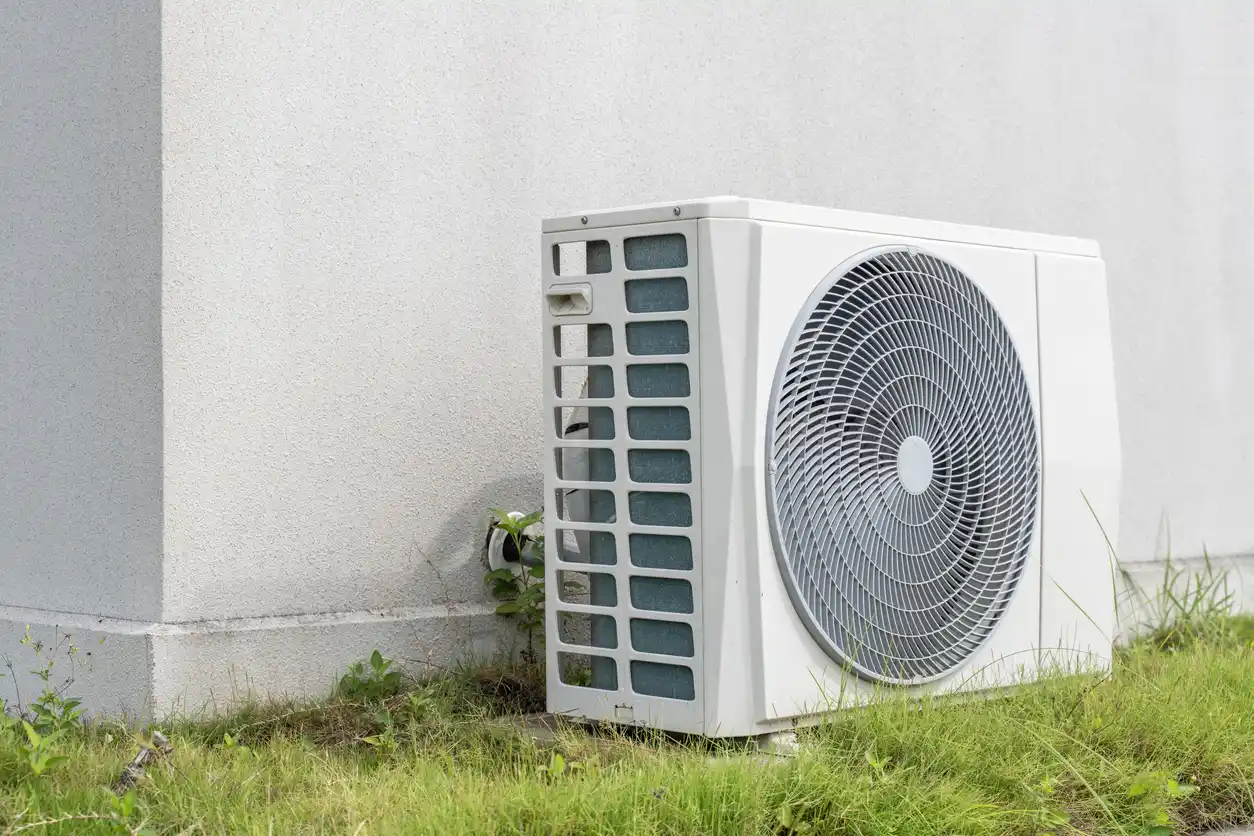
Mini Split Replacement in Roswell, GA
Replacing a worn or failing Mini Split in Roswell, GA is often the best path to restore comfort, reduce energy bills, and avoid recurring repairs. Roswell homes face long, humid summers and occasional mild winters, conditions that put continuous strain on cooling systems. This page explains when to consider Mini Split replacement, how to choose the right energy-efficient replacement, and what a professional removal and installation should include — all in language geared to homeowners ready to make a decision.
Why replace a Mini Split
Mini Splits can last many years, but replacement becomes the right move when the unit no longer delivers reliable comfort or efficient operation. Common scenarios that indicate replacement is preferable to repair include:
- Frequent breakdowns or compressor failures that disrupt comfort.
- Diminishing cooling or heating capacity despite service and refrigerant checks.
- Rising energy use and monthly bills even after tuneups.
- Refrigerant type issues: older units that use phased-out refrigerants may be costly to recharge or repair.
- Noisy operation, excessive vibration, or multiple failing components.
- Age and part availability: many Mini Splits over 10 to 15 years old face parts scarcity and declining efficiency.
For Roswell’s humid summers, a replacement unit that restores proper dehumidification and consistent airflow will often have an immediate positive impact on comfort and indoor air quality.
Common Mini Split problems in Roswell homes
- Undersized system for added insulation, home expansions, or changed living patterns.
- Poor dehumidification during prolonged hot, humid periods.
- Leaking refrigerant from old line sets or connections.
- Corrosion or deterioration of outdoor condenser in coastal-adjacent humidity.
- Electrical wear that causes frequent tripping or unreliable operation.
Recognizing these patterns helps homeowners choose replacement rather than repeated repairs.
Selecting the right energy-efficient model
Choosing a new Mini Split is more than picking a brand. Key selection factors to consider:
- Proper sizing: a professional cooling load assessment (often called a load calculation) matches capacity to your home’s square footage, insulation, window area, and occupancy. Oversizing can cause short cycling and poor dehumidification; undersizing leads to constant strain.
- Efficiency ratings: look for high SEER and HSPF ratings for lower running costs. Inverter-driven, variable speed compressors offer superior efficiency and steadier indoor temperatures.
- Refrigerant type: modern units use environmentally friendlier refrigerants. Replacing older R22 systems with current refrigerants improves long-term serviceability.
- Multi-zone versus single-zone: multi-zone systems let you control temperature in separate rooms, which is useful for finished basements, home offices, or additions in Roswell homes.
- Noise and aesthetics: low-noise indoor heads and compact outdoor units matter for bedrooms and neighborhood courtyards.
- Smart controls and connectivity: Wi Fi-enabled thermostats and zone controls improve convenience and can drive savings through smarter setpoint schedules.
Professional replacement process — what to expect
A professional Mini Split replacement should be methodical and code-compliant. Typical stages include:
- Initial inspection and evaluation
- Visual inspection of existing units, line sets, electrical supply, and mounting points.
- Accurate load calculation to determine capacity and zoning needs.
- Assessment of existing line length and condition; verification of electrical panel capacity and breaker sizing.
- Permitting and code considerations
- Confirm local permit requirements and adhere to Georgia and City of Roswell codes for HVAC work and refrigerant handling.
- Address HOA rules if your property has exterior visibility limits or placement restrictions.
- Safe refrigerant recovery and removal
- Reclaim any remaining refrigerant using EPA-compliant procedures.
- Remove indoor and outdoor units, line sets, and disconnect electrical safely while minimizing disruption.
- Installation of the new system
- Mount indoor heads at optimized locations for balanced airflow and comfort.
- Install the outdoor condenser on a stable pad or bracket that resists flooding and standing water.
- Run new line sets and electrical per manufacturer specifications and local code.
- Evacuate the system to remove moisture and air, pressure test for leaks, then charge with the correct refrigerant.
- Start-up and commissioning
- Program controllers and perform system balancing.
- Test airflow, temperature differentials, dehumidification performance, and noise levels.
- Provide a walk-through on operation, basic maintenance tasks, and filter care.
Benefits of timely replacement
- Lower energy usage and more predictable utility costs with a high-efficiency unit.
- Improved humidity control and cooler, more consistent comfort during Roswell summers.
- Quieter operation and enhanced indoor air quality with modern filtration options.
- Reduced risk of sudden failures and costly emergency service calls.
- Compliance with current refrigerant and efficiency standards, protecting long-term serviceability.
Maintenance tips after replacement
A new Mini Split performs best with routine care:
- Clean or replace filters every 1 to 3 months depending on use and indoor air quality.
- Keep the outdoor unit free of leaves, mulch, and debris; ensure 12 to 24 inches of clearance for airflow.
- Inspect condensate drain lines periodically to prevent blockages and water damage.
- Schedule annual professional maintenance to check refrigerant levels, electrical connections, and overall performance.
- Use sensible setpoints and programmable schedules to balance comfort with efficiency in a humid climate.
Local considerations for Roswell, GA
Roswell’s long hot and humid summers make efficient cooling and dehumidification a priority. Proper system sizing and good airflow are essential to avoid short cycling and poor moisture control. Outdoor units should be sited to avoid direct exposure to irrigated landscaping that can accelerate corrosion. Additionally, check neighborhood guidelines and City of Roswell permitting rules before installation, particularly for visible exterior equipment.
Replacing a Mini Split in Roswell, GA is an investment in comfort and energy savings. With the right sizing, modern inverter technology, and professional removal and installation that follows code, homeowners will regain reliable temperature control and better indoor air quality for years to come.
Customer
Testimonials


Service Areas