

Mini Split Installation in Roswell, GA
.webp)
Mini Split installation in Roswell, GA delivers room-by-room cooling and heating with ductless efficiency, preserving historic architecture while reducing energy waste. The page outlines on-site load calculations, equipment selection, and multi-zone vs single-zone options, followed by mounting, refrigerant line routing, electrical and permit requirements, and a realistic timeline. It covers post-installation testing, energy rebates, maintenance, and warranty guidance, emphasizing professional, code-compliant installation and proactive maintenance to ensure reliable performance in Roswell's climate. Designed to help homeowners choose the right system and stay informed.
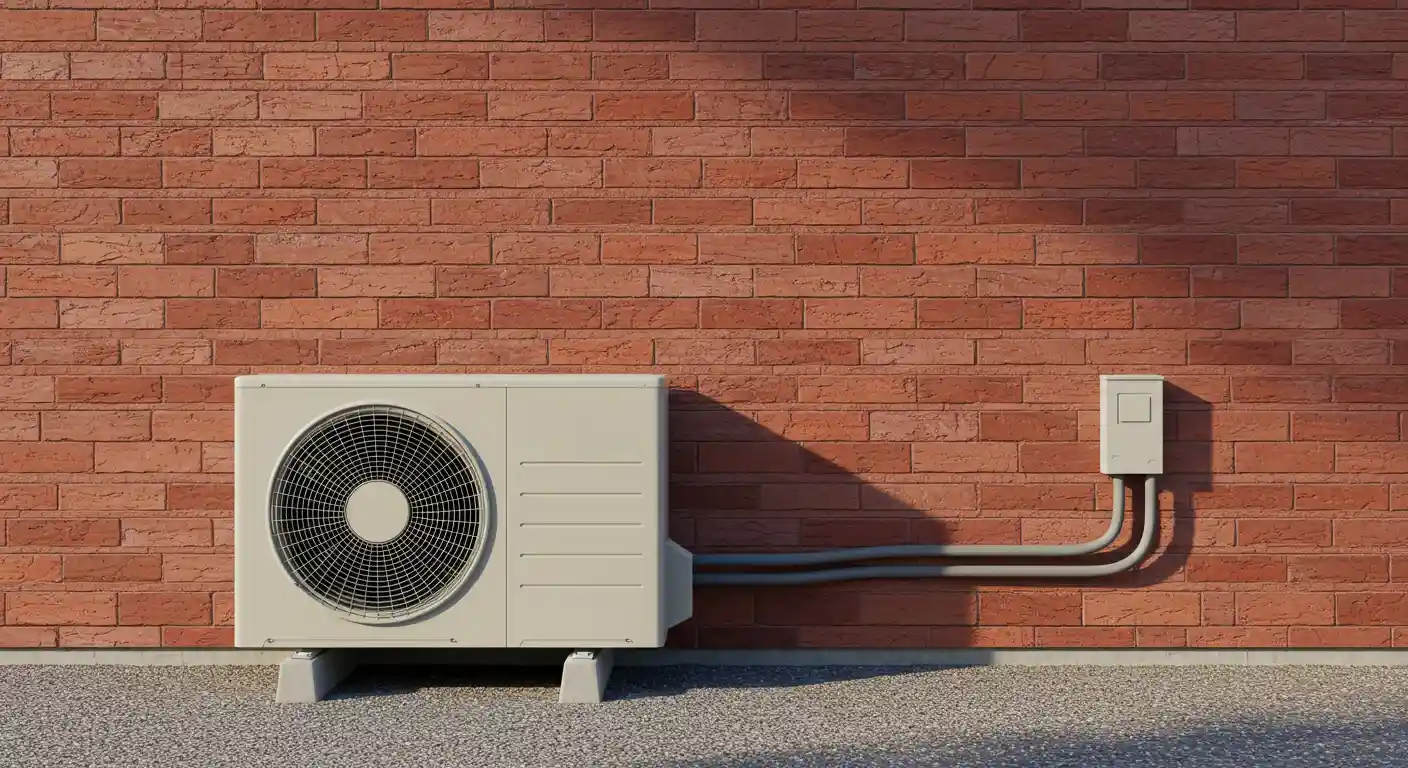
Mini Split Installation in Roswell, GA
Mini Split installation in Roswell, GA provides an efficient, flexible alternative to central air for homes that need room-by-room temperature control, improved humidity management, and minimal disruption to historic or retrofit properties. In Roswell’s hot, humid summers and milder winters, a properly sized ductless mini-split heat pump can deliver year-round comfort while reducing energy waste from overcooling, duct losses, or poorly zoned systems.
Why choose a Mini Split for Roswell homes
- Better humidity control during long, humid summers.
- Zoned comfort for older homes and additions where installing ducts is impractical.
- Quiet indoor operation suitable for bedrooms and home offices.
- Higher seasonal efficiency than many packaged or window units when sized and installed correctly.
Common Mini Split installation needs and issues in Roswell, GA
- Retrofit projects in historic Roswell neighborhoods where preserving exterior and interior aesthetics matters.
- Multi-zone solutions for additions, attics converted to living space, or finishing basements.
- Replacing inefficient window units or baseboard electric heat to lower operating costs.
- Condensate drainage problems in high-humidity months resulting in overflow or mold risk when drain lines are poorly routed.
- Improperly sized systems that short-cycle, reduce comfort, and increase energy use.
Site assessment and load calculations
A successful installation starts with a detailed on-site assessment and accurate load calculation:
- Room-by-room Manual J load calculations account for Roswell-specific factors: local cooling degree days, insulation levels, window orientation, and air infiltration common in older homes.
- Assess placement options for indoor heads (wall-mounted, ceiling cassette, ducted concealed, or floor-mounted) based on room use, aesthetics, and structural constraints.
- Evaluate outdoor unit location for airflow, noise, and neighbor considerations while complying with City of Roswell and Fulton County setback rules.
System and indoor/outdoor unit selection
Selecting the right system balances capacity, efficiency, and features:
- Choose equipment with appropriate cooling/heating capacities and inverter-driven compressors for variable speed performance.
- Compare SEER and HSPF ratings to prioritize energy savings in Roswell’s climate.
- Consider multi-zone systems for whole-home comfort or single-zone systems for targeted rooms.
- Indoor head styles: low-profile wall units for living rooms, cassettes for vaulted ceilings, concealed ducted units for historic interiors, or floor units for basements.
Mounting, refrigerant-line installation, and penetrations
Professional installation protects performance and home integrity:
- Indoor units mount on reinforced wall plates or in ceilings; placement optimizes airflow while avoiding drafts on occupants.
- Refrigerant line sets and condensate drains are routed through discreet 2-3 inch wall or ceiling penetrations and sealed to prevent air and moisture intrusion.
- Proper insulation of line sets minimizes sweating and energy loss; line length and elevation changes are planned to maintain adequate refrigerant charge and oil return.
Electrical and permit considerations in Roswell, GA
Compliance with local codes and electrical requirements is essential:
- Most mini-splits require a dedicated circuit and a disconnect at the outdoor unit; breaker size and wiring depend on the manufacturer’s nameplate.
- Installers should secure necessary permits from the City of Roswell Building Department and follow Fulton County and Georgia state electrical and HVAC codes.
- Licensed electricians and HVAC technicians ensure safe wiring, grounding, and compliance with inspection requirements.
Timeline and delivery expectations
Typical installation timelines vary by project scope:
- Single-zone installations often complete in one day (3-8 hours) when site conditions are straightforward.
- Multi-zone systems or installations requiring structural work, concealed ducting, or complex penetrations typically take 1-3 days.
- Allow extra time for equipment lead times during peak seasons and for scheduling municipal inspections after permitting.
Post-installation testing and commissioning
Thorough testing confirms function and efficiency:
- Evacuate and vacuum refrigerant lines to remove moisture and ensure a proper vacuum level before charging.
- Perform leak checks, measure system superheat/subcooling, and verify airflow and temperature differentials in each zone.
- Test condensate drainage under operating conditions and verify controls, remote thermostats, and any integrated Wi-Fi or zoning features.
- Provide a walkthrough on basic operation, filter care, and how to interpret system indicators.
Energy-efficient options and available rebates
Energy-focused choices matter in Roswell’s climate:
- High-SEER inverter mini-splits and heat pump models deliver better efficiency and dehumidification during hot months.
- Variable-speed compressors and smart zoning reduce runtime and balance comfort with lower energy bills.
- Homeowners may qualify for local utility incentives, state or federal energy efficiency programs, and manufacturer promotions; verify current rebate and tax credit availability through local utilities and official program administrators.
Warranty, maintenance recommendations, and longevity
Ongoing care preserves performance and warranty coverage:
- Confirm manufacturer warranty terms for indoor heads, outdoor units, and compressors; ask about extended warranty options for parts and labor.
- Routine maintenance: clean or replace filters every 1-3 months depending on use and indoor air quality, inspect and clear outdoor unit debris seasonally, and flush condensate drains to prevent clogs.
- Annual professional tune-ups are recommended: check refrigerant levels, test electrical components, inspect line insulation, and verify thermostat calibration.
- Promptly address refrigerant leaks or unusual noises to avoid compressor damage and efficiency loss.
Final considerations for Roswell homeowners
A properly designed and installed Mini Split system provides targeted comfort, improved humidity control, and energy savings for Roswell homes—especially in historic neighborhoods and retrofit situations where traditional ductwork is not feasible. Prioritizing accurate load calculations, proper line installation, electrical compliance, and scheduled maintenance ensures reliable performance through Roswell’s hot summers and transitional seasons. When evaluating options, focus on matched system components, professional installation to local code, and energy-efficient models that align with available incentives to maximize long-term value and comfort.
Customer
Testimonials


Service Areas